Boat Tours in Los Haitises National Park: Routes, Mangroves & Caves

Boat Tours in Los Haitises National Park: Mangrove Routes, Caves and Visitor Experiences
A boat tour is one of the most memorable ways to explore Los Haitises National Park in the Dominican Republic. Instead of viewing the landscape from a road or a distant viewpoint, visitors travel through waterways surrounded by mangroves, limestone formations, tropical vegetation and natural habitats.
The experience is about much more than taking a boat ride. Depending on the route and current park conditions, an excursion may include mangrove channels, views of rocky islets, birdwatching opportunities, visits to authorized caves and explanations from a local guide.
However, not every tour follows the same itinerary. Departure points, travel time, stops, included services and cave access can differ between operators. Understanding these differences before booking helps you choose an excursion that matches your interests.
This guide explains what to expect from boat tours in Los Haitises National Park, what to ask before reserving and how to enjoy the park responsibly.
1. Why Explore Los Haitises by Boat?
Los Haitises has a distinctive coastal landscape that is best appreciated from the water. Its waterways connect mangrove forests, sheltered bays, small islands and limestone formations known locally as mogotes.
The official Dominican Republic tourism guide highlights boat trips as a way to see the park's rock formations, mangroves, bird colonies and caves. It also identifies kayaking and rainforest exploration as other ways to experience the protected area.
A boat journey allows visitors to see several parts of this natural environment without needing to walk long distances through the forest.
During the excursion, you may experience:
- Narrow waterways bordered by mangrove roots
- Open views across the park's coastal landscape
- Limestone hills and rocky formations rising above the water
- Bird habitats around the cays and mangroves
- Authorized stops for nature interpretation or cave visits
- Opportunities to learn about the park from a guide
The exact experience depends on the route selected and the conditions on the day.
2. Traveling Through the Mangrove Channels
Mangroves are among the most recognizable natural features of Los Haitises. Their tangled roots create sheltered coastal habitats and help support a variety of aquatic and terrestrial life.
As the boat moves through a mangrove channel, the scenery can feel very different from the open bay. Vegetation grows close to the water, roots extend into the channel and the route may become narrower as the boat travels deeper into the mangrove environment.
This part of the journey is especially interesting for visitors who want to understand the park's coastal ecosystems.
What can you see in the mangroves?
Depending on the location and season, visitors may notice:
- Mangrove roots extending into the water
- Small fish and other aquatic life
- Birds resting or feeding near the shoreline
- Crabs and other animals in suitable habitats
- Different patterns of vegetation along the channels
Wildlife sightings are never guaranteed. Animals may move away, remain hidden or be less active during a particular visit.
A good guide can explain why mangroves matter, how their roots provide habitat and how these coastal forests contribute to the wider ecosystem.
Why are mangroves important?
Mangroves provide shelter and nursery habitat for many aquatic organisms. Their root systems also help stabilize coastal sediments and contribute to the health of coastal environments.
For visitors, the most important point is that mangroves are living habitats, not simply attractive scenery. Avoid throwing anything into the water, disturbing roots or asking boat operators to approach wildlife unnecessarily.
3. Admiring the Limestone Mogotes
One of the most distinctive sights in Los Haitises is the appearance of limestone formations rising from the surrounding water.
These formations, commonly called mogotes, create a dramatic landscape. Some are covered with vegetation, while others have exposed rocky surfaces shaped by natural processes over long periods.
Seeing them from a boat provides a different perspective. Their height, irregular outlines and relationship with the surrounding water become easier to appreciate.
The formations also help give Los Haitises its recognizable character. They are an important part of the scenery that makes a boat excursion through the park different from an ordinary coastal cruise.
During this part of the journey, listen to your guide's explanations and observe how the vegetation covers the rocky landscape.
4. Exploring San Lorenzo Bay
San Lorenzo Bay is associated with many descriptions of Los Haitises boat excursions. Its waters provide a setting for viewing the park's coastal formations, mangroves and surrounding natural scenery.
As the boat travels through the bay, the landscape may open up compared with the narrower mangrove channels.
Visitors can look for:
- Limestone formations along the water
- Mangrove-covered shorelines
- Birds moving between coastal habitats
- Changes in the landscape as the boat follows the route
The route and time spent in the bay depend on the operator's itinerary and the conditions on the day. Ask whether the excursion includes a dedicated stop or simply passes through the area.
5. Birdwatching During a Boat Tour
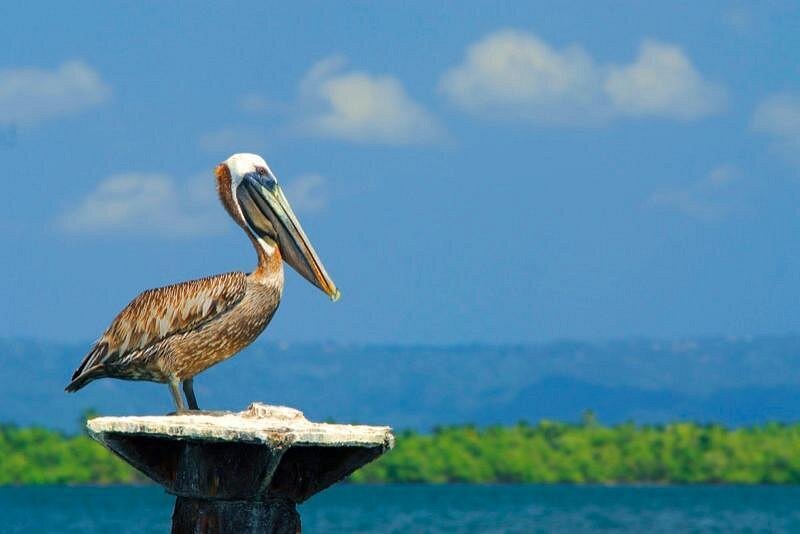
Los Haitises is known for its birdlife. The Dominican Republic's official tourism information mentions species such as pelicans, herons, egrets, woodpeckers and the endangered Ridgway's hawk among the birds associated with the park.
A boat tour can provide opportunities to observe birds around the mangroves, cays and coastal vegetation.
You might see birds flying over the water, resting in trees or searching for food near the shoreline. However, sightings depend on the location, weather, season and natural behavior of the animals.
Tips for observing birds
- Keep your voice low when approaching bird habitats.
- Avoid sudden movements that may disturb wildlife.
- Use binoculars if you have them.
- Listen to your guide's explanations.
- Do not throw food to attract birds.
- Never ask the boat operator to chase or approach wildlife too closely.
A responsible wildlife experience prioritizes the animals' welfare rather than guaranteeing close-up sightings.
6. Can a Boat Tour Include Cave Visits?
Some Los Haitises excursions combine boat travel with visits to caves. These stops can add a cultural and historical dimension to the journey because caves in the park are associated with Indigenous Taíno heritage, including pictographs and petroglyphs.
However, cave visits should never be assumed to be included in every boat tour.
Before booking, ask the operator:
- Which specific cave is included?
- Is the cave currently authorized and accessible?
- Does the itinerary involve walking, steps or uneven surfaces?
- How much time is allocated to the cave visit?
- Will the route change if access is restricted?
Important access notice: Cueva de la Línea
On June 23, 2026, the Dominican Republic Ministry of Environment announced a temporary closure of Cueva de la Línea after inspections identified deterioration in its access pier. The ministry stated that the closure would remain in place while the necessary work was assessed and completed to ensure safe visitor access.
I could not verify an official reopening announcement in the sources checked for this article. Therefore, do not assume that Cueva de la Línea is open simply because it appears in an older tour description.
This notice concerns Cueva de la Línea specifically. It does not mean that every cave or all public-use areas in Los Haitises are closed. Ask the operator which cave, if any, is currently authorized for your excursion.
7. What Is Usually Included in a Boat Tour?
Tour packages vary, so it is important to read the individual description rather than assuming every operator provides the same services.
Depending on the excursion, possible inclusions may include:
- Boat transportation within the planned route
- A local guide or tour leader
- Life jackets
- Park entrance arrangements or fees
- Guided nature interpretation
- Authorized cave stops
- Drinking water or refreshments
Other services may be excluded or offered at an additional cost. These can include meals, hotel transfers, private transportation, special activities or personal expenses.
Before paying, request a clear list of inclusions and exclusions. Confirm whether the advertised price covers all required fees and whether food and drinks are provided.
8. How to Choose the Right Boat Tour
The best tour is not necessarily the longest or the one advertising the largest number of stops. It is the excursion with a clear itinerary, appropriate safety arrangements and realistic information about what visitors can experience.
Consider these factors when comparing operators.
Departure point
Different excursions may depart from different locations around the region. The departure point affects your transport arrangements and the amount of time you spend traveling before reaching the park.
Confirm the exact meeting location and whether transportation from your accommodation is included.
Route and duration
Ask how long the boat journey lasts and which areas it is expected to cover.
A tour description may mention mangroves, caves and the bay, but you should confirm whether these are actual planned stops or general features of the wider park.
Group size
Ask how many passengers are expected on the boat. Group size can affect the overall experience, comfort and opportunities to hear the guide.
If you prefer a quieter excursion, ask whether a private or smaller-group option is available.
Guide and language
Confirm which language or languages the guide can provide. If learning about wildlife, local history and the park's ecosystems is important to you, ask whether the guide provides interpretation throughout the journey.
Safety equipment
Ask whether life jackets are provided and whether the operator explains boarding procedures and safety instructions before departure.
Follow the crew's directions throughout the trip, especially when the boat is moving or approaching a landing area.
9. What to Bring on a Los Haitises Boat Tour
A little preparation can make the journey more comfortable.
Consider bringing:
- Lightweight, comfortable clothing
- A hat or cap
- Sunglasses
- Sunscreen
- Drinking water
- A small waterproof bag
- A camera or phone in a protective case
- Insect repellent
- Any personal medication you may need
Wear footwear suitable for boarding and any authorized walking stops. If the itinerary includes a cave or uneven landing area, ask the operator about the expected walking conditions.
Keep valuables secure and avoid bringing unnecessary items that could fall into the water.
10. Food, Drinks and Visitor Facilities
Food and facilities are not identical across all Los Haitises excursions.
Some packages may include water or refreshments, while others may offer lunch or allow visitors to arrange a meal separately. Do not assume that food is included simply because the tour lasts several hours.
Before departure, confirm:
- Whether drinking water is provided
- Whether lunch or snacks are included
- Whether meals are available during the route
- Whether there are restroom facilities at the departure point or planned stops
- Whether you should bring your own snacks
If you have dietary requirements, tell the operator before booking and ask what can realistically be arranged.
It is also sensible to use restroom facilities before boarding if you are unsure whether they will be available during the excursion.
11. Boat Safety and Weather Conditions
A boat excursion takes place in a natural environment where weather and water conditions can change.
The operator may need to adjust the route, delay departure or cancel a trip if conditions are unsuitable.
For a safer experience:
- Listen to the safety briefing before boarding.
- Wear the life jacket as instructed.
- Remain seated when the crew requests it.
- Keep your hands and belongings inside the boat.
- Avoid standing or changing seats while the boat is moving.
- Follow instructions when boarding or leaving the boat.
- Tell the operator in advance if you have mobility or other practical requirements.
Do not pressure a guide or boat operator to continue into an area they consider unsafe.
12. Responsible Tourism During Your Excursion
Los Haitises is a protected national park. Visitors should help preserve its natural and cultural features.
Responsible behavior includes:
- Taking all rubbish away with you.
- Never feeding wild animals.
- Avoiding unnecessary noise near wildlife.
- Staying within authorized visitor areas.
- Not removing plants, rocks, shells or archaeological objects.
- Never scratching or marking cave walls.
- Following the guide's instructions.
- Respecting temporary closures and restricted areas.
The Dominican Republic's environmental authorities publish visitor rules intended to protect natural resources and maintain safe use of protected areas.
A responsible tour operator should explain the rules and help visitors follow them throughout the experience.
13. Questions to Ask Before Booking
Before confirming a reservation, use these questions to understand exactly what you are purchasing:
Which departure point does the tour use?
Confirm the location, meeting time and whether hotel transportation is included.
How long is the complete excursion?
Ask for the expected duration, including boarding, travel and any stops.
Which parts of Los Haitises are included?
Request the names of the areas or attractions on the planned route.
Does the tour include a cave visit?
If yes, ask for the specific cave name and confirmation of current authorized access.
Are life jackets provided?
Confirm that safety equipment is available and ask about the operator's safety procedures.
Is a guide included?
Ask which language or languages are available.
Are food and drinks included?
Check whether water, refreshments or lunch are part of the price.
Are park fees included?
Clarify whether the advertised price includes all required entrance or access fees.
What happens if weather or access conditions change?
Ask whether the route may be modified and what happens if the operator must cancel.
14. Is a Los Haitises Boat Tour Worth It?
For travelers interested in nature, coastal landscapes and wildlife, a boat tour can be an excellent way to experience Los Haitises National Park.
The journey brings together several features of the park: mangrove ecosystems, limestone formations, coastal scenery and bird habitats. Some itineraries may also include authorized cave visits or other guided activities.
The most important thing is to choose a tour based on its actual itinerary and safety arrangements rather than relying only on attractive promotional descriptions.
A well-planned excursion gives you time to appreciate the landscape, learn from a guide and experience the park without putting unnecessary pressure on its natural resources.
Frequently Asked Questions
1. What is the best way to explore Los Haitises National Park?
A guided boat tour is one of the main ways to experience the park's waterways, mangroves, limestone formations and coastal scenery. Kayaking and authorized nature walks may also be available through particular excursions.
2. What can I see during a Los Haitises boat tour?
Depending on the route, you may see mangrove forests, limestone mogotes, coastal vegetation, bird habitats and scenic waterways. Some tours may include authorized cave visits.
3. Do all boat tours visit caves?
No. Cave visits depend on the operator's itinerary and current park access conditions. Confirm the specific cave before booking.
4. Is Cueva de la Línea open?
The Ministry of Environment announced a temporary closure on June 23, 2026, because of deterioration to its access pier. I could not verify an official reopening notice in the sources checked for this article. Confirm its status with the park authorities or operator before planning a visit.
5. Can I see birds during the boat trip?
The park is known for its birdlife, and visitors may see birds around mangroves, cays and coastal habitats. Sightings are not guaranteed.
6. Are life jackets provided?
This depends on the tour package and operator. Confirm that life jackets are provided and follow the crew's instructions about their use.
7. Is food included in the boat tour?
Not necessarily. Some excursions may include water or refreshments, while meals may be excluded or arranged separately. Check the package details before booking.
8. How long does a boat tour take?
Duration varies by departure point, route and number of stops. Ask the operator for the expected total duration before reserving.
9. Can I take photographs during the trip?
Photography is generally a popular part of the experience. Protect your equipment from water and follow instructions at caves and sensitive natural or archaeological sites.
10. What should I wear?
Choose comfortable, lightweight clothing, suitable footwear, sun protection and a hat. Bring a waterproof bag for electronic devices and personal belongings.
11. Can the boat route change?
Yes. Weather, water conditions, safety requirements, conservation rules and temporary access restrictions can affect the itinerary.
12. Is a guided boat tour suitable for first-time visitors?
A guided excursion can help first-time visitors understand the park's landscape and visitor rules. Choose an operator that explains the route, safety arrangements and included services clearly.
Final Thoughts
A boat tour through Los Haitises National Park offers a chance to experience one of the Dominican Republic's most distinctive natural landscapes from the water.
Mangrove channels, limestone formations, coastal bird habitats and the scenery of San Lorenzo Bay make the journey memorable. Depending on current access and the selected itinerary, visitors may also experience authorized cave stops and guided nature interpretation.
Before booking, confirm the departure point, route, duration, safety equipment, food arrangements and current cave access. Then enjoy the journey at a responsible pace, respecting the wildlife and protected environment that make Los Haitises special.


