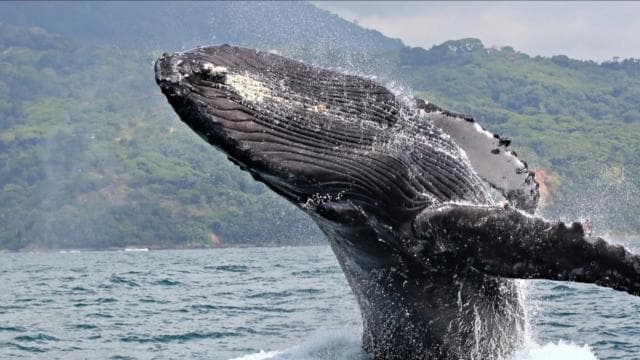
Whale Watching + Cayo Levantado Freedom
5.0(5)
From$51
Whale Watching + Cayo Levantado Freedom
5.0 (5)
From$51per person
Discover the best of the Dominican Republic with DominicanPlace.com, a destination-focused travel guide for exploring the country's beaches, cities, islands, natural attractions, cultural heritage, and unforgettable travel experiences.
The Dominican Republic is one of the Caribbean's most diverse destinations. From the white-sand beaches of Punta Cana and the tropical islands of the southeast to the mountains of Jarabacoa, the waterfalls of Samaná, the historic streets of Santo Domingo, and the mangrove forests of Los Haitises, the country offers experiences for beach lovers, families, adventure travelers, nature enthusiasts, and culture seekers.
Whether you are planning your first Caribbean vacation, looking for hidden places beyond the main resorts, researching the best excursions, or organizing a road trip across the island, Dominican Place aims to help you discover where to go, what to see, what to do, and how to plan your visit.
Explore the Dominican Republic. Discover remarkable places. Experience the Caribbean.
Website: https://dominicanplace.com/
The Dominican Republic combines Caribbean coastlines, Atlantic beaches, mountain landscapes, tropical forests, colonial architecture, fishing villages, and vibrant cities. Every region offers a different way to experience the country.
Punta Cana is one of the Dominican Republic's best-known vacation destinations, attracting visitors with its beaches, resort areas, restaurants, water activities, and wide selection of excursions.
Popular experiences around Punta Cana include:
Travelers should compare excursion itineraries, transportation arrangements, departure times, total costs, and included services before booking.
Santo Domingo is the capital of the Dominican Republic and an important destination for understanding the country's history and cultural heritage.
The Colonial City, known as Ciudad Colonial, features historic streets, plazas, churches, museums, and architectural landmarks. It is a particularly interesting destination for visitors who want to combine sightseeing with Dominican food, shopping, and cultural experiences.
Places and experiences to explore include:
Visitors should check opening hours, admission requirements, and access conditions for individual attractions before traveling.
The Samaná Peninsula is known for its tropical landscapes, beaches, coastal communities, waterfalls, and opportunities to explore nature.
It is an excellent region for travelers who want to experience more than a conventional beach vacation.
Highlights include:
Samaná is particularly associated with humpback whales, which visit the region seasonally, generally from January through March. Whale-watching excursions depend on operating schedules, weather, sea conditions, and applicable wildlife regulations.
Los Haitises is one of the Dominican Republic's distinctive natural destinations. Its landscape includes mangrove forests, limestone hills, coastal waterways, caves, and habitat for numerous bird species.
Visitors can discover the area through authorized boat excursions and other permitted activities, depending on the itinerary and local operating conditions.
Experiences may include:
Because access, permitted activities, and environmental rules can vary, travelers should confirm current arrangements with the appropriate authorities or reputable local operators.
Useful destination resources:
Saona Island is a well-known excursion destination off the southeastern coast of the Dominican Republic. It is associated with tropical beaches, palm trees, clear water, and boat trips through the Caribbean.
Many excursions combine transportation from the mainland with beach time, meals, and a stop at a shallow natural swimming area, depending on the itinerary.
Before choosing a Saona Island tour, compare the departure point, transfer duration, boat type, group size, beach stops, meals, and cancellation policy.
Travelers should also follow local environmental guidance and respect protected coastal habitats.
Catalina Island is another popular destination for visitors interested in boat trips, beaches, and snorkeling.
Depending on the operator and conditions, excursions may include transportation by boat, snorkeling stops, beach relaxation, and meals.
Visitors should confirm whether snorkeling equipment, entrance fees, food, and transportation are included in the advertised price.
Puerto Plata offers a combination of coastal scenery, history, mountain views, and outdoor activities. It is a useful destination for travelers exploring the northern Dominican Republic.
Things to explore include:
Opening schedules and operating conditions for individual attractions should be checked before visiting.
Miches is a destination on the eastern side of the Dominican Republic known for coastal scenery, lagoons, countryside landscapes, and access to selected outdoor attractions.
Montaña Redonda is one of the area's best-known viewpoints, offering panoramic views of surrounding landscapes and the coastline.
Visitors may explore the region through scenic trips, beach visits, countryside experiences, and excursions arranged by local operators.
Travelers should confirm road conditions, transfer arrangements, and the availability of activities before setting out.
Jarabacoa, in the Dominican Republic's central mountain region, offers a different experience from the country's coastal resort areas.
The destination is associated with mountain landscapes, rivers, outdoor recreation, and a cooler highland environment.
Potential activities include:
Adventure activities should be booked with responsible operators who explain safety requirements and current conditions.
The southwestern Dominican Republic offers a variety of coastal, mountain, and natural landscapes. Barahona can serve as a base for exploring this less resort-focused part of the country.
The wider region includes scenic coastal roads, beaches, mountain environments, and areas of ecological interest. Travel distances can be considerable, so visitors should plan transportation and overnight stays carefully.
For a regional itinerary, verify road conditions, travel times, accommodation availability, and access restrictions for individual attractions.
The Dominican Republic has beaches suited to different types of travelers, from developed resort areas to quieter stretches of coastline.
Beach conditions vary with weather, currents, seasonal seaweed, local access rules, and infrastructure. A beautiful beach in photographs may not always be suitable for swimming on a particular day.
When researching a beach, check:
Dominican Place can build dedicated beach guides with practical directions, seasonal advice, local amenities, and responsible visitor information.
The country's range of landscapes and cultural attractions makes it suitable for many types of travel.
Explore selected hiking trails, waterfalls, mountain areas, rivers, and countryside routes. Check difficulty levels, weather conditions, equipment requirements, and local guidance before participating.
Discover coastal scenery through authorized boat tours, island excursions, sailing trips, and snorkeling experiences. Compare departure locations, sea conditions, group sizes, and what is included.
Visit historic districts, museums, cultural landmarks, and local communities. Santo Domingo is a particularly important destination for learning about Dominican history.
Try Dominican dishes such as mangú, sancocho, mofongo, and fresh local seafood, depending on the region. Explore local markets and restaurants while respecting community customs.
Discover mangroves, forests, wetlands, coastal habitats, and seasonal wildlife experiences. Choose responsible operators, observe wildlife from appropriate distances, and follow protected-area regulations.
Families can research suitable beaches, guided excursions, cultural attractions, outdoor activities, and nature experiences. Confirm age restrictions, transport duration, accessibility, and safety provisions before booking.
The Dominican Republic is a year-round destination, but weather, regional conditions, and seasonal activities can influence the best time for a particular trip.
The country generally has a tropical climate, with variations between coastal and mountainous areas. Rainfall, humidity, temperatures, and sea conditions differ by region and time of year.
Consider these factors when planning:
Beach holidays: Check local forecasts, swimming conditions, and seasonal seaweed reports for the area you intend to visit.
Whale watching: Samaná's humpback whale-watching season generally runs from January through March, subject to local operating conditions.
Outdoor adventures: Hiking, waterfalls, and river activities can be affected by rainfall and changing water levels.
City sightseeing: Santo Domingo and other cities can be explored throughout the year, but visitors should plan around heat, rain, opening schedules, and local events.
Mountain trips: Highland destinations can have cooler temperatures and different weather from coastal resort areas.
Always consult current forecasts and official local information shortly before travel.
Transportation options vary by destination and travel style. Travelers may use private transfers, organized excursions, rental vehicles, taxis, or public transportation where available.
When planning a route, consider the following:
For long-distance itineraries, avoid scheduling too many attractions in one day. Allow time for meals, rest, unexpected delays, and the return journey.
A little preparation can make a trip easier and more enjoyable.
Check entry requirements: Confirm current passport, visa, and entry requirements through official sources relevant to your nationality and travel circumstances.
Plan transportation: Confirm airport transfers, pickup points, and the practical travel time between destinations.
Carry appropriate essentials: Bring sun protection, suitable footwear, insect protection where needed, and clothing appropriate to your activities.
Use reputable service providers: Review business information, recent customer feedback, cancellation conditions, and activity-specific safety requirements.
Understand the total price: Check whether transportation, meals, entrance fees, equipment, and taxes are included.
Respect local communities: Follow local rules, ask permission before photographing people, and support responsible local businesses.
Protect the environment: Avoid littering, respect wildlife, follow protected-area guidance, and do not remove natural or cultural objects.
Check current conditions: Beaches, trails, attractions, boat trips, and opening schedules can change with weather or local circumstances.
Look for beaches with suitable conditions, family-friendly attractions, manageable travel times, and clear information about age restrictions and facilities.
Consider scenic coastal areas, boat trips, cultural experiences, nature excursions, and destinations that suit your preferred pace.
Research mountain trails, waterfalls, rivers, outdoor activities, and guided excursions. Choose experiences that match your fitness level and safety needs.
Explore protected natural areas, mangroves, forests, wetlands, caves accessible through authorized tours, and seasonal wildlife experiences.
Prioritize Santo Domingo's Colonial City, museums, historic landmarks, local food, and cultural experiences in different regions.
Build an itinerary around realistic driving times, accommodation locations, transport options, and the seasonal conditions of the places you want to visit.
Dominican Place can organize destination information into clear regional categories to help travelers move from general inspiration to practical planning.
East Dominican Republic: Punta Cana, Bávaro, Cap Cana, Bayahibe, La Romana, Miches, and nearby coastal attractions.
Samaná Peninsula: Samaná town, Las Terrenas, Las Galeras, El Limón Waterfall, Playa Rincón, and Los Haitises access points.
Southeast and islands: Saona Island, Catalina Island, and other excursions subject to local access and operating conditions.
North Coast: Puerto Plata, Sosúa, Cabarete, and surrounding beaches and towns.
Central Mountains: Jarabacoa, Constanza, mountain scenery, and outdoor activities.
Southwest: Barahona and surrounding coastal and natural attractions.
Capital and heritage: Santo Domingo, the Colonial City, museums, and cultural landmarks.
Each regional page should contain original information, maps or directions where appropriate, realistic travel times, verified attractions, practical visitor advice, and relevant links to related places.
Popular destinations include Punta Cana, Santo Domingo, Samaná, Puerto Plata, Saona Island, Catalina Island, Jarabacoa, Miches, and the southwest. The best choice depends on your interests, available time, and travel style.
The country is known for its Caribbean beaches, all-inclusive resorts, music, food, baseball culture, historic Santo Domingo, mountain landscapes, waterfalls, and outdoor adventures.
Yes. Visitors can explore mangroves, mountain landscapes, waterfalls, caves accessible through authorized tours, beaches, and other natural environments. Always follow local regulations and choose responsible operators.
Yes. Depending on the length of your stay, you can explore destinations such as Santo Domingo, Samaná, Miches, Puerto Plata, Jarabacoa, and the southwest. Some destinations are too far for a comfortable day trip and are better visited with an overnight stay.
Humpback whale watching generally takes place from January through March. Dates, departures, and conditions depend on seasonal operations and local regulations.
A short vacation can focus on one region, while a longer trip allows more time for destinations with different landscapes and cultures. Plan around realistic transportation times rather than trying to visit the entire country in a few days.
Many destinations offer family-friendly beaches, sightseeing, nature experiences, and organized activities. Suitability depends on the children's ages, transport duration, weather, and the requirements of each activity.
Check access requirements, opening schedules, permitted activities, guide requirements, and current environmental guidance. Stay on authorized routes and avoid disturbing wildlife.
The Dominican Republic is much more than a beach destination. It is a country of contrasting landscapes, vibrant cities, historic sites, local traditions, coastal communities, and remarkable natural environments.
From the beaches of Punta Cana and the historic streets of Santo Domingo to the waterfalls of Samaná, the mangroves of Los Haitises, and the mountains of the interior, every region offers something different to discover.
DominicanPlace.com can serve as a starting point for travelers looking for places to visit, things to do, destination guides, local attractions, and practical information for planning a Dominican Republic vacation.
Explore the website, discover destinations that match your interests, and prepare your next Caribbean adventure.
Dominican Place – Discover the places, people, culture, and natural beauty of the Dominican Republic.
Handpicked Listings in Dominican Place Best Places To Visit In The Dominican Republic
2results