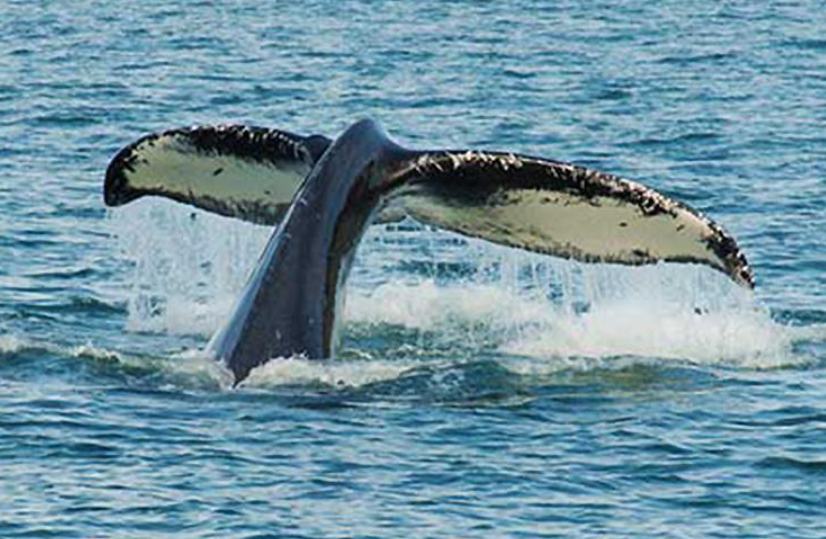
How Do Humpback Whales Control Their Buoyancy Underwater?
Discover how humpback whales manage buoyancy underwater through lung air, body composition, and diving adaptations during their ocean journeys.
2026-10-22
Read article →

Local whale-watching experts in Samaná Bay, Dominican Republic, sharing trusted guides, tour tips, seasonal information, and responsible travel advice for seeing humpback whales.
Discover how humpback whales manage buoyancy underwater through lung air, body composition, and diving adaptations during their ocean journeys.
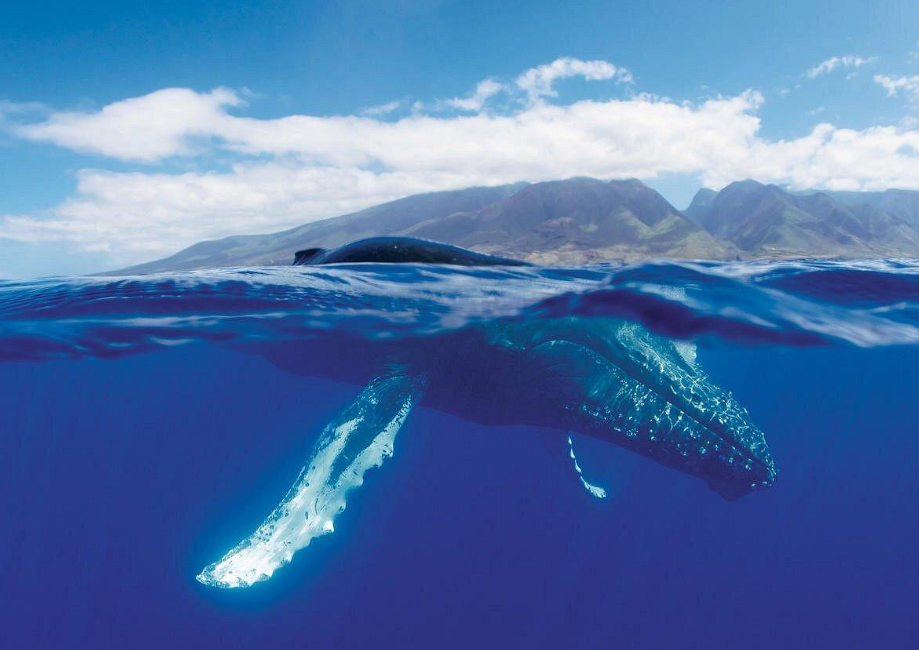
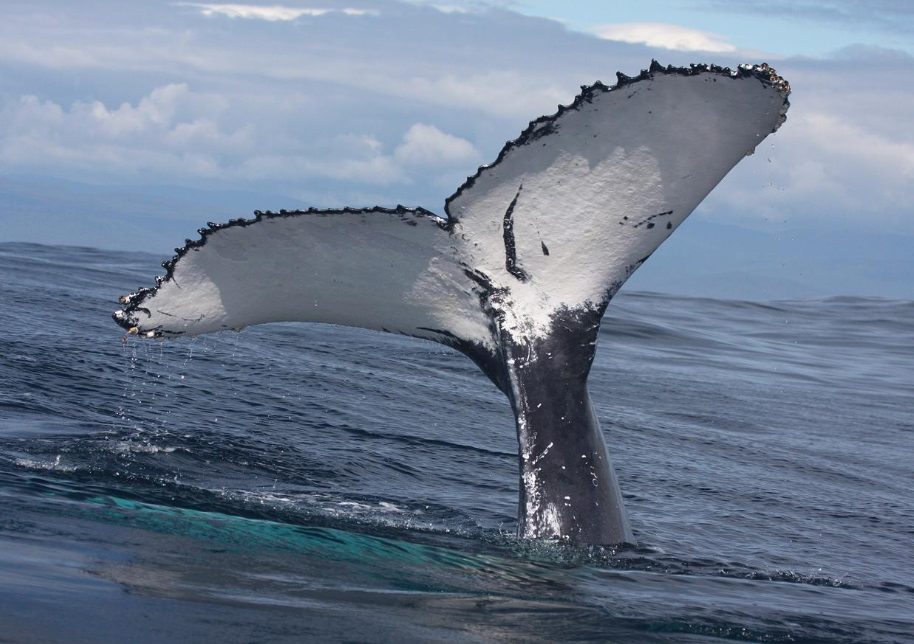
Learn how humpback whale tail flukes generate thrust, power forward movement, and help these enormous marine mammals travel through the ocean.
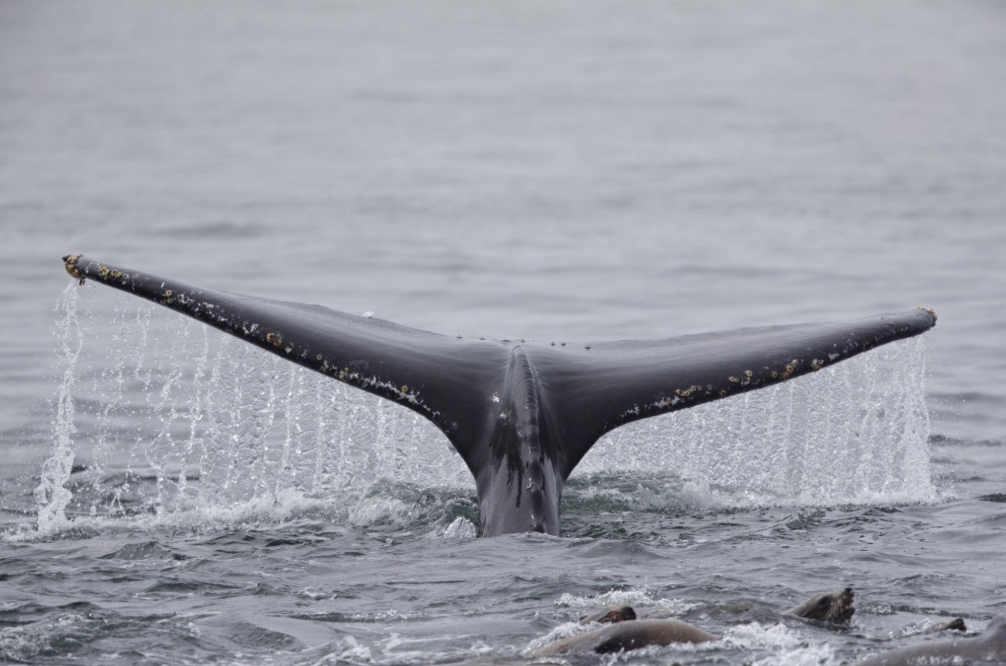
Discover why humpback whales have exceptionally long pectoral fins and how these remarkable flippers help them maneuver through the ocean.
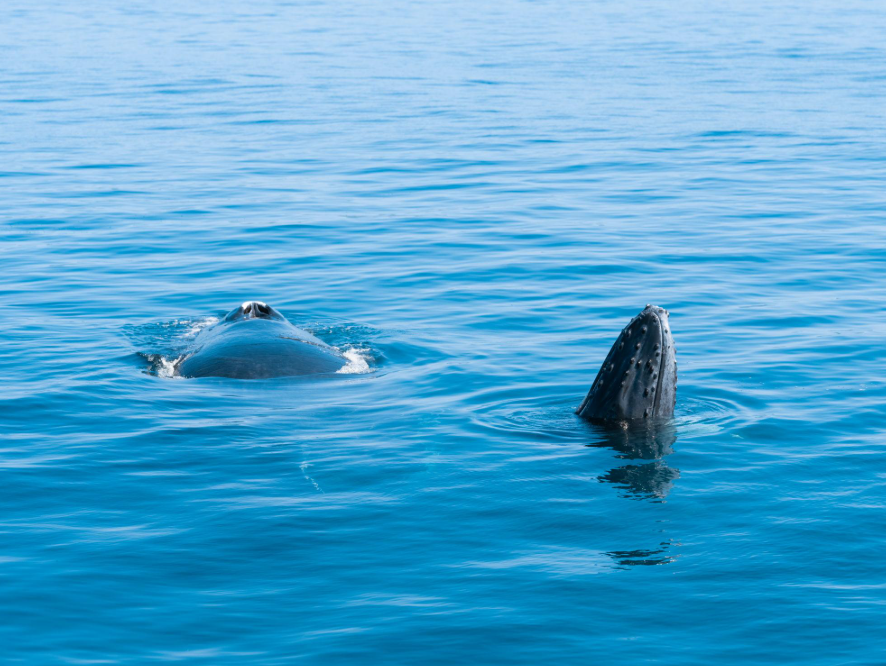
Learn how humpback whales use blubber, body size, and physiological adaptations to retain heat while migrating between different ocean temperatures.
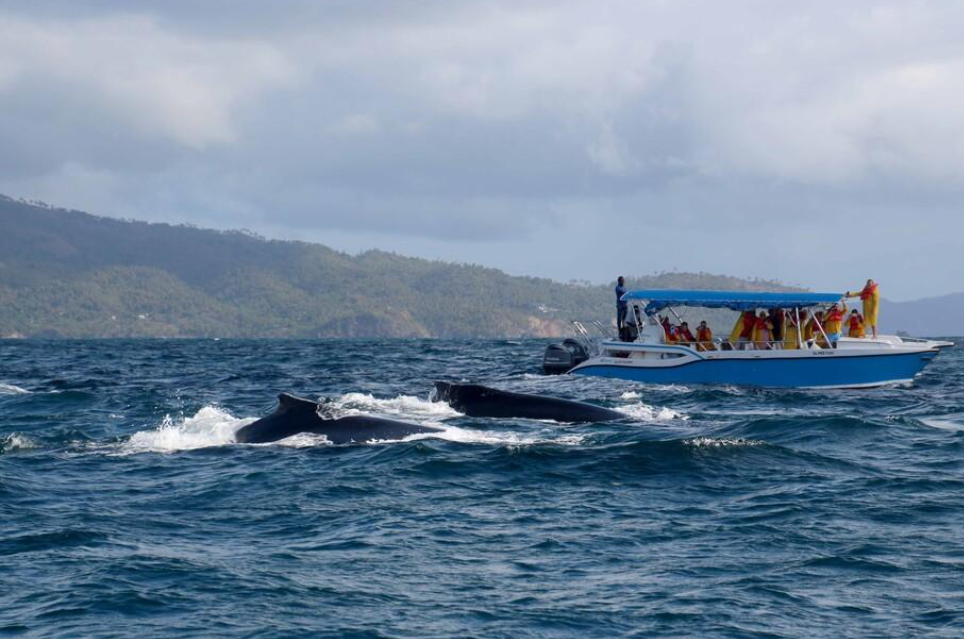
Discover how humpback whale calves develop swimming skills, surface to breathe, and gradually build diving abilities in their early lives.
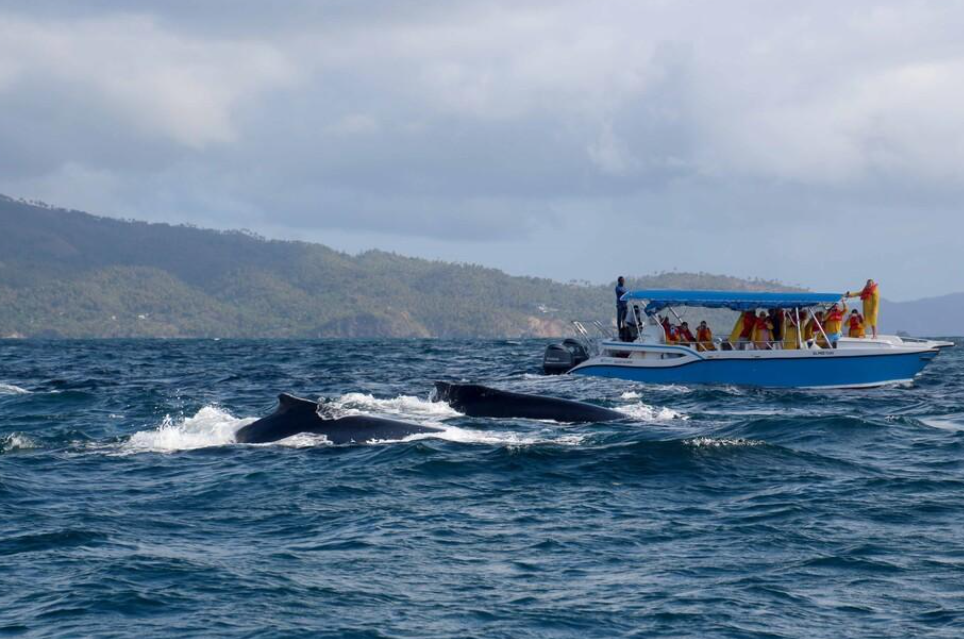
Discover what humpback whales eat, how they feed, and why their seasonal breeding stay in Samaná differs from feeding in colder waters.
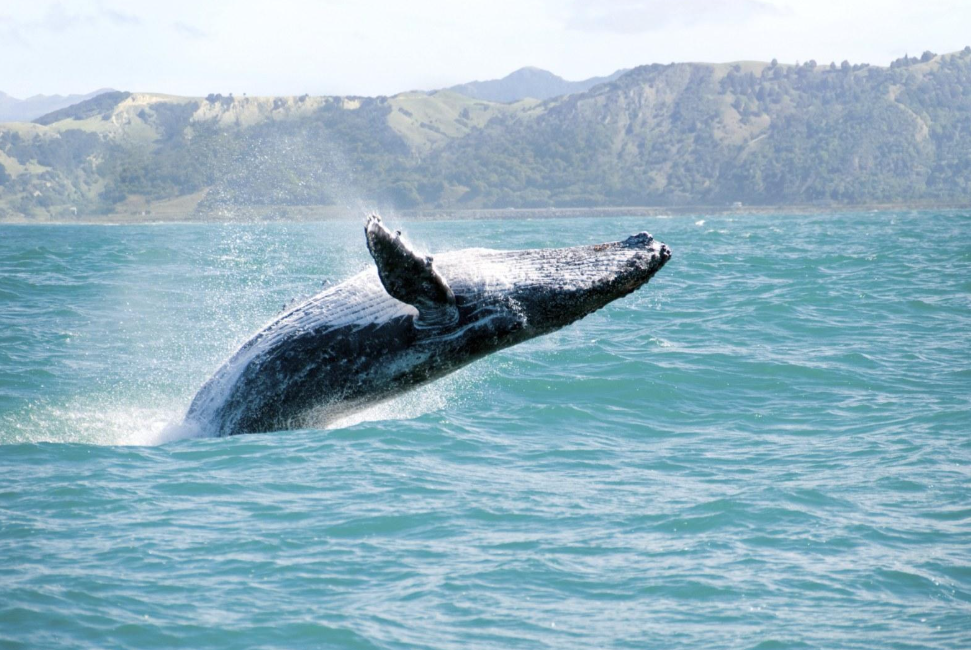
Can you see humpback whales from shore in Samaná? Learn what land-based viewing offers, its limitations, and when to choose a boat tour.
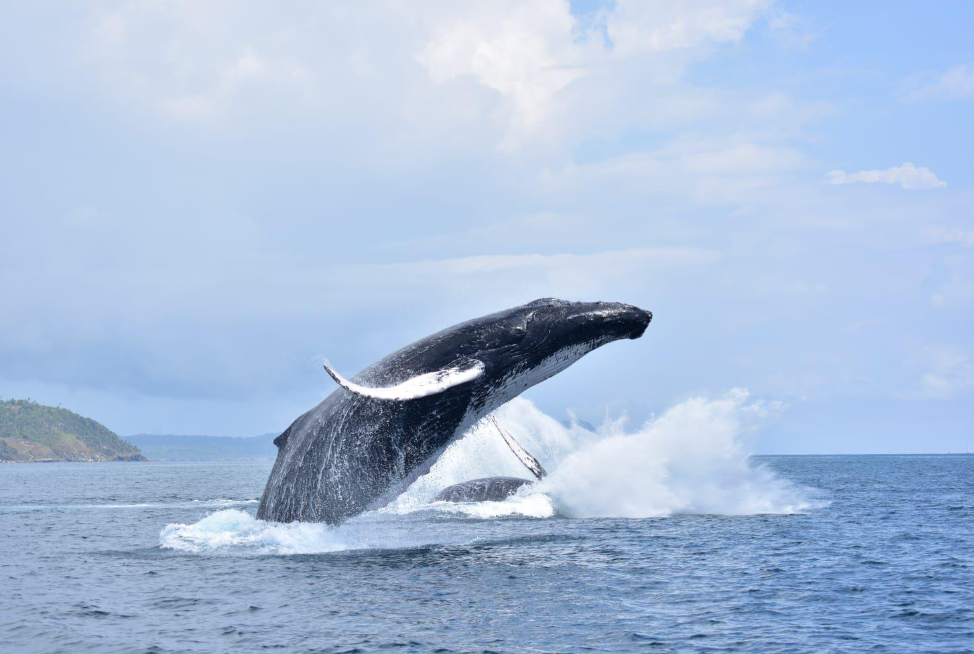
Discover whether morning or afternoon is better for whale watching in Samaná, with tips on daylight, comfort, visibility, and tour timing.
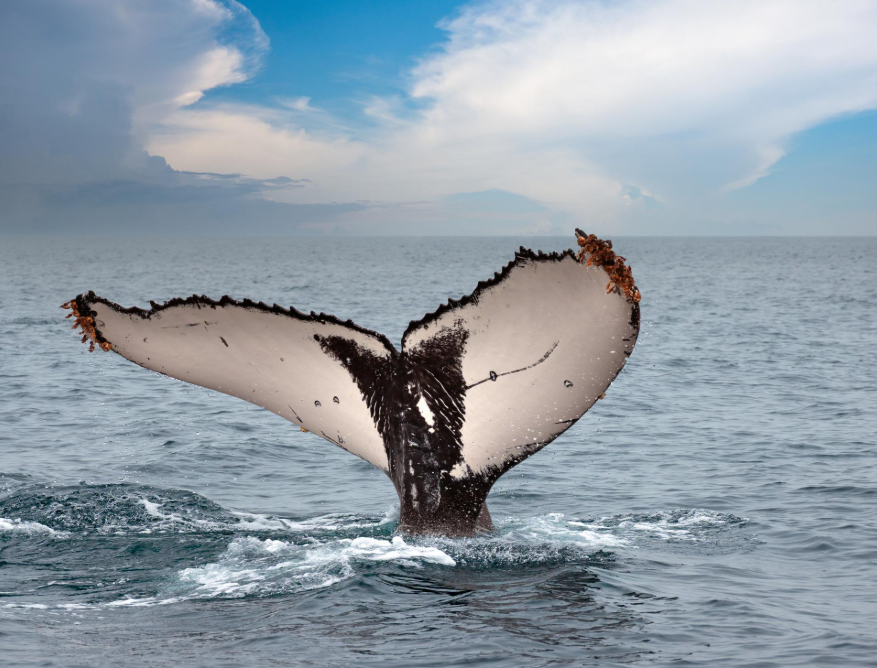
Understand Samaná whale-watching cancellation policies, weather cancellations, refunds, deposits, and rescheduling before booking your excursion.
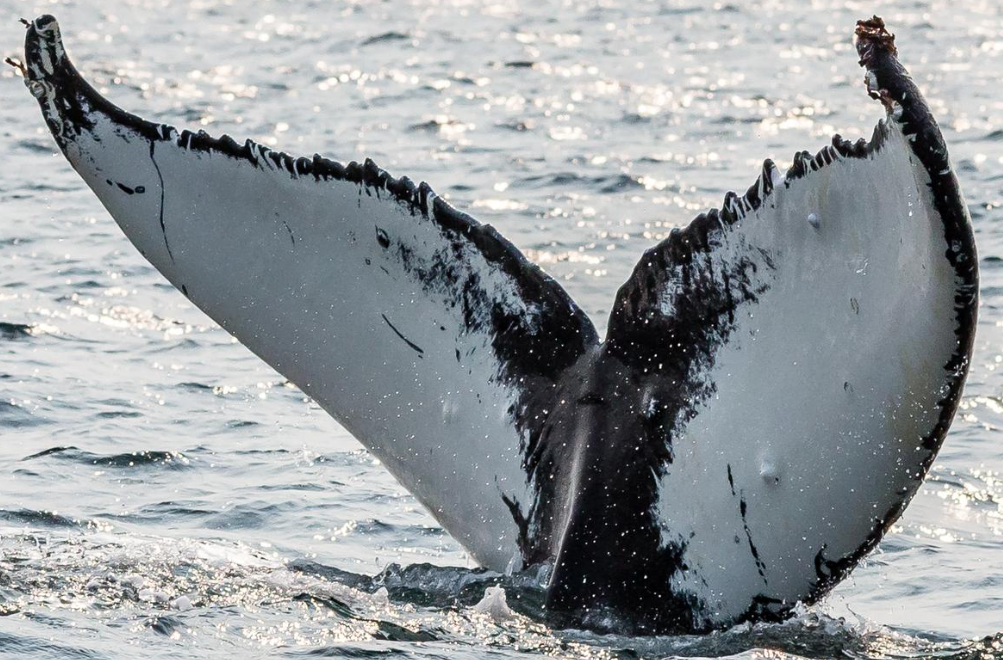
Learn how to choose a responsible whale-watching operator in Samaná by checking safety standards, wildlife practices, guide knowledge, and booking policies.
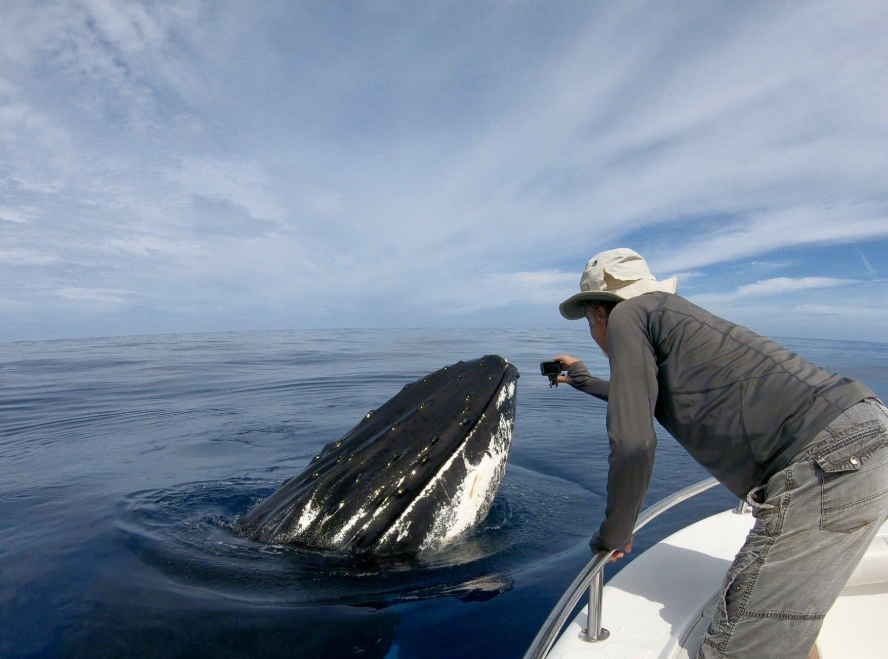
Compare shared whale-watching tours and private charters in Samaná. Learn about privacy, flexibility, group size, planning, and choosing the right trip.
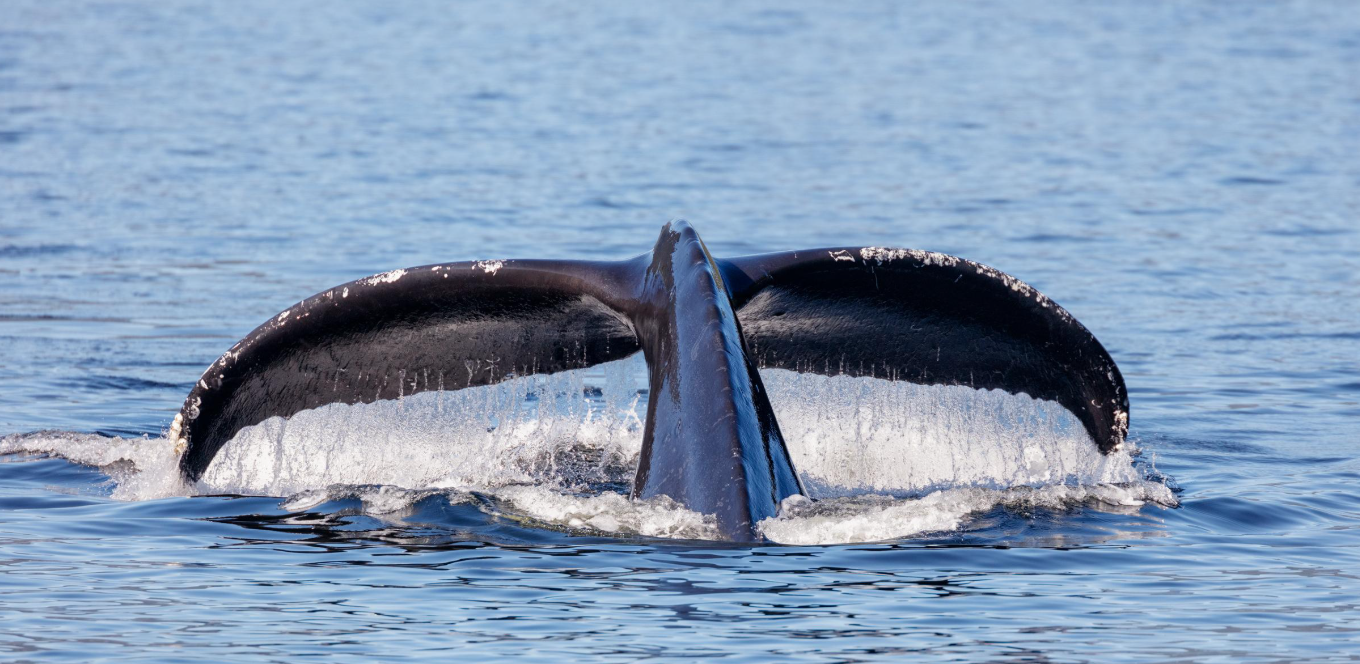
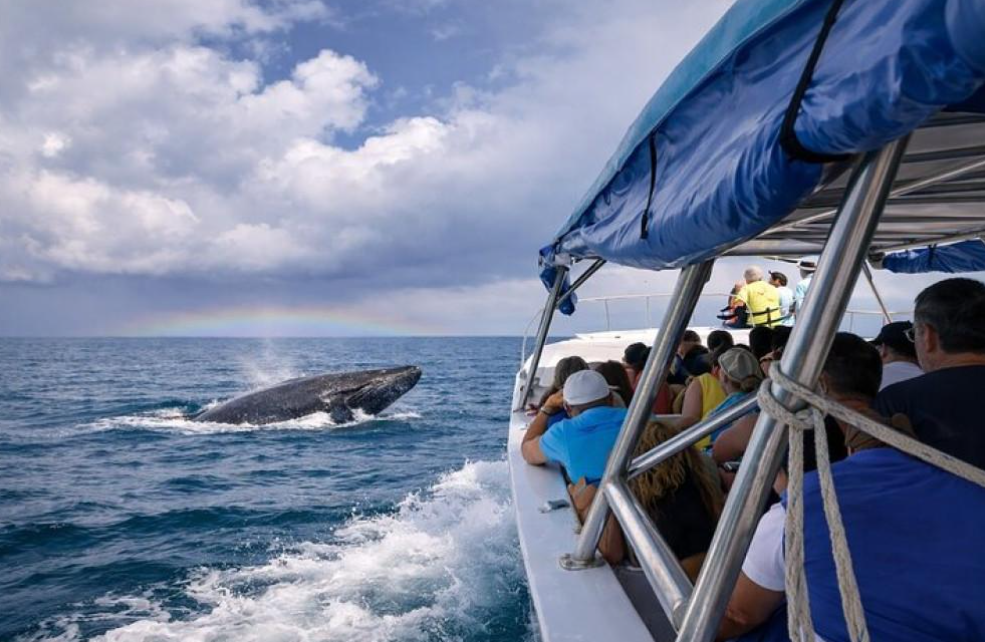
Discover what to expect on a Samaná whale-watching trip, from departure preparations and the boat journey to observing humpback whales and returning to shore.
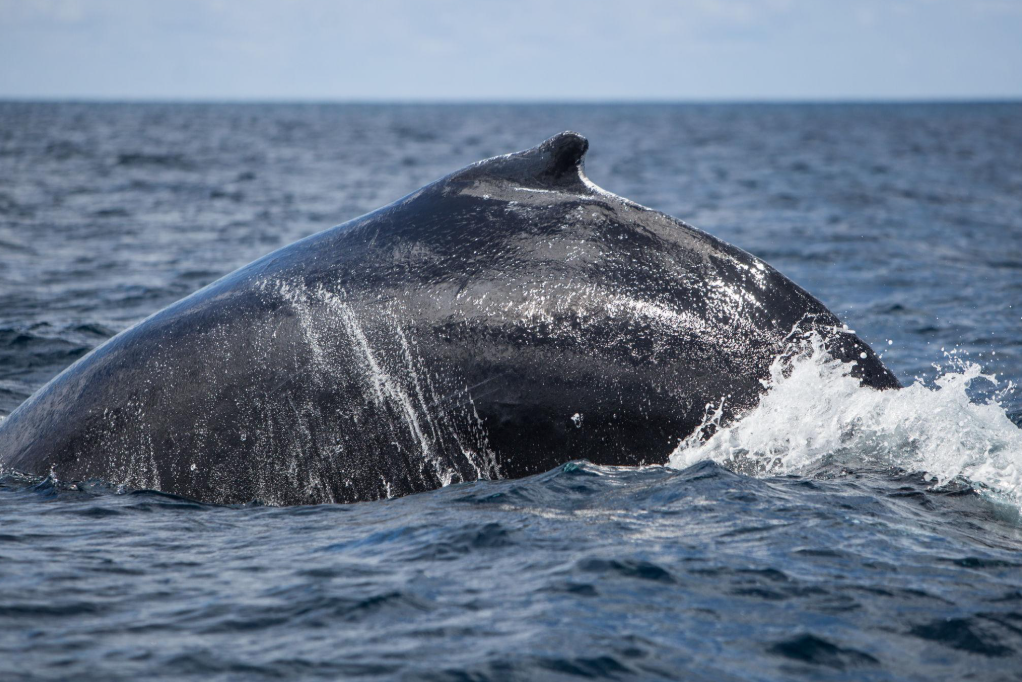
Planning a Samaná whale-watching trip? Discover what to pack, from sun protection and comfortable clothing to water, personal essentials, and practical boat-trip supplies.
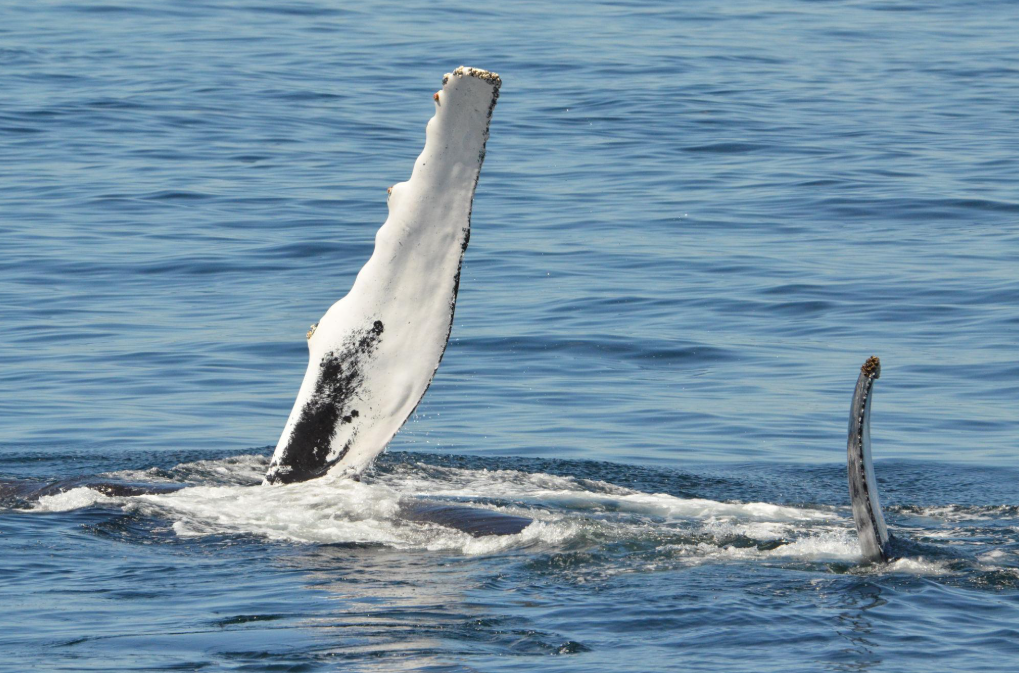
Learn how to photograph humpback whales in Samaná Bay with practical tips for camera settings, timing, composition, and responsible whale-watching photography.
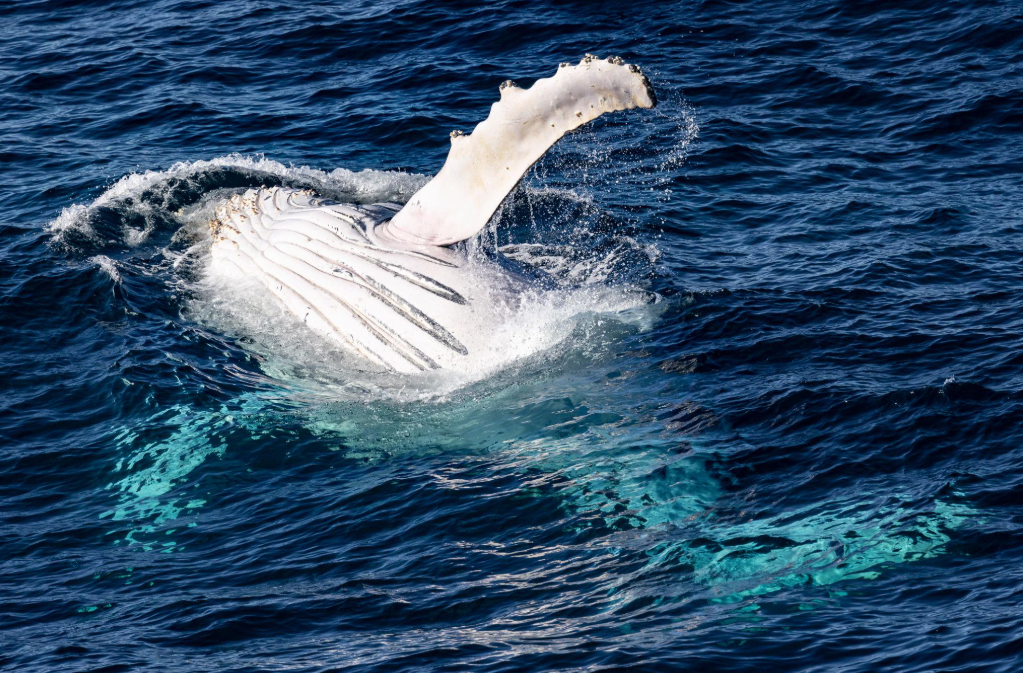
Discover why humpback whales may surface on different sides of a whale-watching boat and how underwater movement, viewing angles, and observation conditions affect sightings in Samaná Bay.
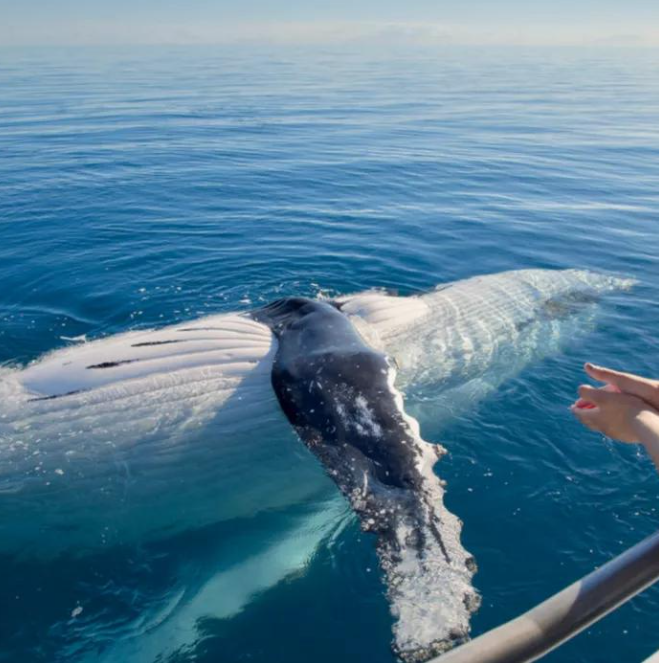
Discover why humpback whales may surface farther away than expected and how distance, perspective, and open water affect whale watching in Samaná Bay.
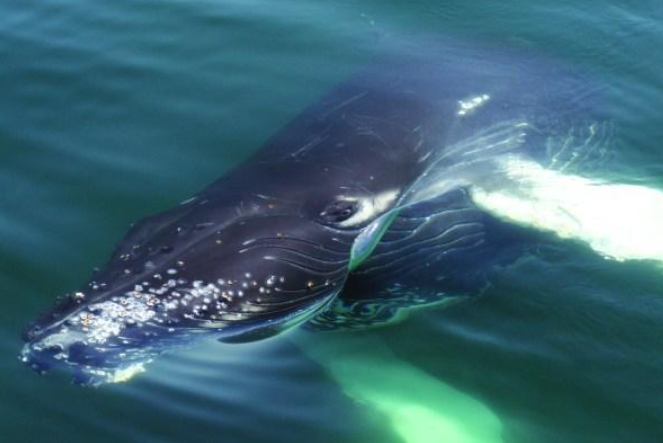
Learn why humpback whales can disappear behind waves and reappear nearby during whale watching in Samaná Bay, Dominican Republic.
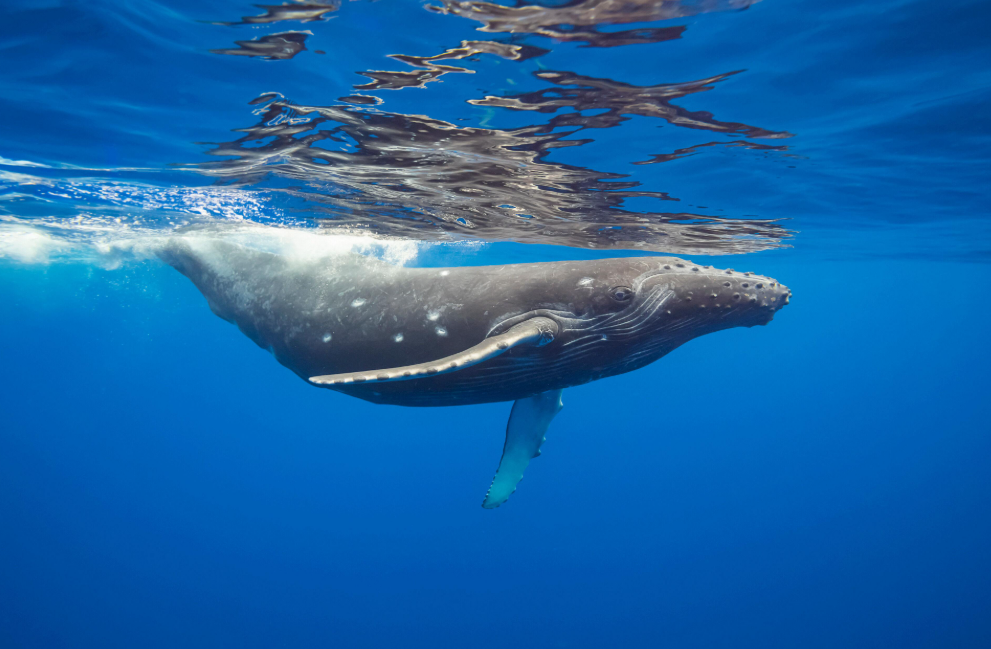
Discover why only a small part of a humpback whale's back may appear above water and how visibility affects whale watching in Samaná Bay.
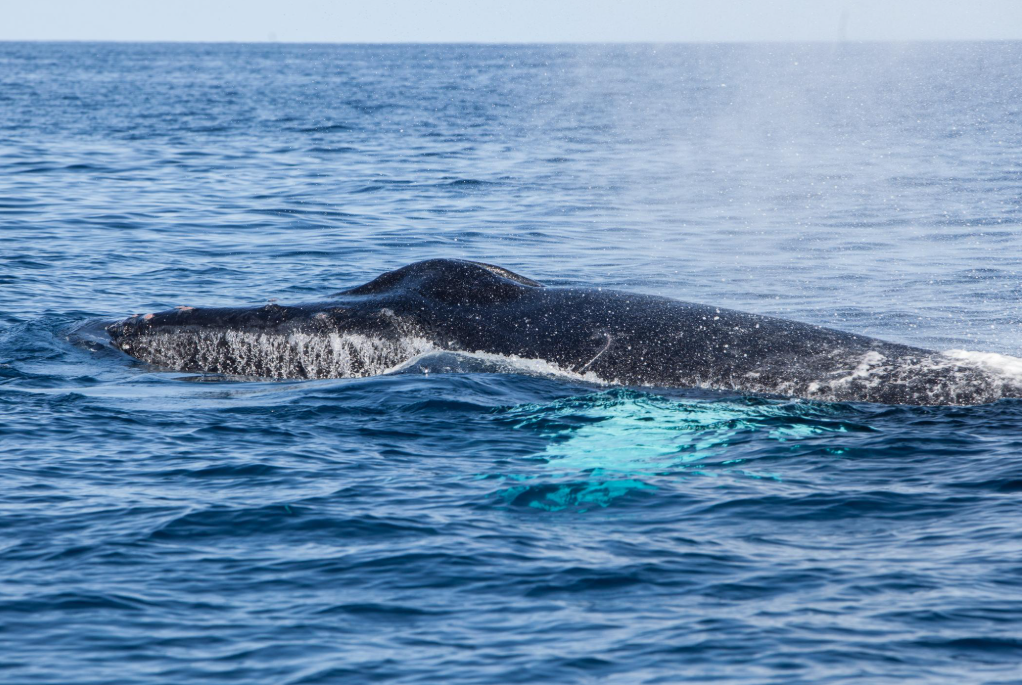
Discover why humpback whales may surface at different angles between breaths and how to observe these movements during Samaná whale watching.
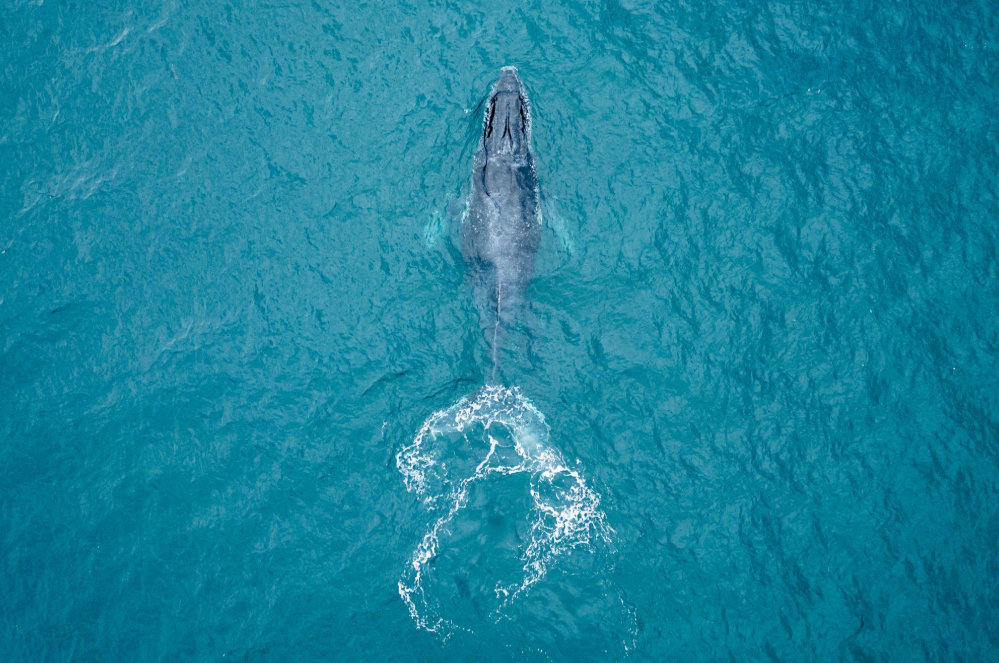
Learn why humpback whales sometimes rise at a steep angle near the surface and how to interpret this behavior during Samaná whale watching.
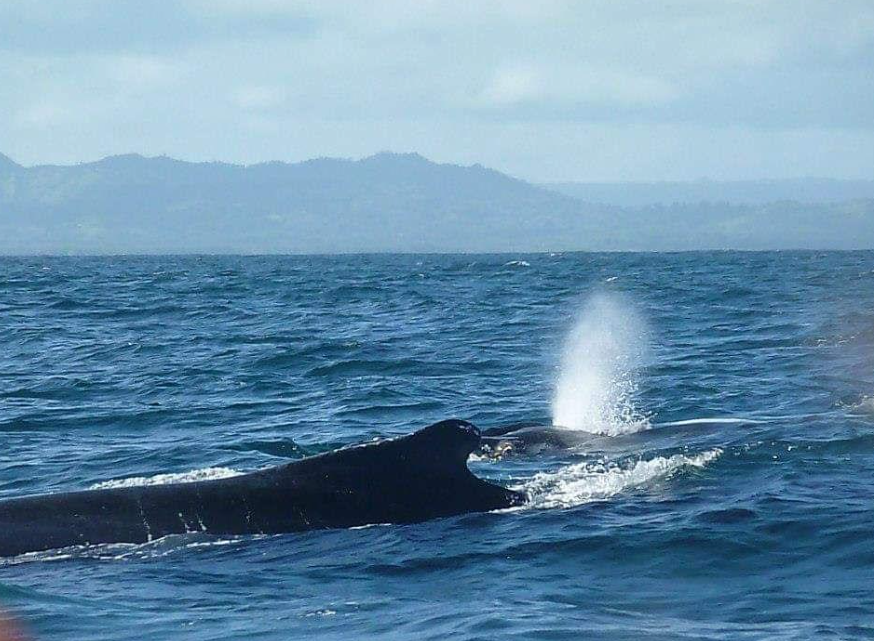
Discover why humpback whales sometimes appear to pause at the surface in Samaná Bay and what whale watchers should look for.
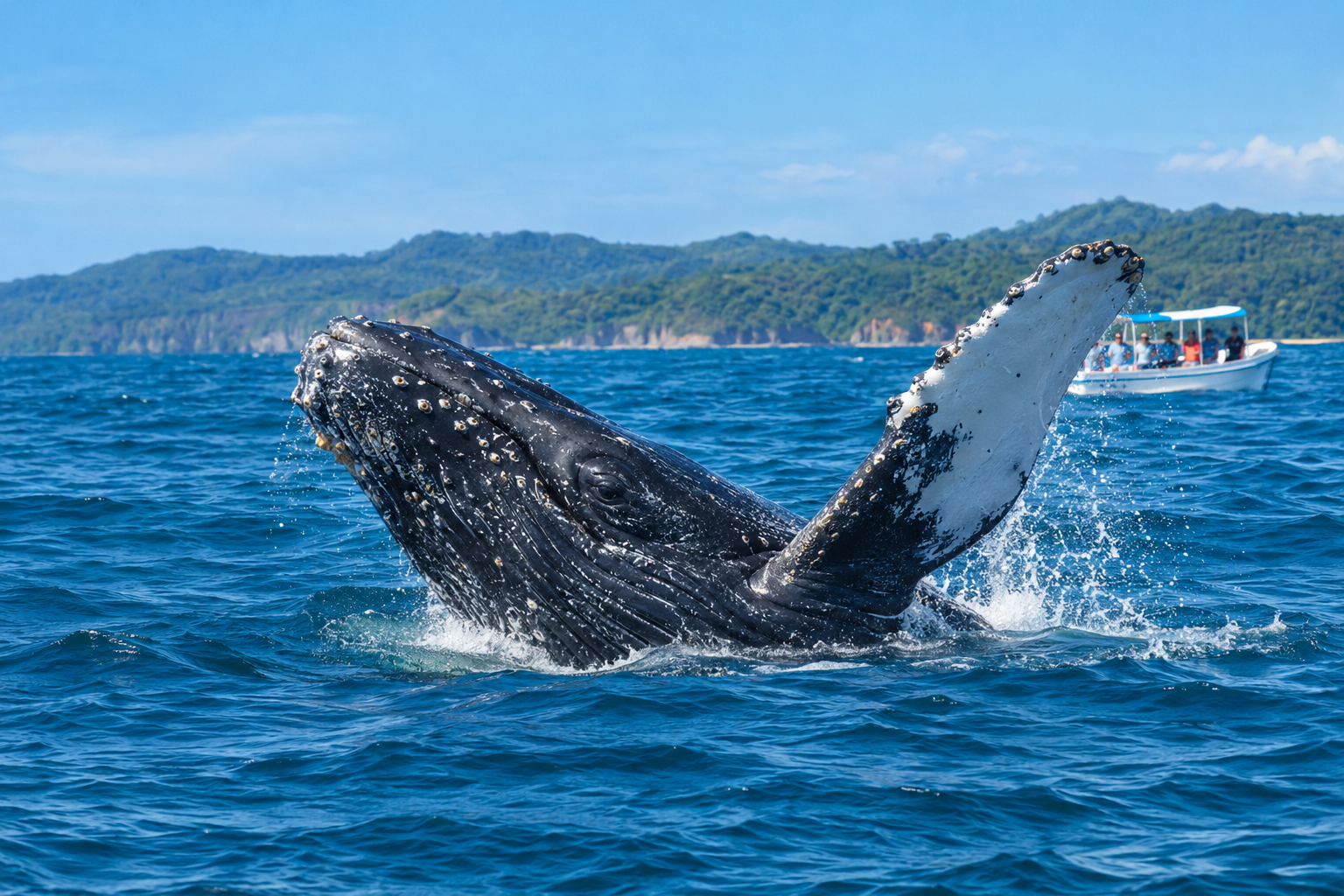
Learn why humpback whales change their swimming rhythm near the surface and what visitors can observe during whale watching in Samaná Bay.
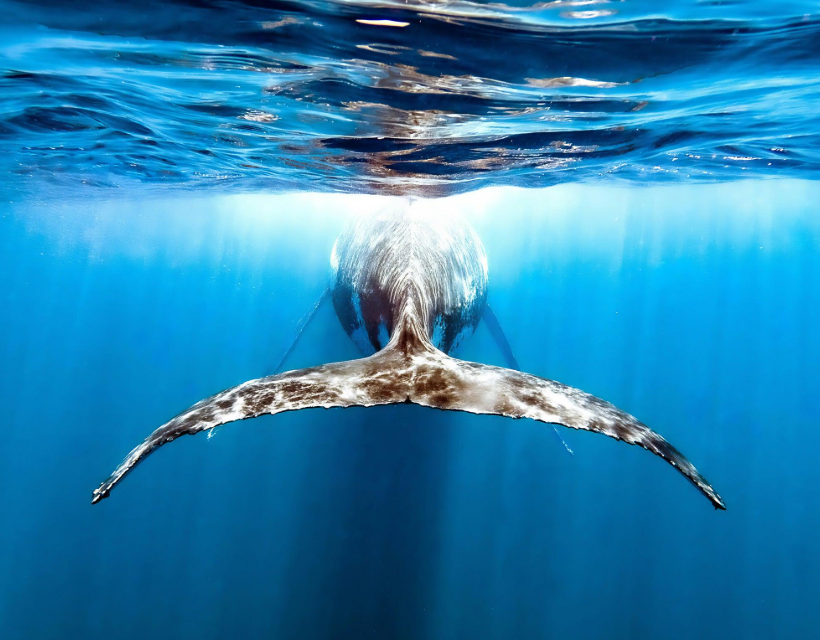
Discover why humpback whales sometimes roll sideways at the surface in Samaná Bay and how to interpret this fascinating behavior responsibly.
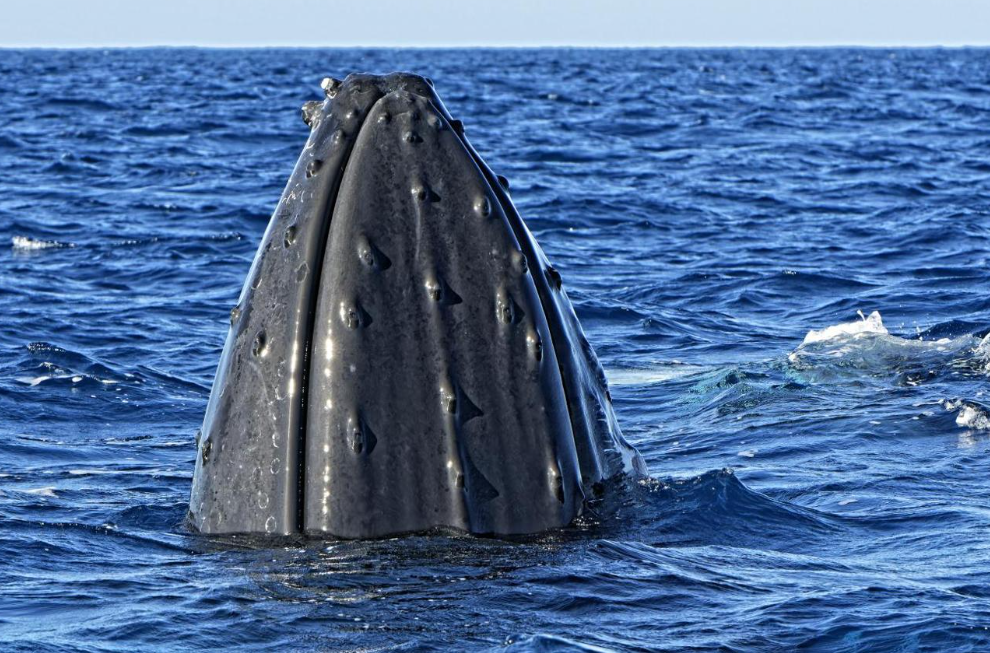
Learn why humpback whales sometimes submerge without lifting their tail flukes, what observers can see during a dive, and how to interpret whale behavior in Samaná Bay.
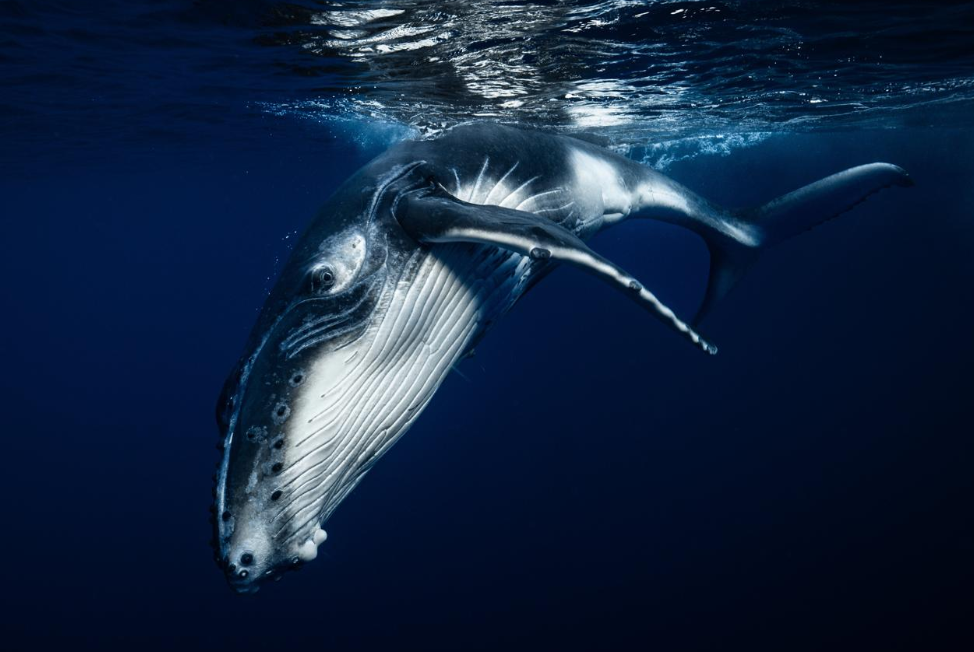
Discover why humpback whales may surface in unexpected places during Samaná whale-watching trips, from underwater movement to changing travel directions.
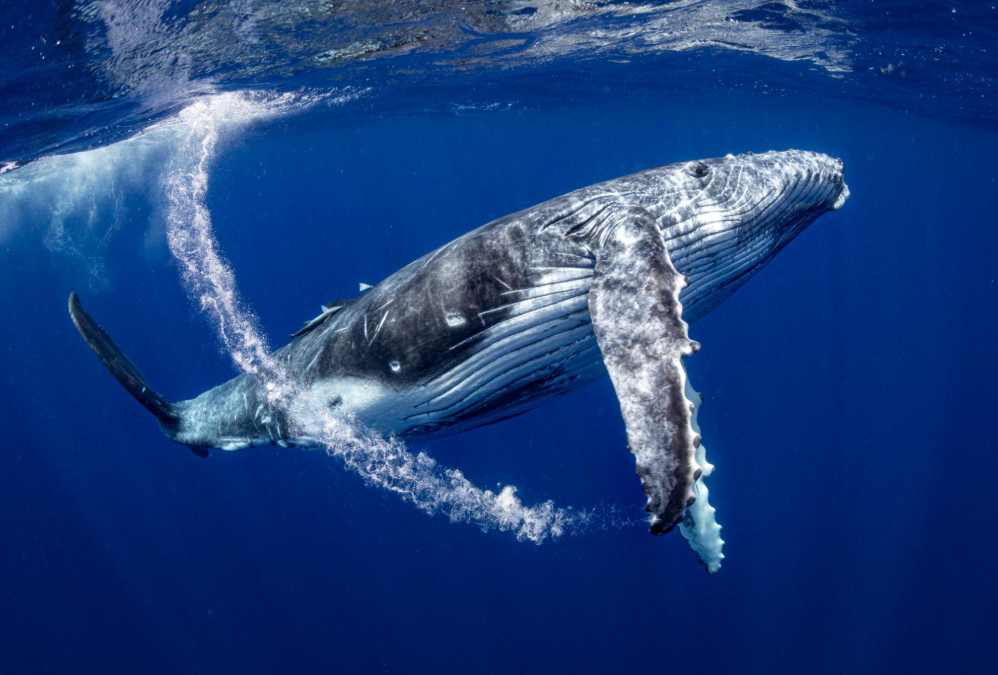
Discover how whale-watching guides spot humpback whales using horizon scanning, whale blows, surface movements, and careful observation in Samaná Bay.
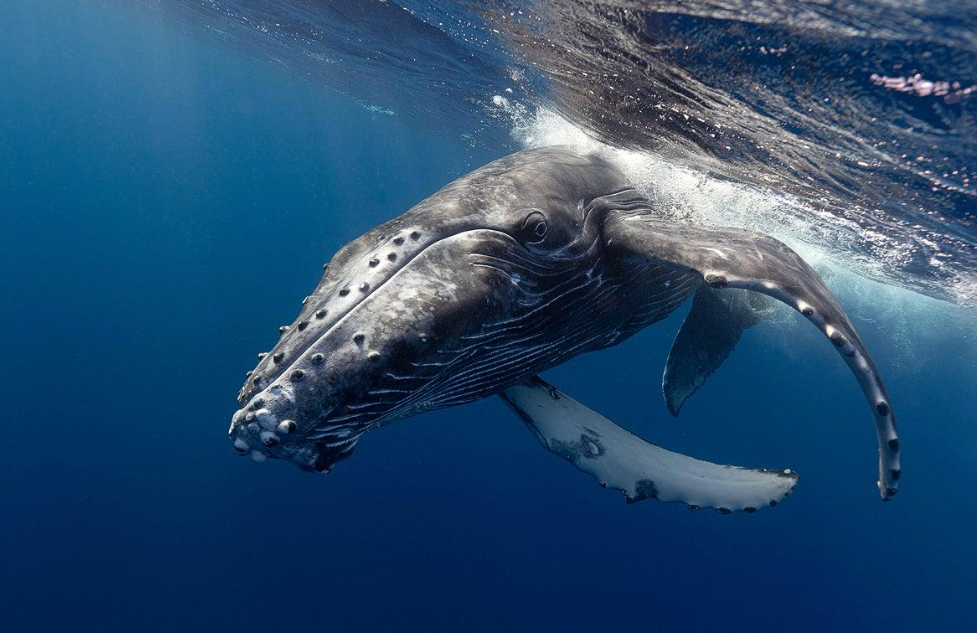
Learn how waves, wind, glare, visibility, and weather affect humpback whale sightings and whale-watching experiences in Samaná Bay, Dominican Republic.
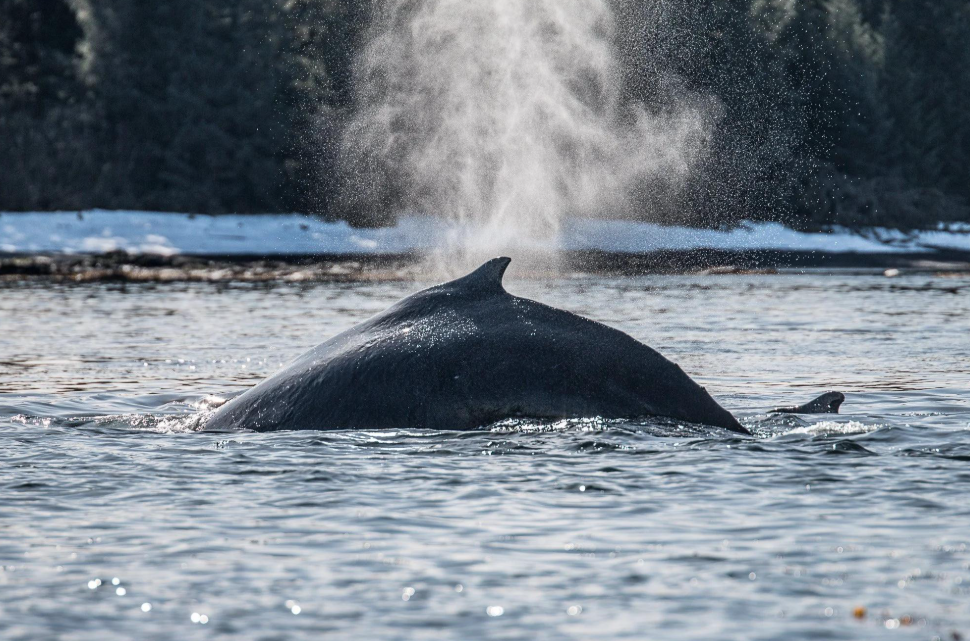
Discover how researchers map humpback whale sightings to study habitat use, whale activity, and the different areas of Samaná Bay during breeding season.
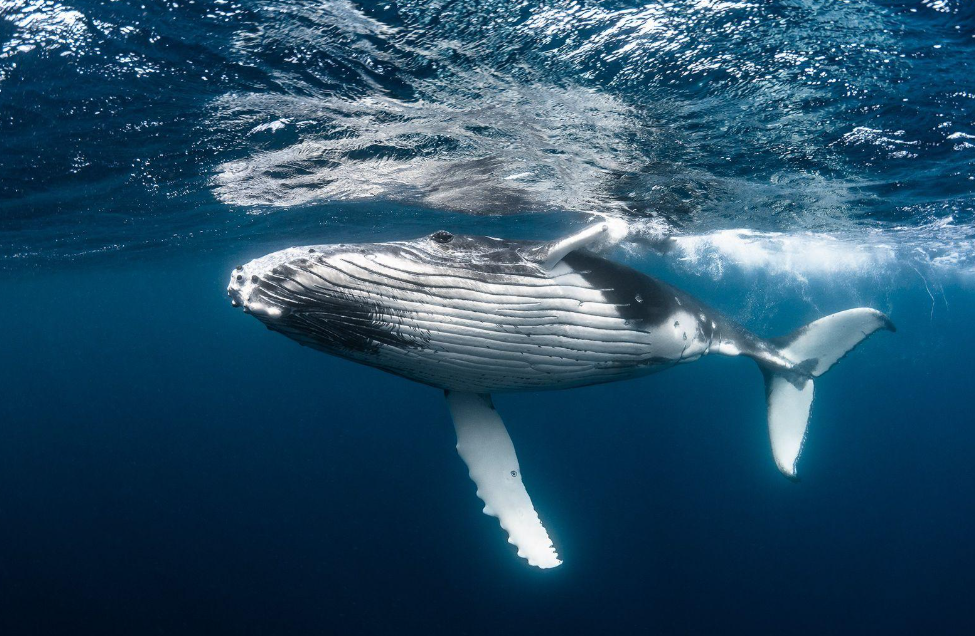
Learn how scientists track returning humpback whales in Samaná Bay using photo-identification records, long-term monitoring, and multi-year sightings.
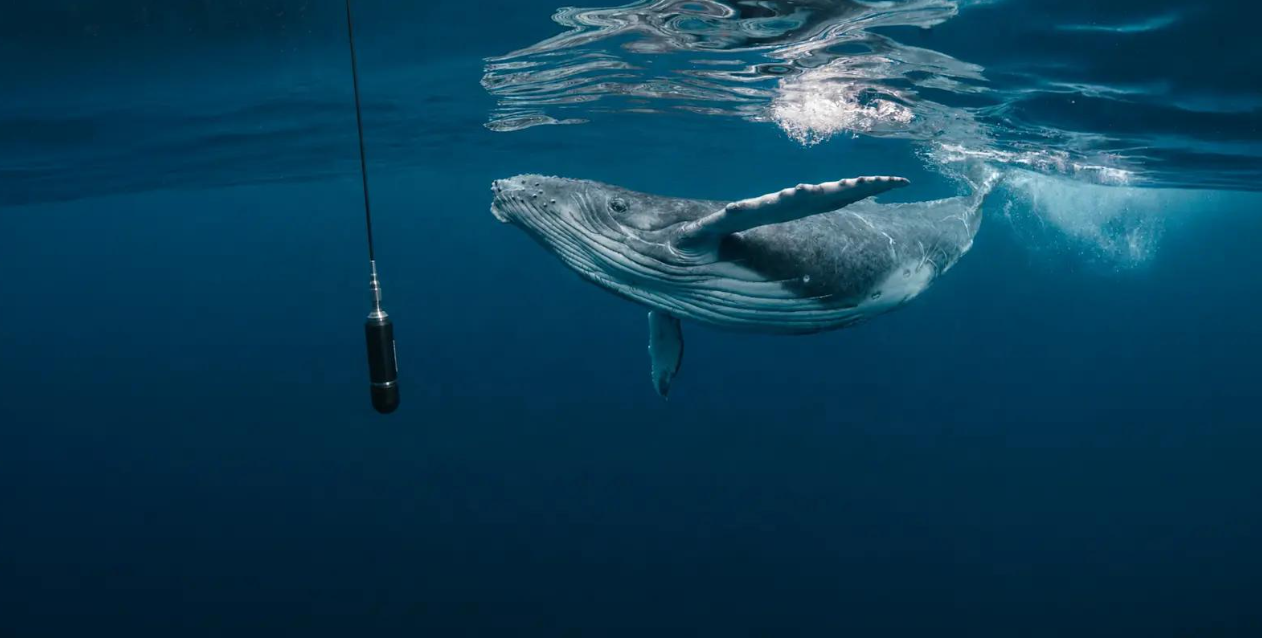
Discover how researchers estimate humpback whale stays in Samaná Bay using repeated sightings, photo-identification records, and observation data.
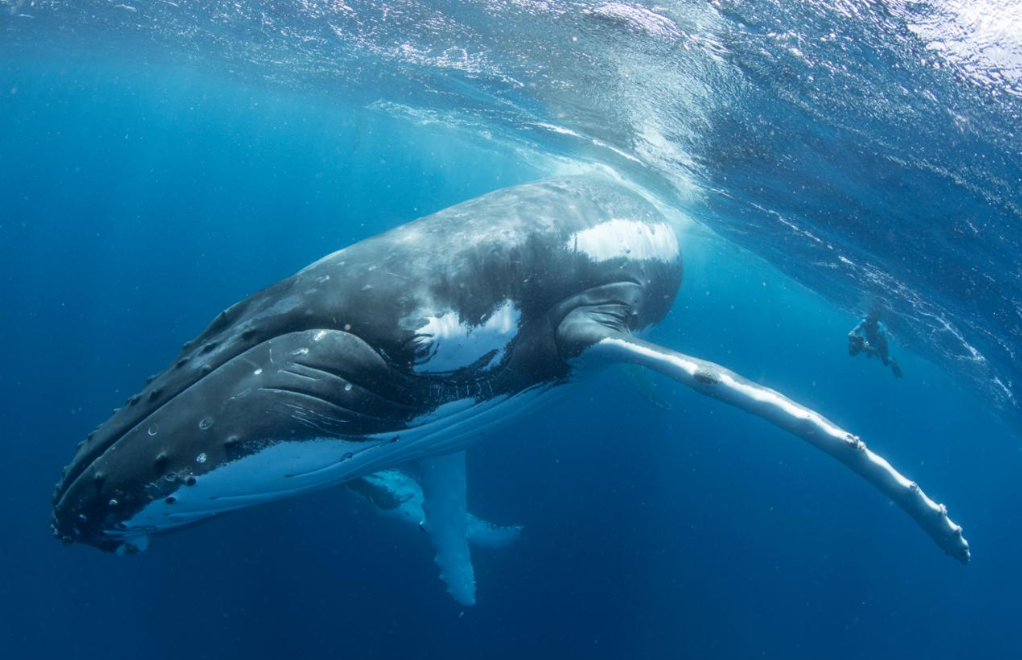
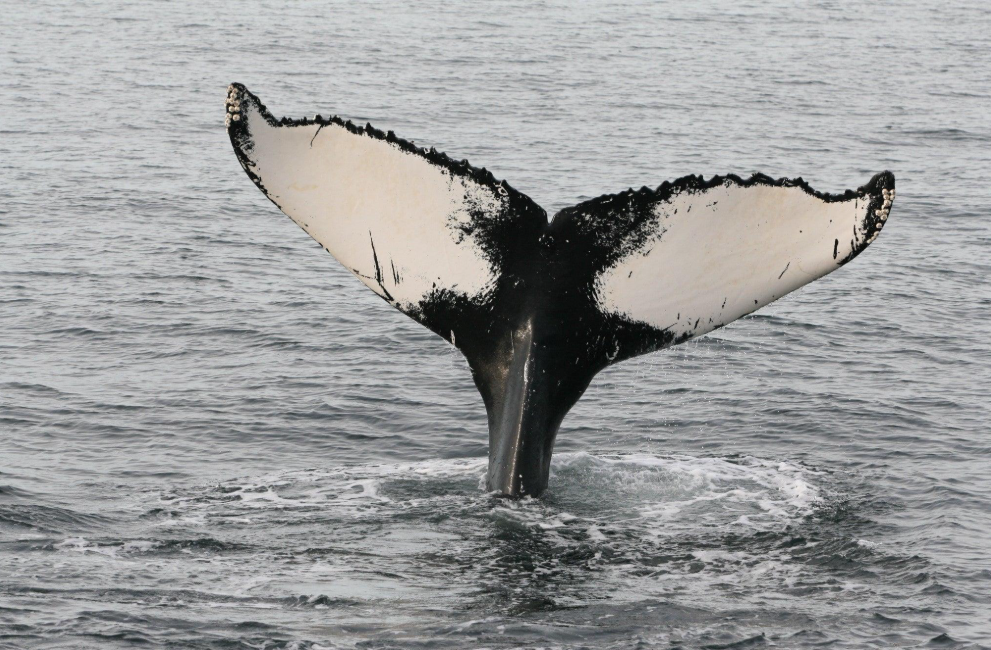
Learn how scientists use tail-fluke patterns, scars, and photo catalogs to match humpback whale sightings across different days.
Discover humpback whale watching in Samaná Bay with Booking Adventures. Explore tours from Sabana de la Mar, local guides, reviews and Cayo Levantado trips.
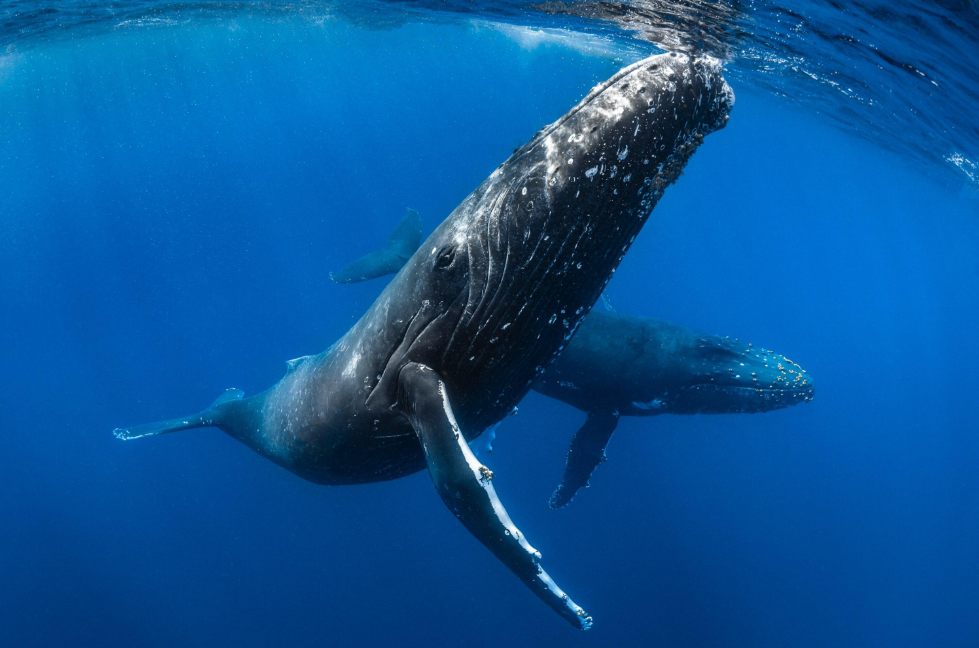
Discover how scientists study individual humpback whale voices, compare acoustic recordings, and connect underwater sounds with known whales.
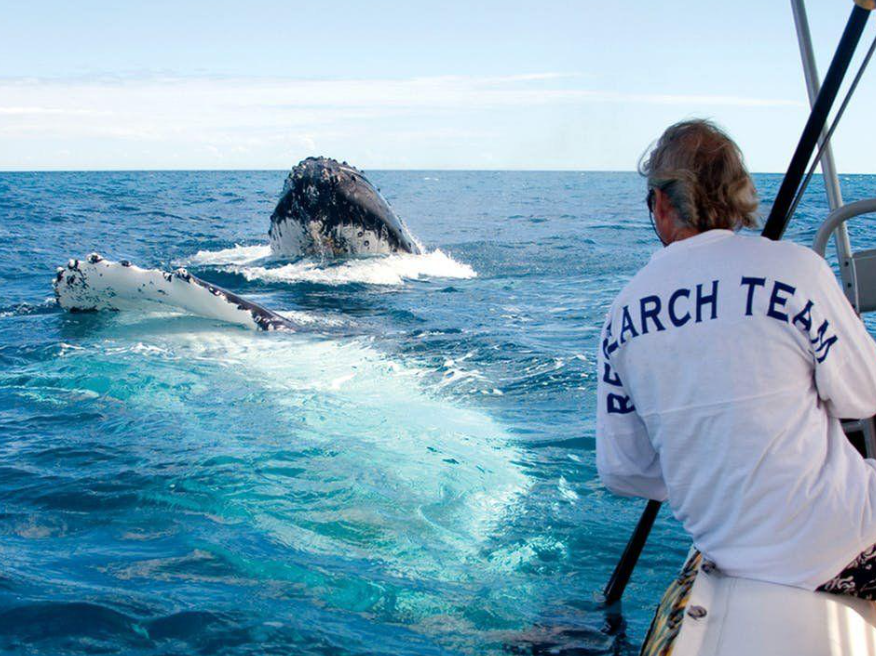
Discover how scientists use hydrophone arrays, synchronized recordings, and sound arrival times to estimate humpback whale locations underwater.
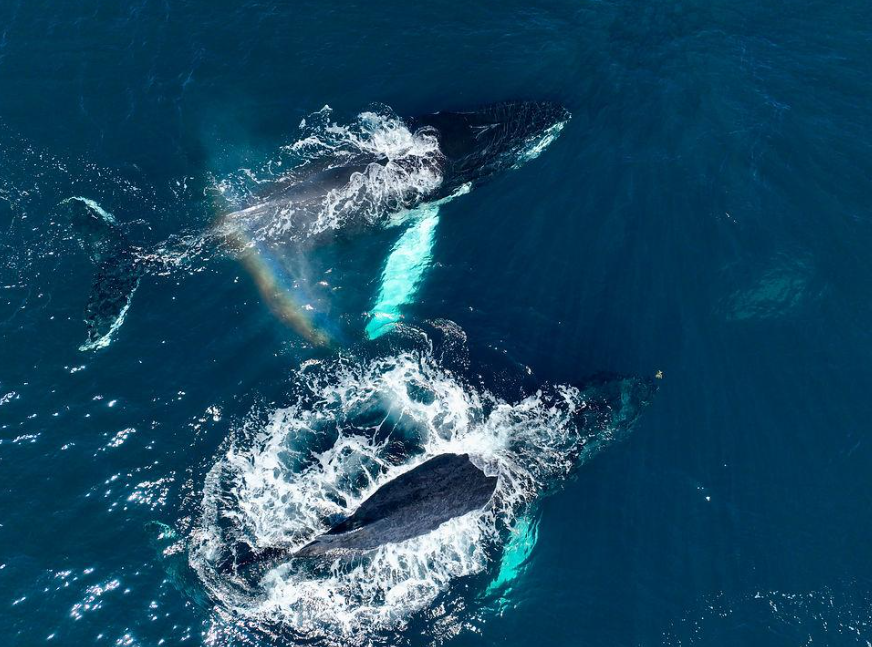
Learn how far humpback whale sounds may travel underwater and how scientists estimate detection distance using sound levels, ocean conditions, and hydrophones.
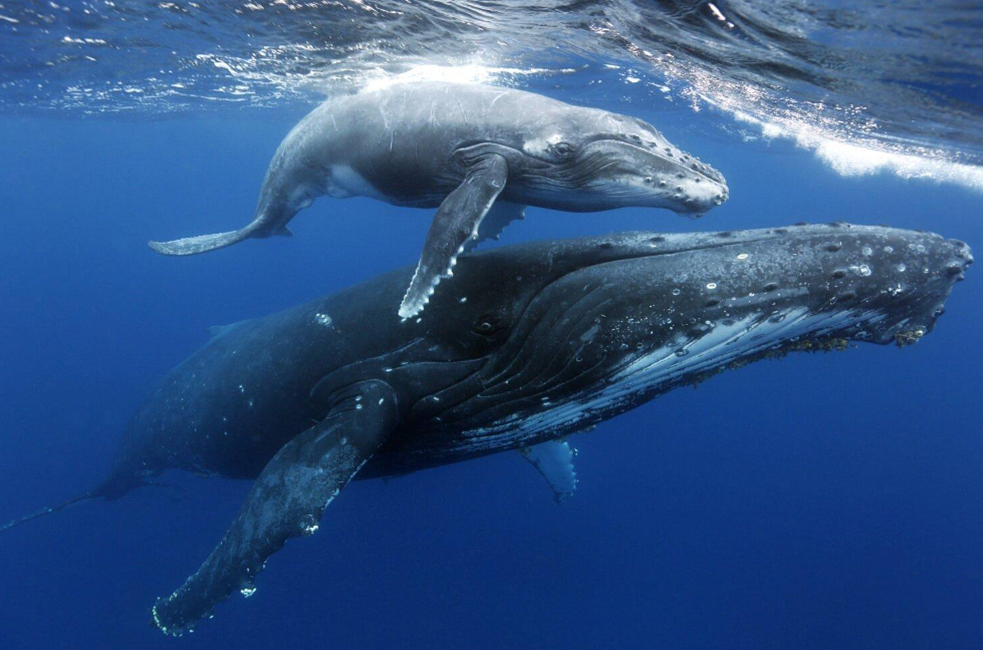
Discover how scientists distinguish humpback whale songs from other underwater sounds using acoustic patterns, spectrograms, and careful recording analysis.
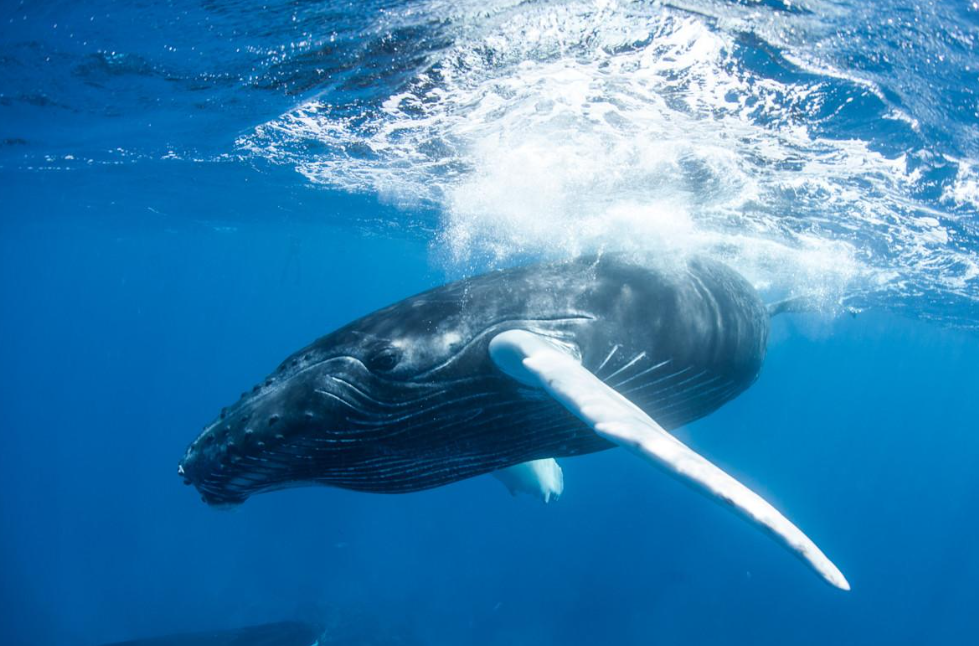
Learn how scientists measure humpback whale song complexity by studying sound variety, repetition, sequence structure, and acoustic patterns.
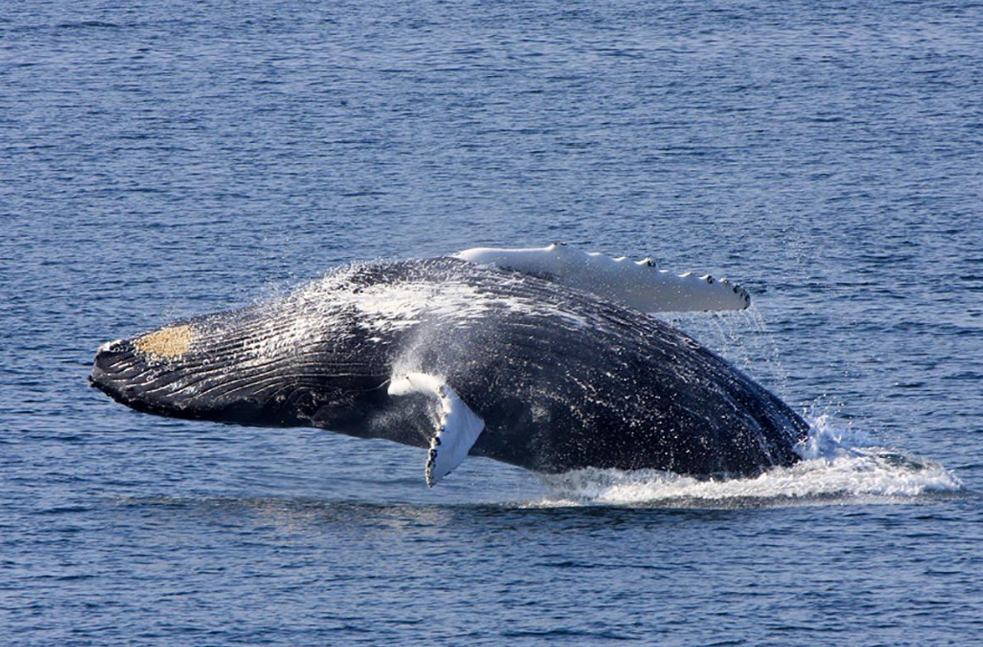
Discover how scientists compare humpback whale songs across regions, identify acoustic differences, and investigate regional song patterns.
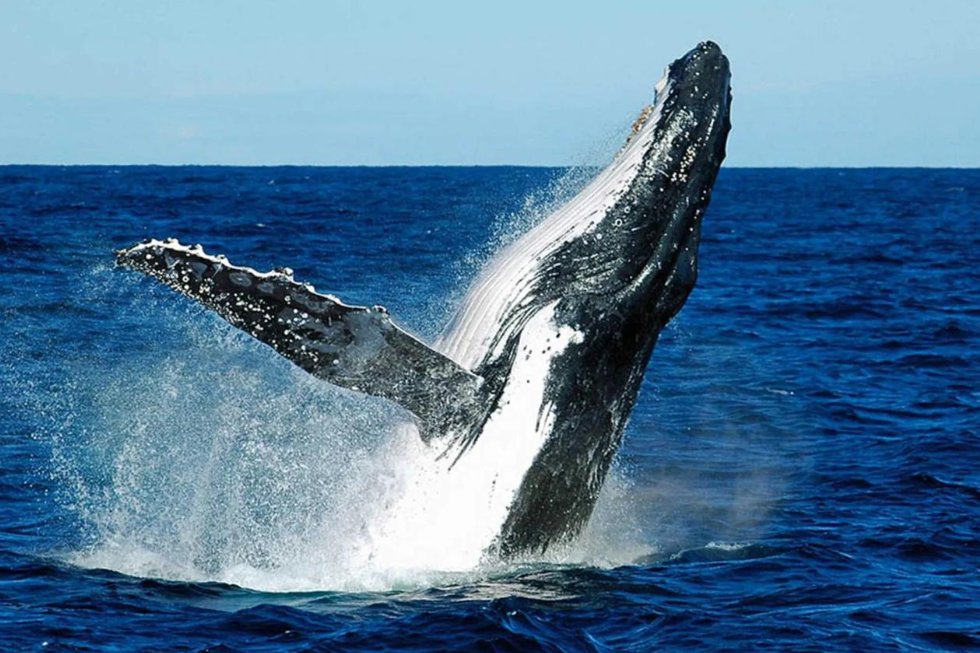
Learn how scientists track humpback whale song patterns between populations using acoustic recordings, geographic comparisons, and evidence of song sharing.
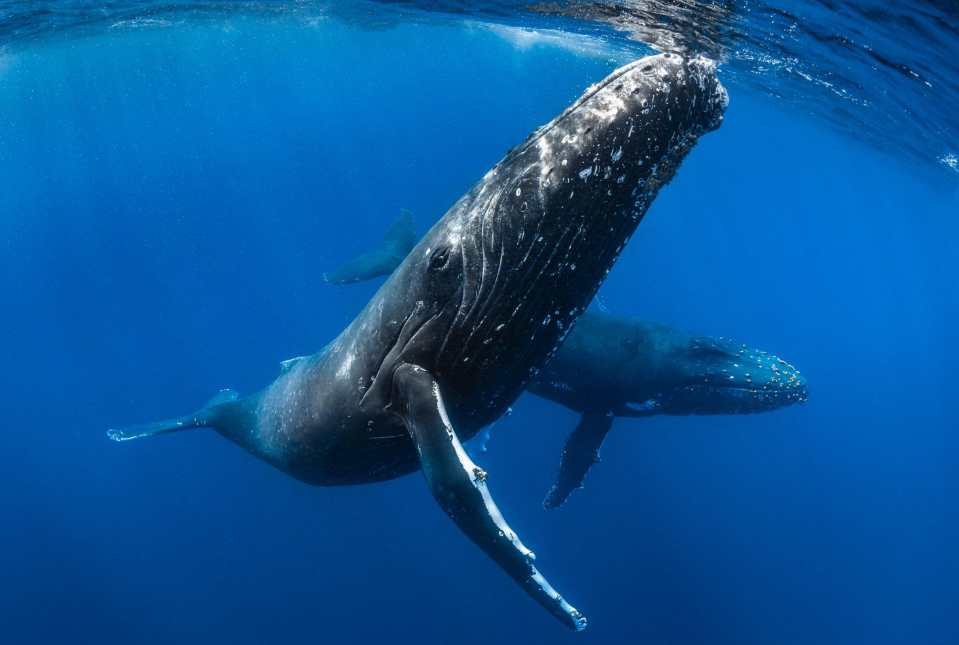
Discover how scientists compare humpback whale songs across breeding seasons using long-term recordings, acoustic analysis, and consistent research methods.
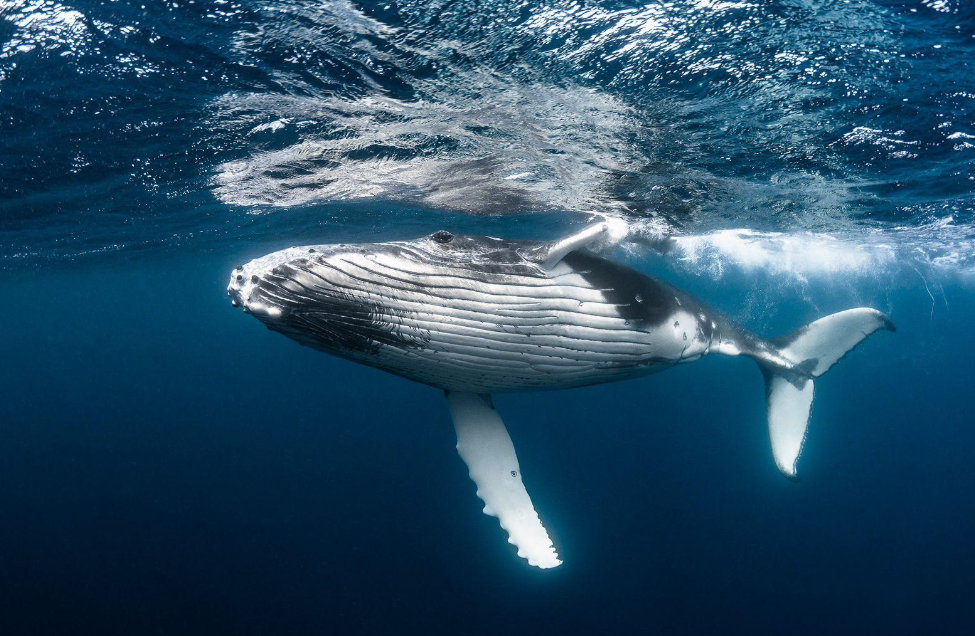
Discover how humpback whales regulate body temperature with blubber, circulation, and heat exchange while visiting warm breeding waters such as Samaná Bay.
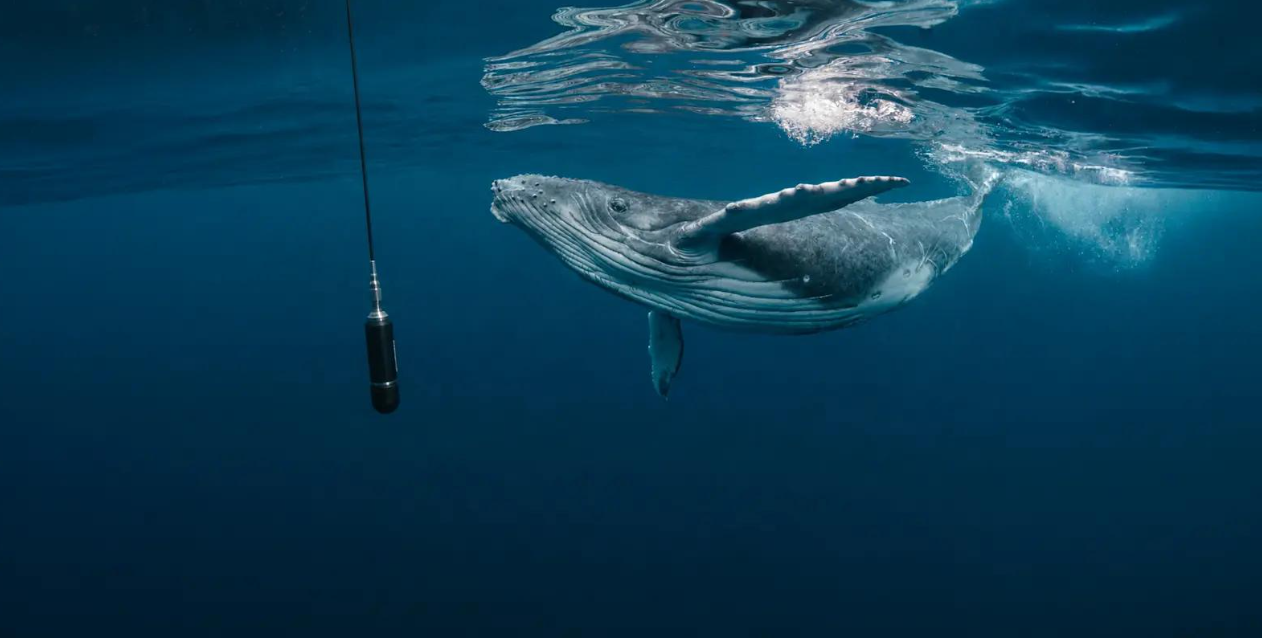
Discover how humpback whales maintain their skin, shed old skin cells, and cope with life in seawater, with insights for whale watchers visiting Samaná Bay.
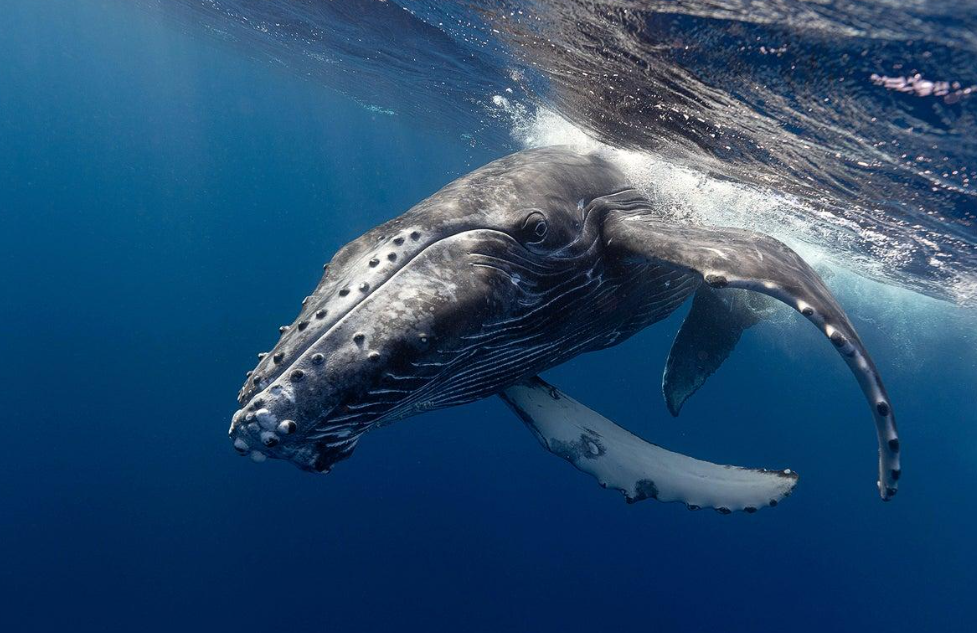
Discover why humpback whales roll over at the surface, what this movement may reveal, and how to observe whale behavior responsibly in Samaná Bay.
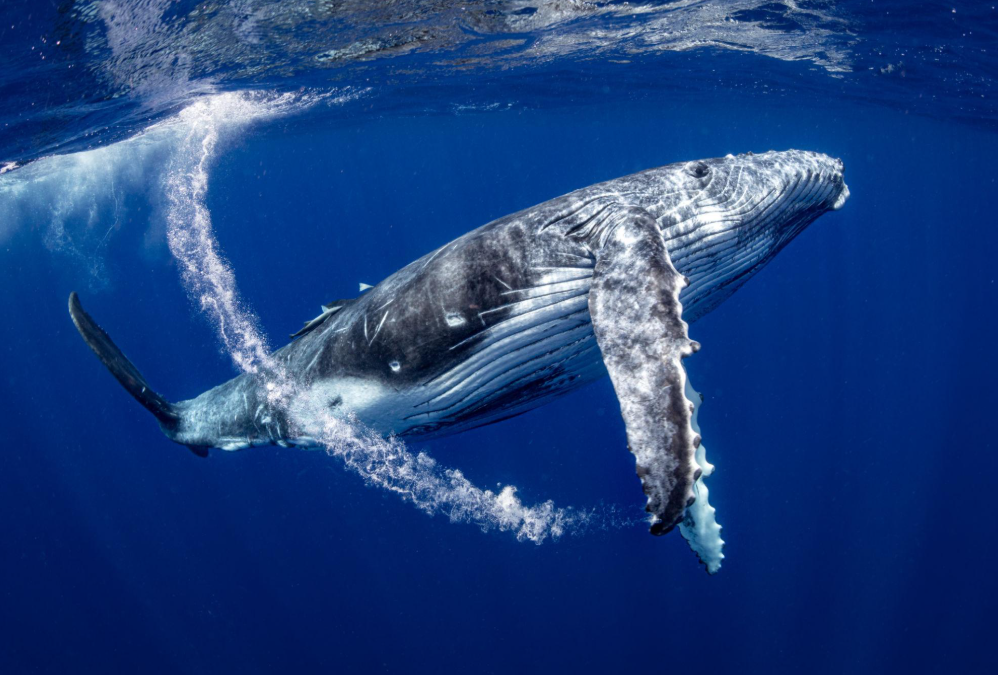
Learn why humpback whales slap the water with their long pectoral fins, what this behavior may mean, and how to observe whales responsibly in Samaná Bay.
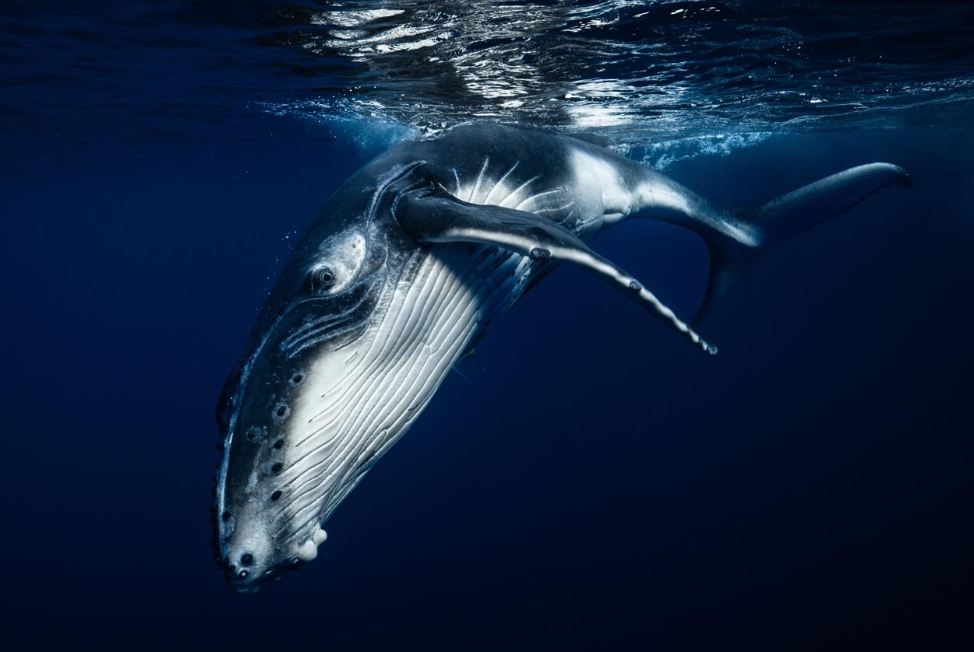
Discover why humpback whales may create bubbles underwater in Samaná Bay, what bubble trails can mean, and how to observe whale behavior responsibly.
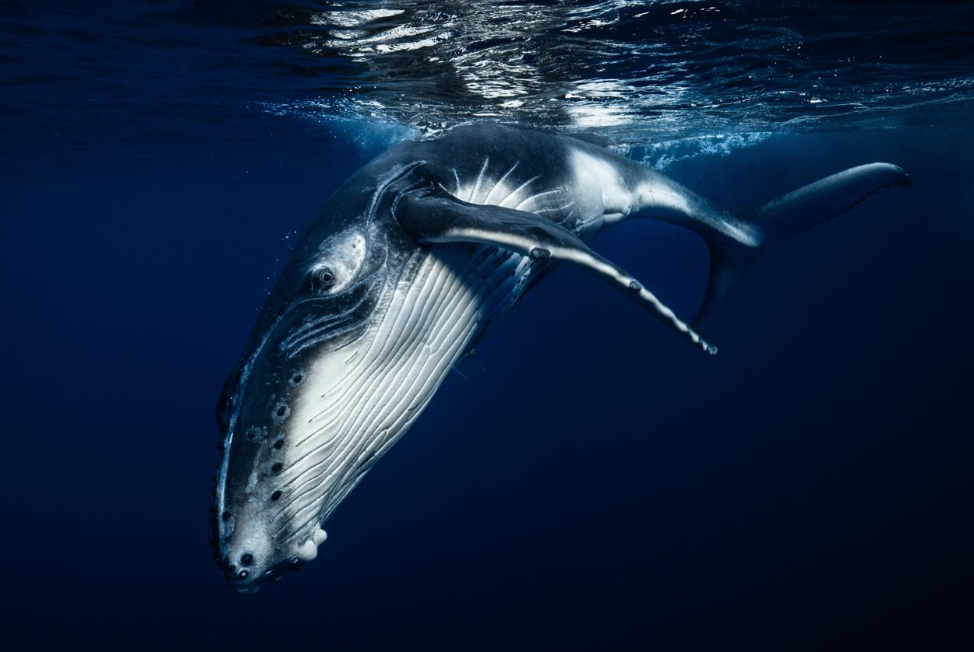
Discover why a humpback whale may appear to swim with its mouth partly open, how to interpret this observation, and what whale watchers can see in Samaná Bay.
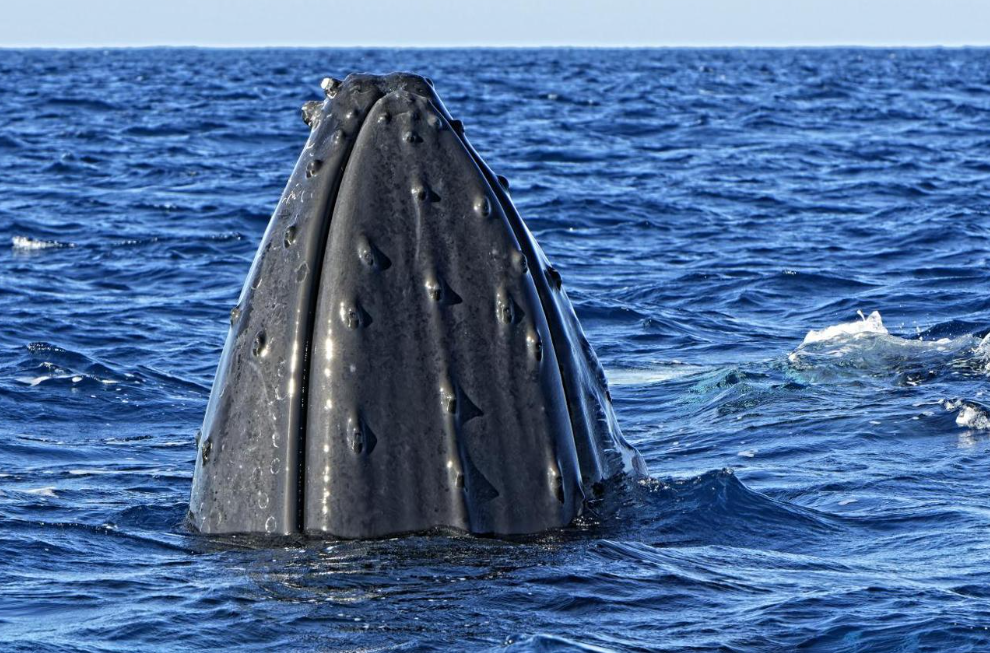
Discover why humpback whales sometimes open their mouths at the surface, how feeding differs from other behaviors, and what whale watchers may observe in Samaná Bay.
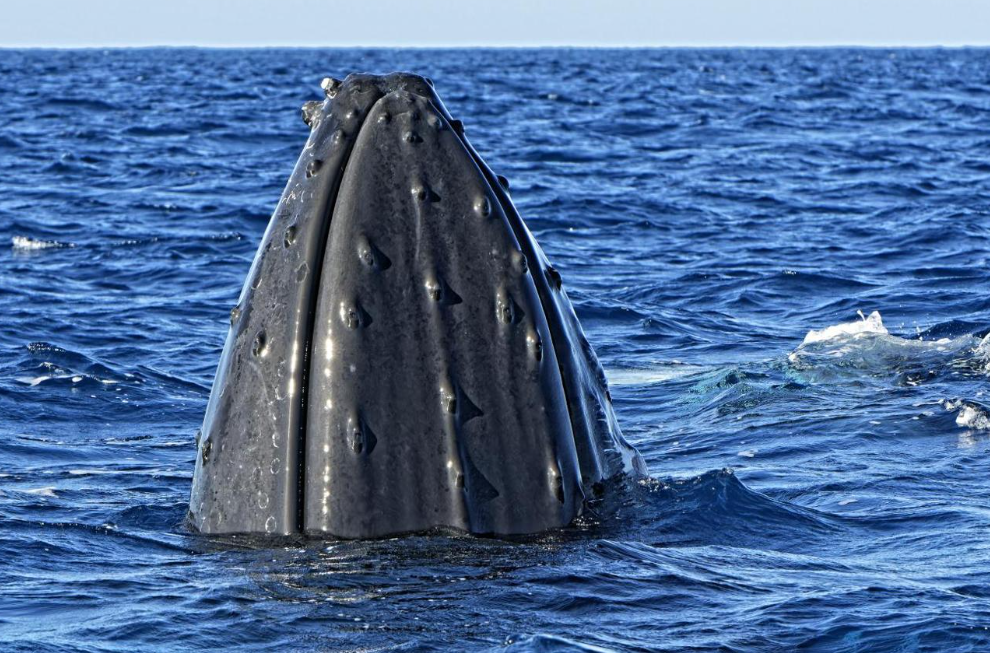
Learn why humpback whale blows look different, how wind and viewing conditions affect the spray, and what whale watchers may observe in Samaná Bay.
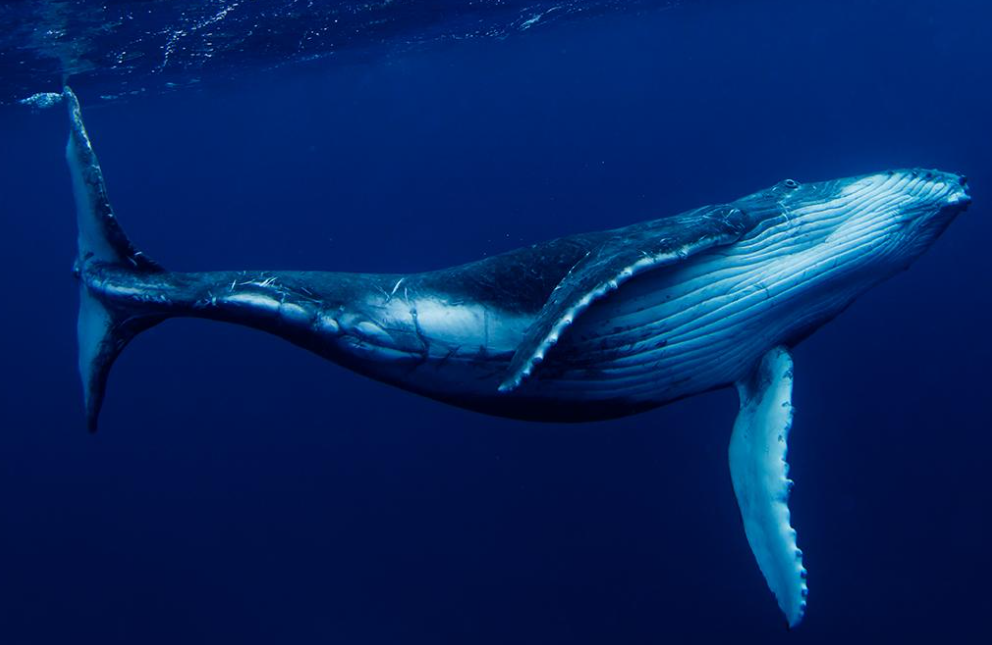
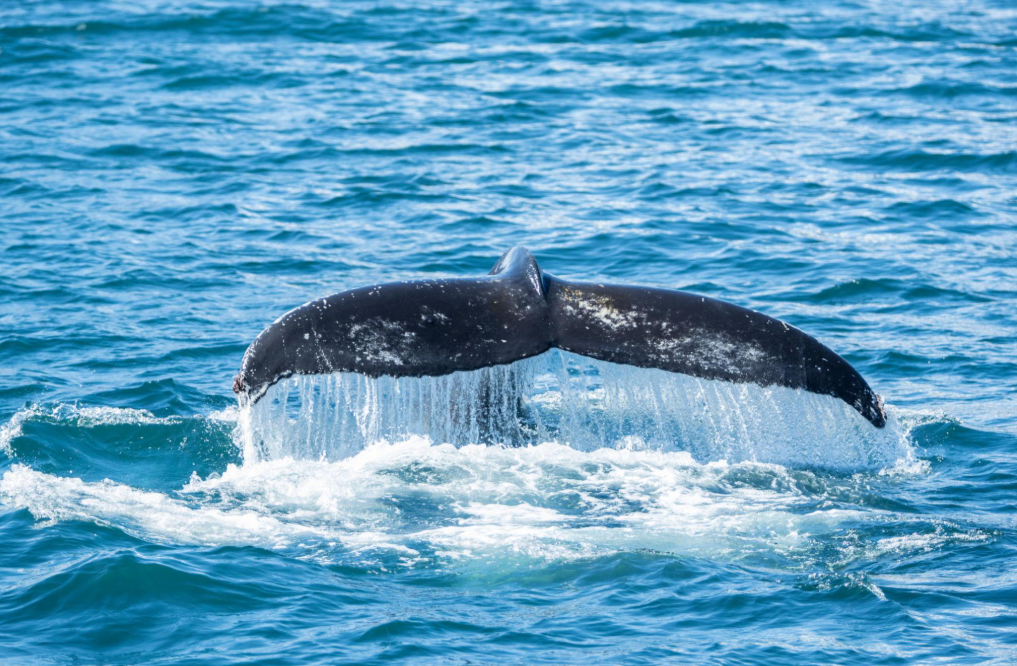
Discover why humpback whales sometimes lift their tail flukes without immediately diving, what observers can learn from their movements, and how to watch whales responsibly in Samaná Bay.
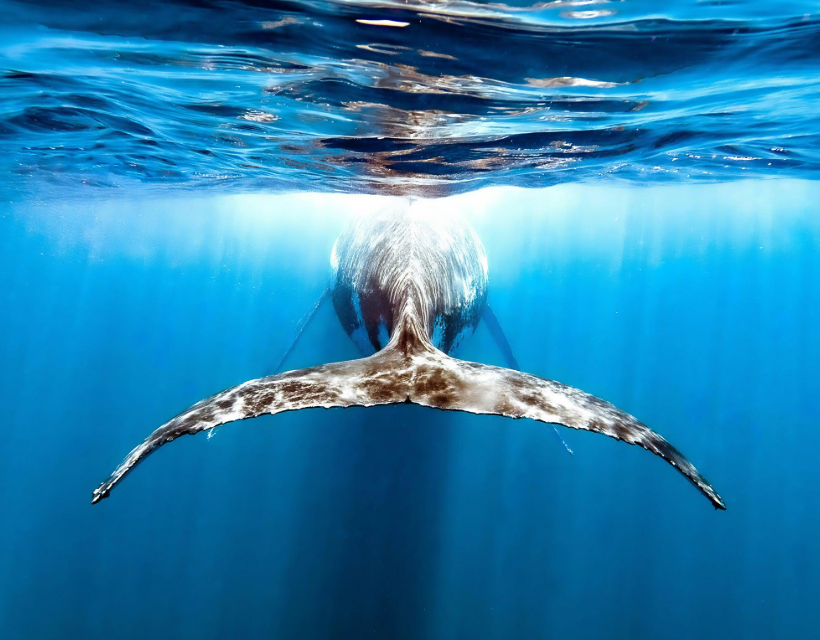
Learn why humpback whales slap their pectoral fins against the water, how fin slapping differs from tail slapping, and what whale watchers may observe in Samaná Bay.
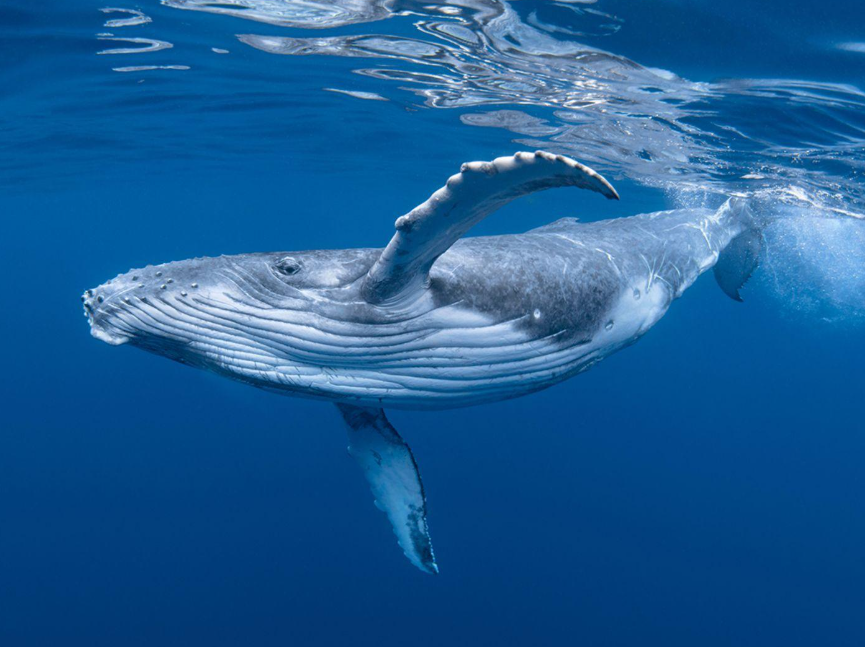
Discover why humpback whales sometimes expose their bellies in Samaná Bay, what their body positions may mean, and how to observe them responsibly.
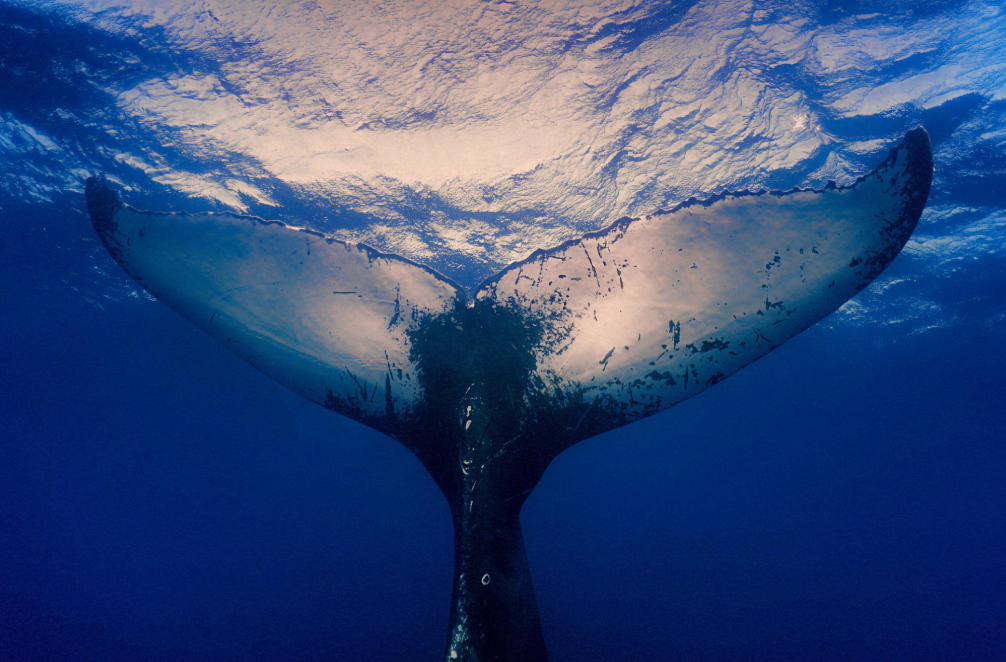
Discover why humpback whales sometimes tilt, roll, or swim on their sides, what these movements may indicate, and what visitors can observe in Samaná Bay.
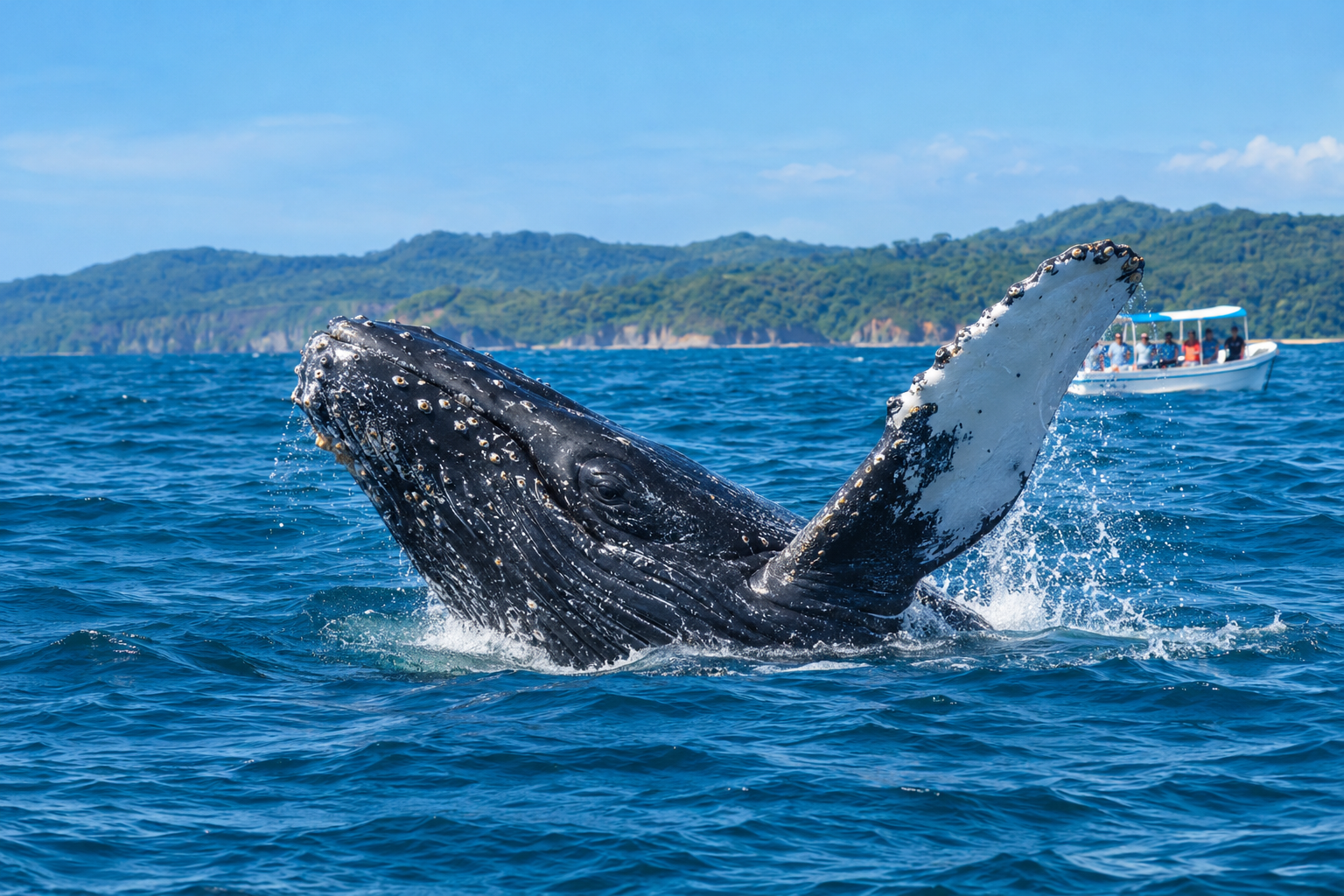
Discover why humpback whales sometimes raise their tail flukes before diving, how their bodies move underwater, and what whale watchers may observe in Samaná Bay.
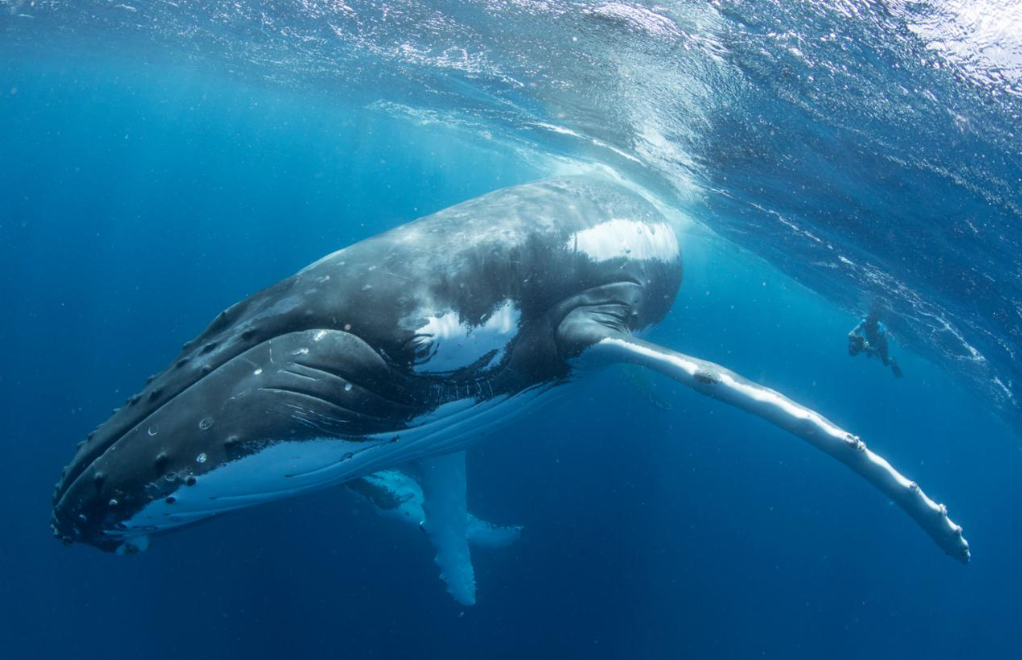
Learn how humpback whales use body movements, fin displays, breaching, and surface behaviors, and what visitors may observe during whale watching in Samaná.
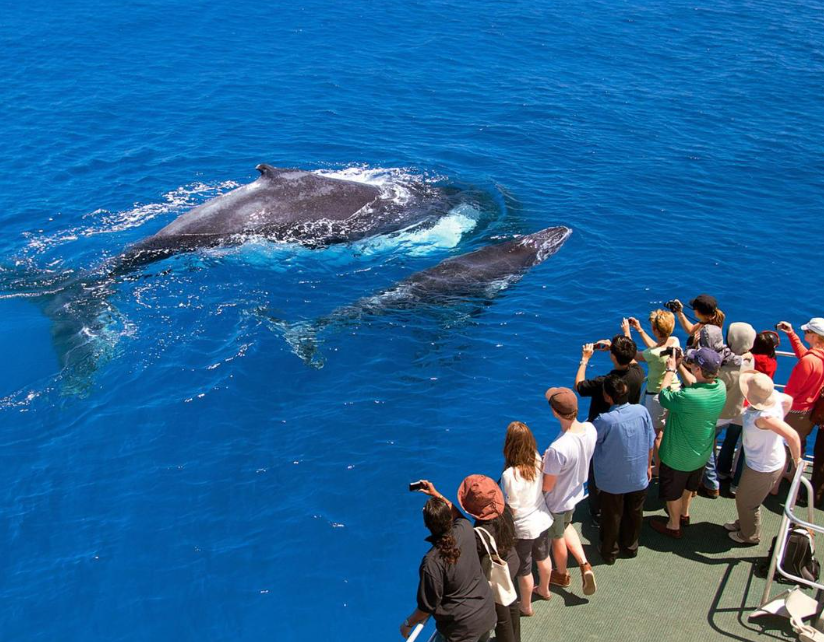
Discover how humpback whales use baleen plates to filter krill and small fish, how their feeding process works, and what it means for whale watching in Samaná.
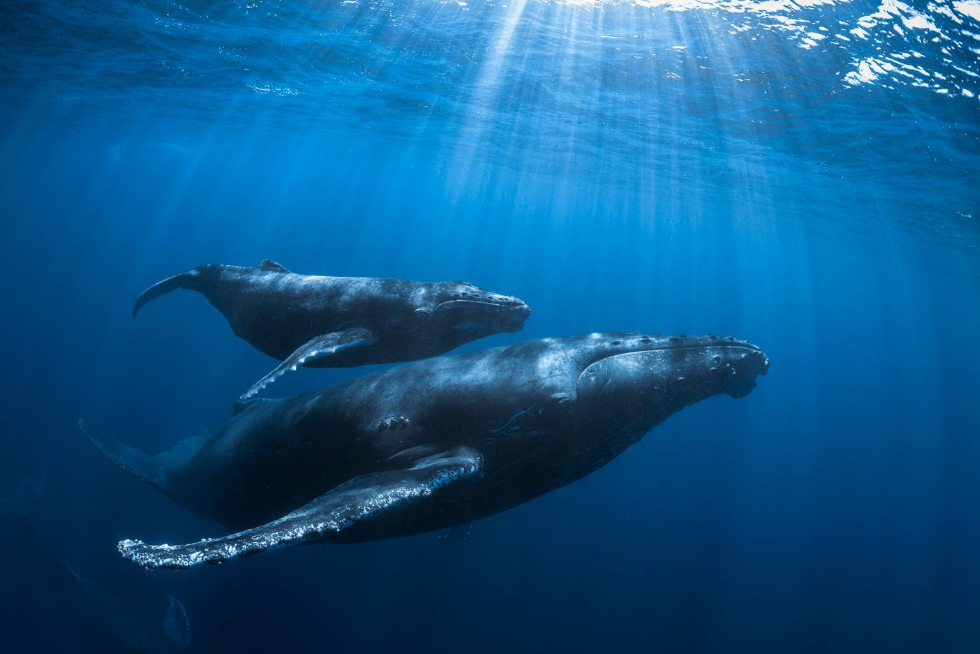
Discover why humpback whales have bumps on their heads, what tubercles contain, and how these unusual features help explain whale anatomy during Samaná whale watching.
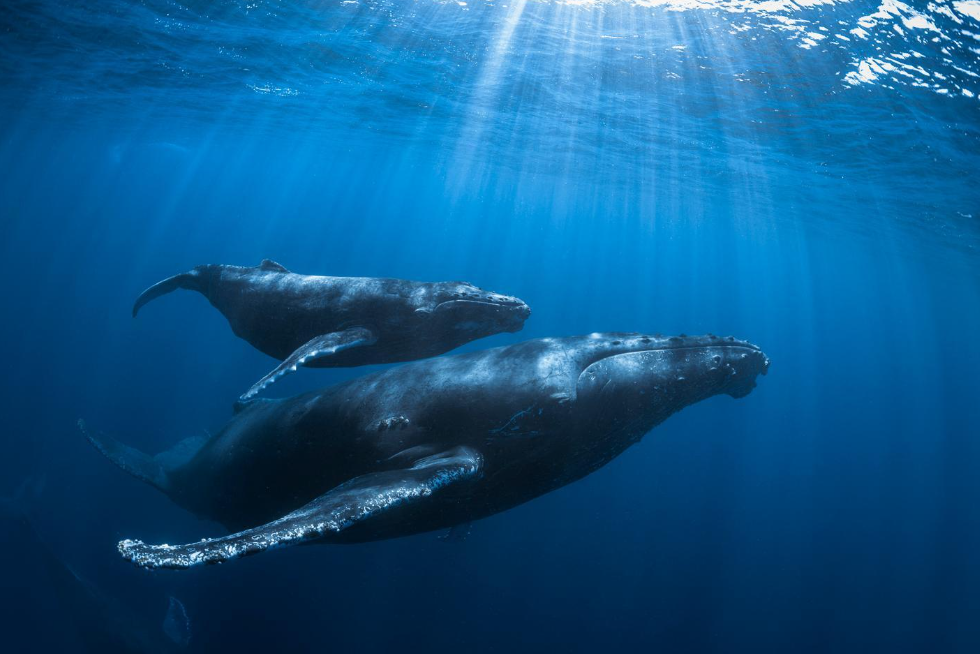
Learn how to recognize humpback whales by their dorsal fins, back shape, and other visible features during a whale-watching trip in Samaná Bay.
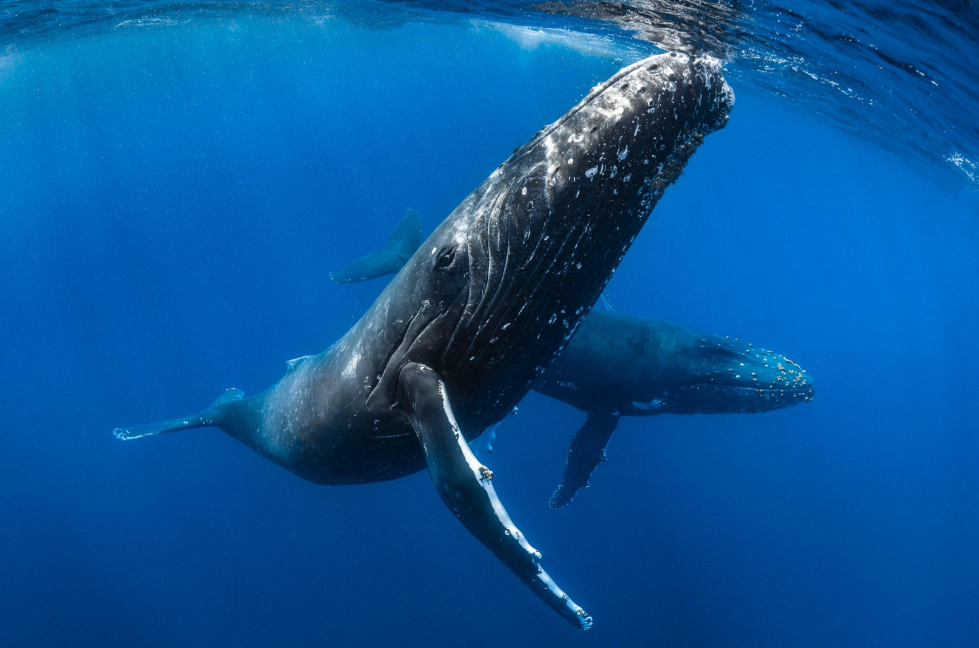
Discover why humpback whales have unusually long pectoral fins, how their flippers help them maneuver, and what to look for during Samaná whale watching.
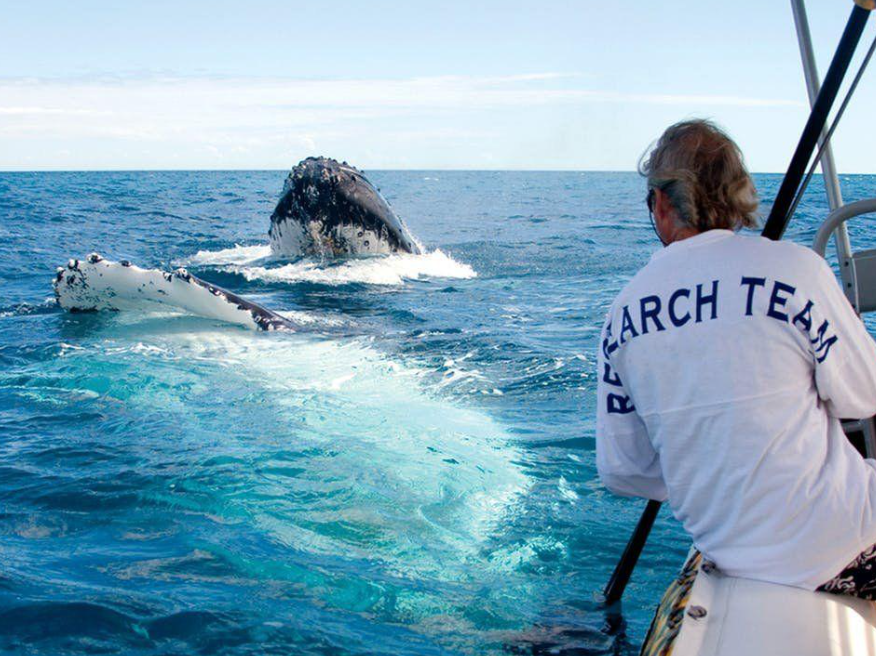
Learn why humpback whales have expandable throat pleats, how these folds support filter feeding, and what visitors can discover about whale anatomy in Samaná.
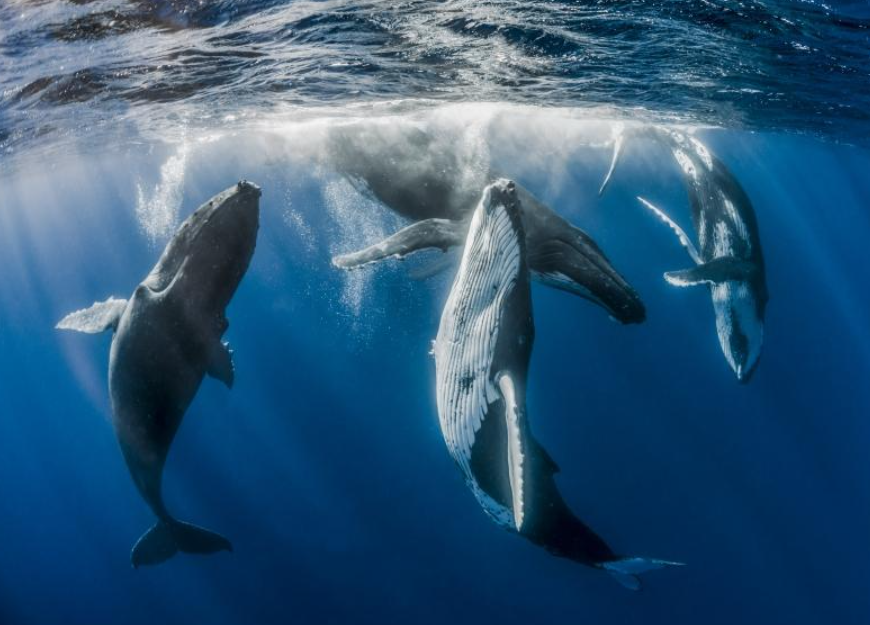
Discover how humpback whales rest underwater, manage their breathing, and conserve energy during the breeding season in Samaná Bay, Dominican Republic.
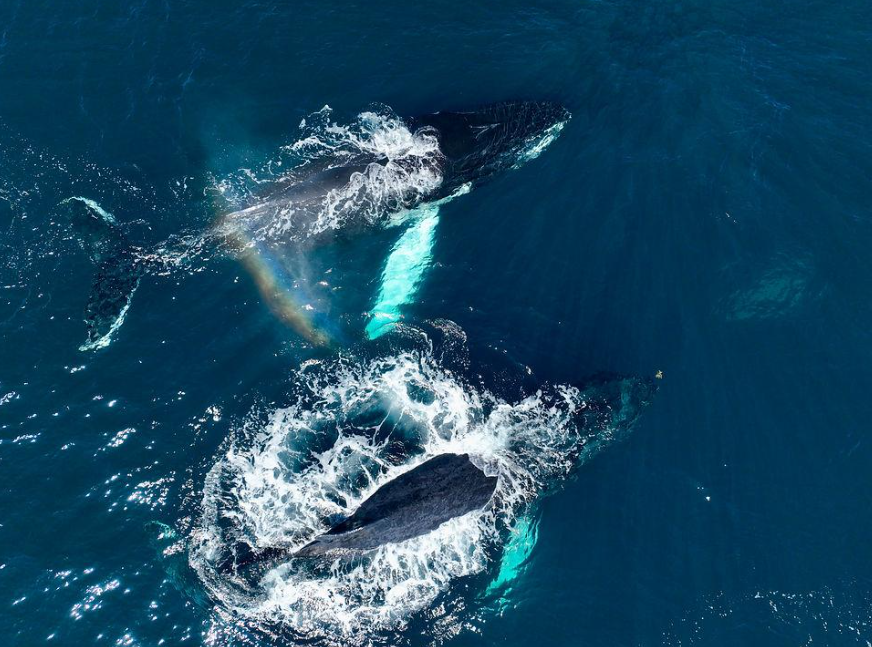
Discover how humpback whale calves in Samaná develop swimming skills, stay close to their mothers, nurse, and prepare for life in the open ocean.
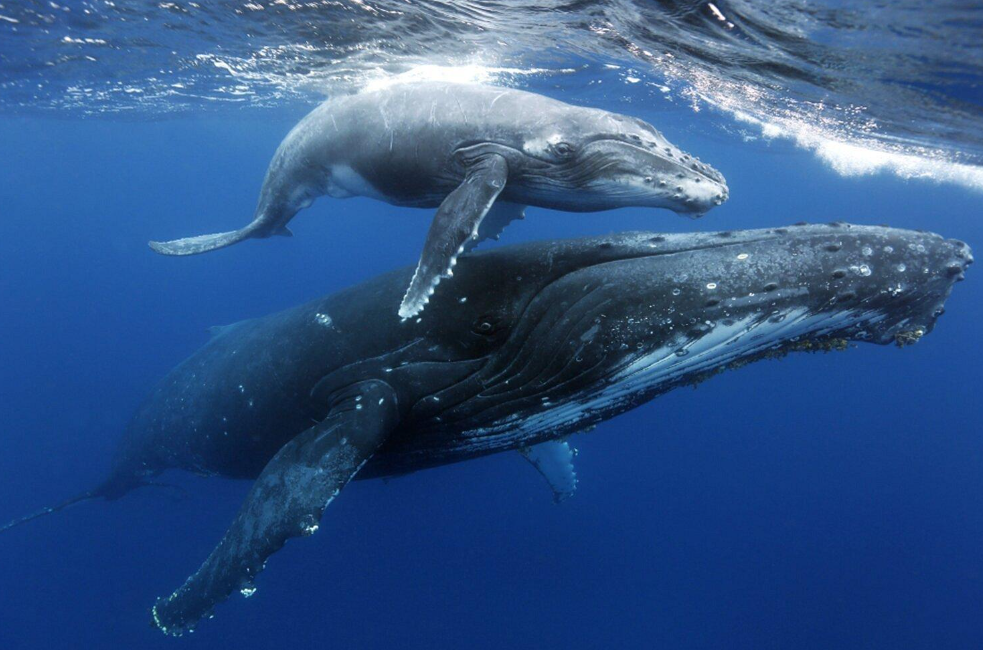
Discover how humpback whales navigate across oceans, migrate to breeding areas, and return to places such as Samaná Bay in the Dominican Republic.
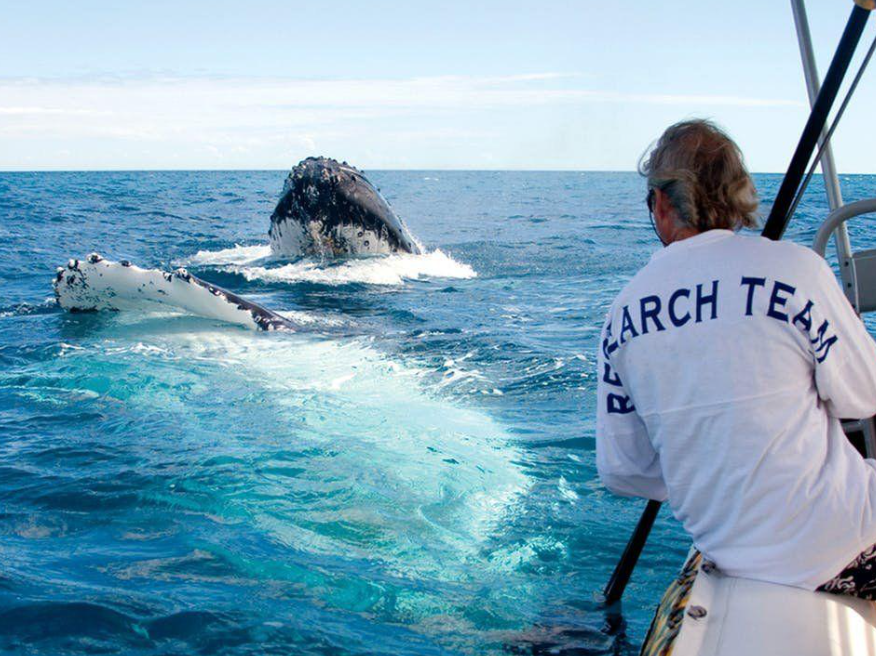
Discover why humpback whales make sounds underwater, how their vocalizations support communication, and what visitors should know during whale watching in Samaná.
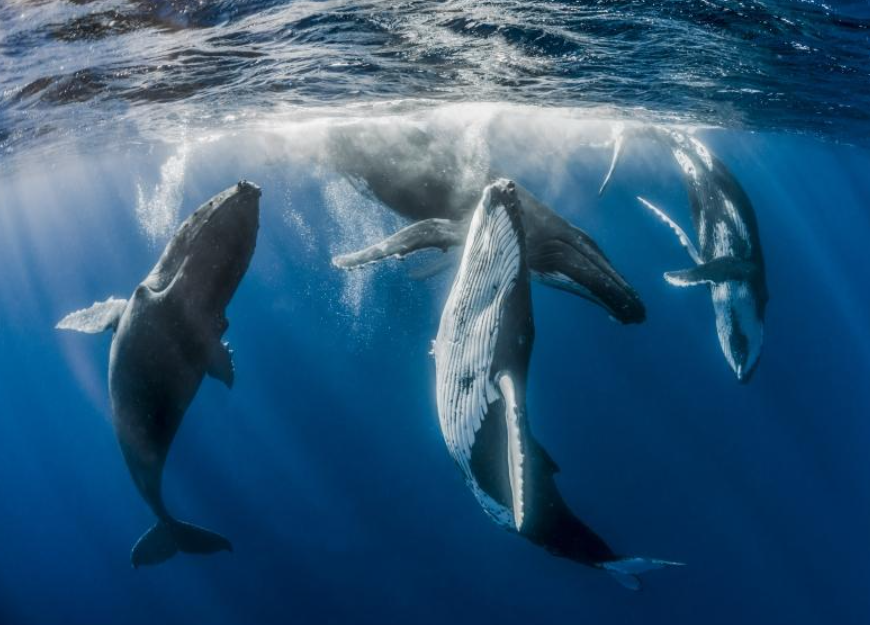
Discover what humpback whale tail patterns can reveal about individual whales, how researchers use fluke markings, and what visitors may observe in Samaná Bay.
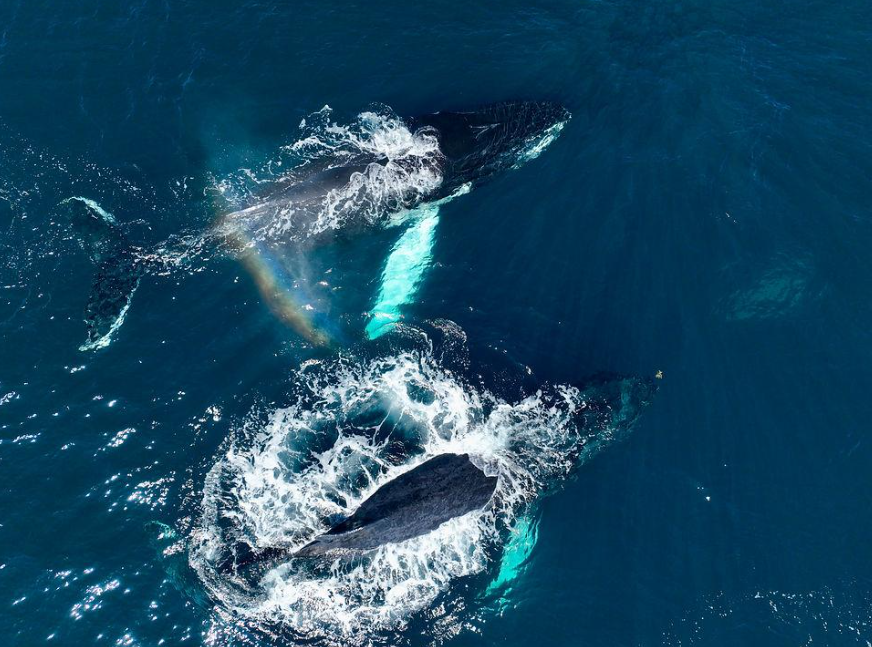
Learn how to photograph humpback whales in Samaná Bay with practical camera tips, composition ideas, and responsible whale-watching advice.
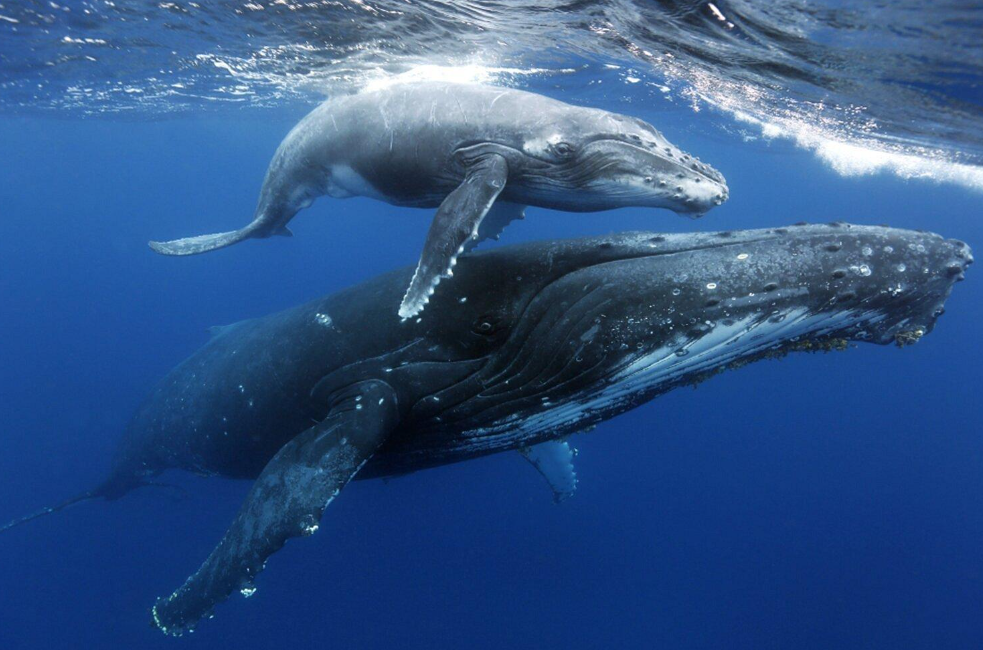
Planning whale watching from Santo Domingo? Learn how to organize transport, choose a departure point, plan your schedule and prepare for Samaná.
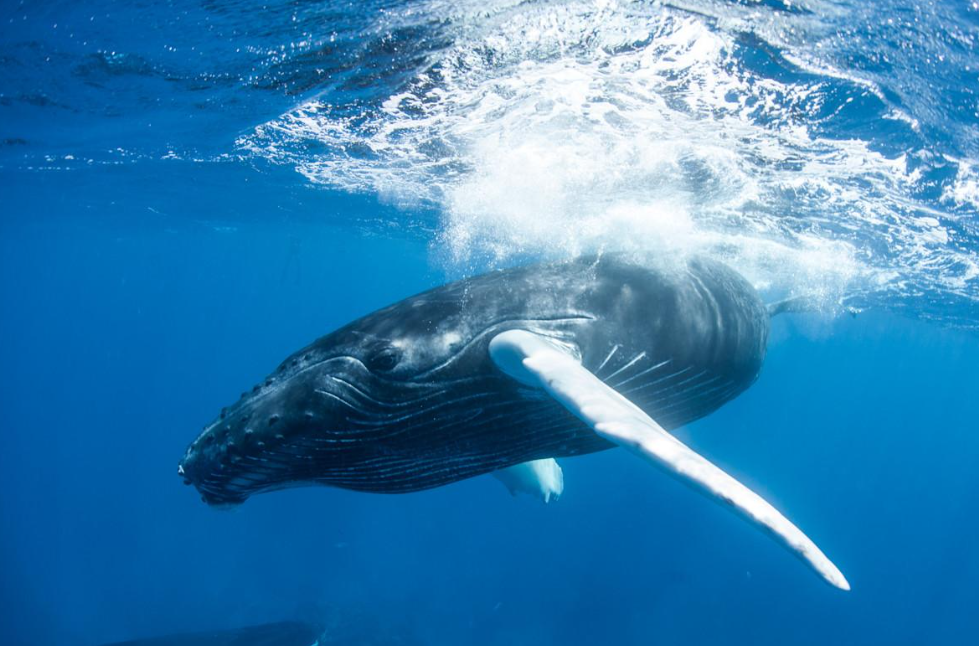
Planning a family whale-watching trip in Samaná? Learn what to check about children, boat comfort, safety, transport and tour bookings.
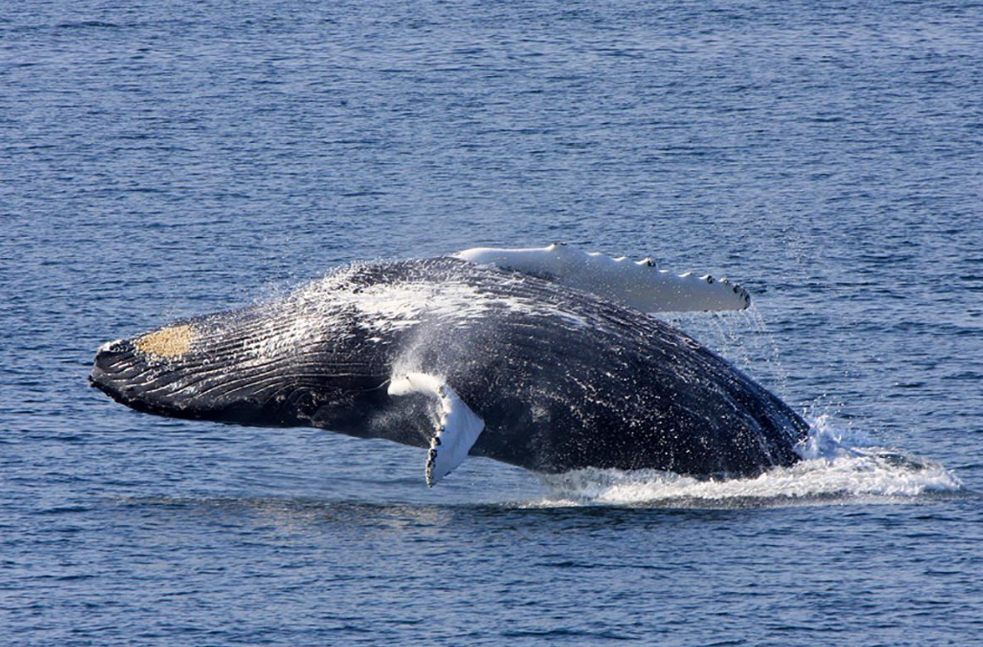
Learn how scientists estimate humpback whale energy use through movement, biomechanics, body condition, and research tracking methods.
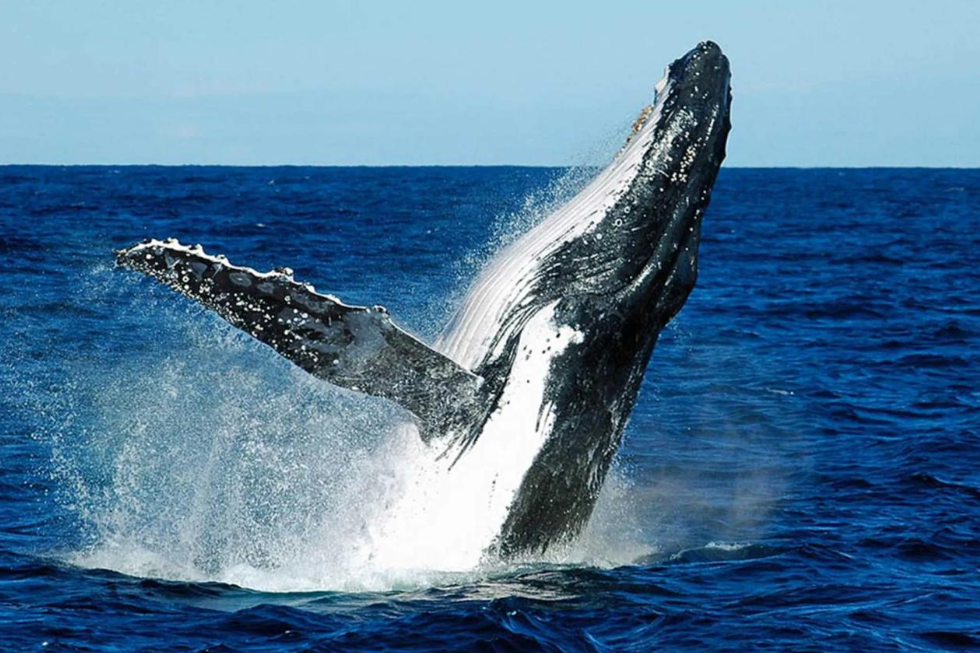
Discover how scientists measure humpback whale swimming speed using tracking data, timed observations, and underwater research methods.
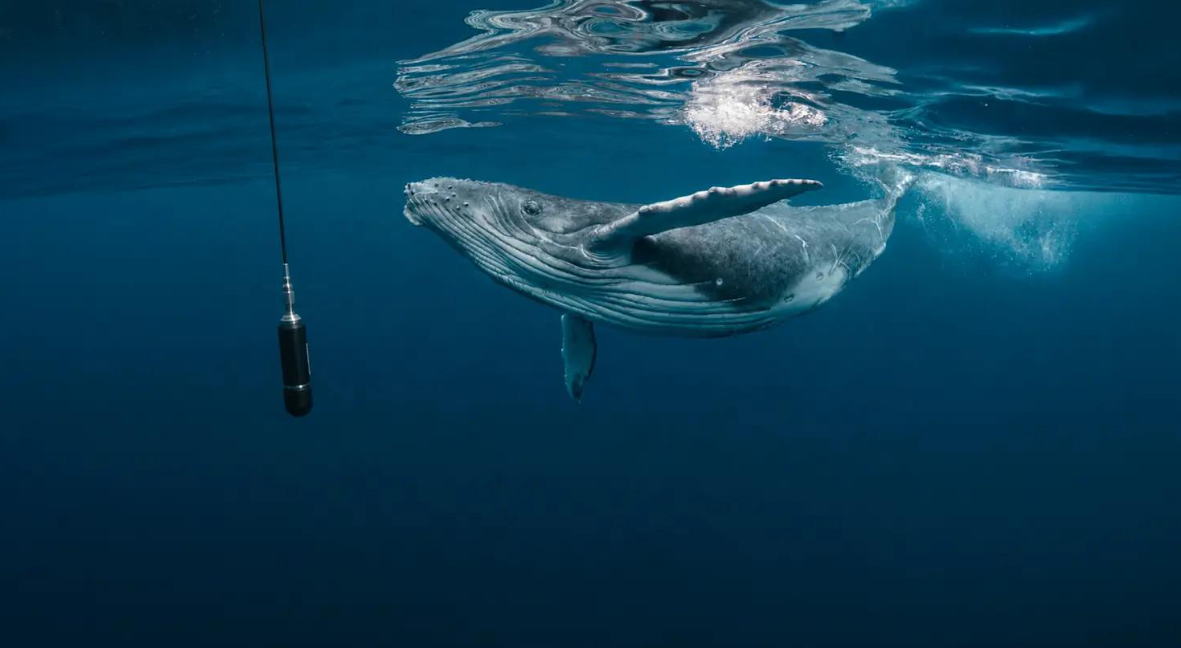
Learn how scientists use hydrophones, acoustic localization, and repeated sound observations to investigate humpback whale movement underwater.
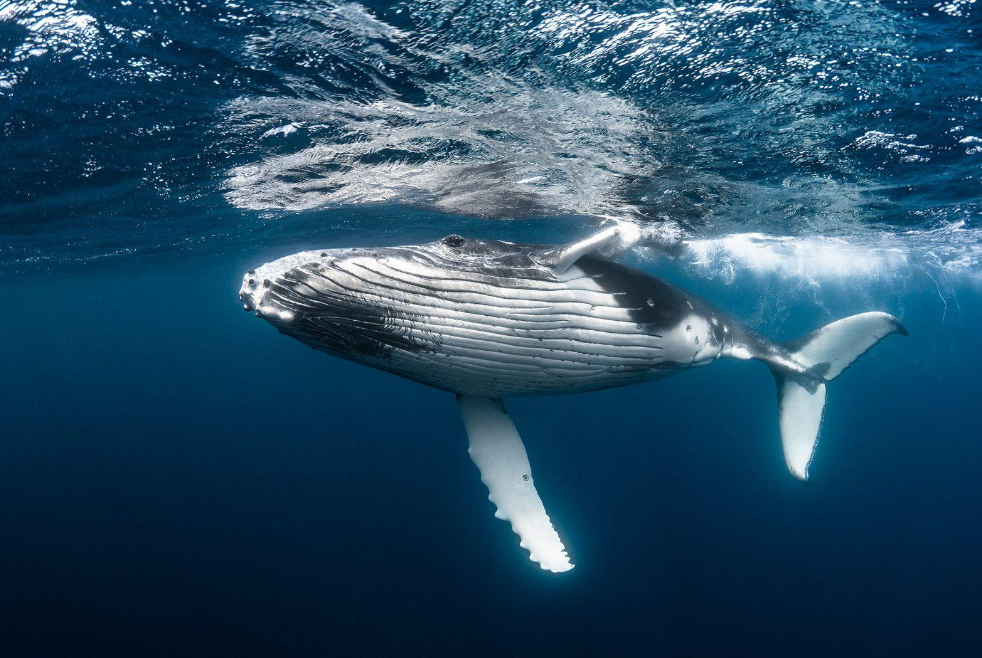
Discover how scientists estimate the depth of singing humpback whales using underwater acoustics, hydrophones, and scientific tracking methods.
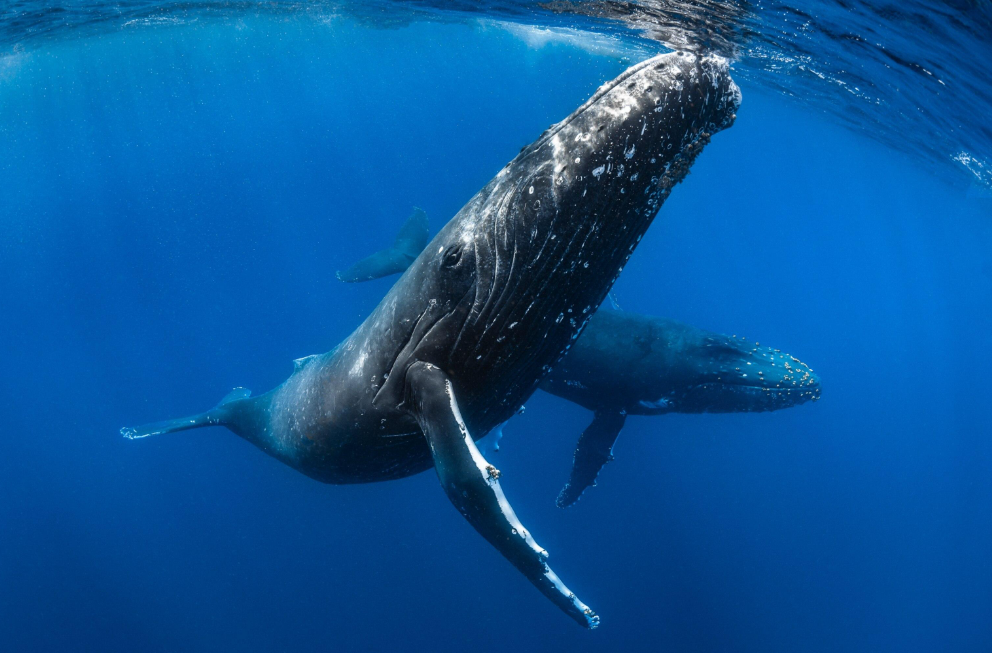
Learn how scientists estimate the distance to singing humpback whales using hydrophones, sound levels, acoustic arrays, and underwater sound propagation.
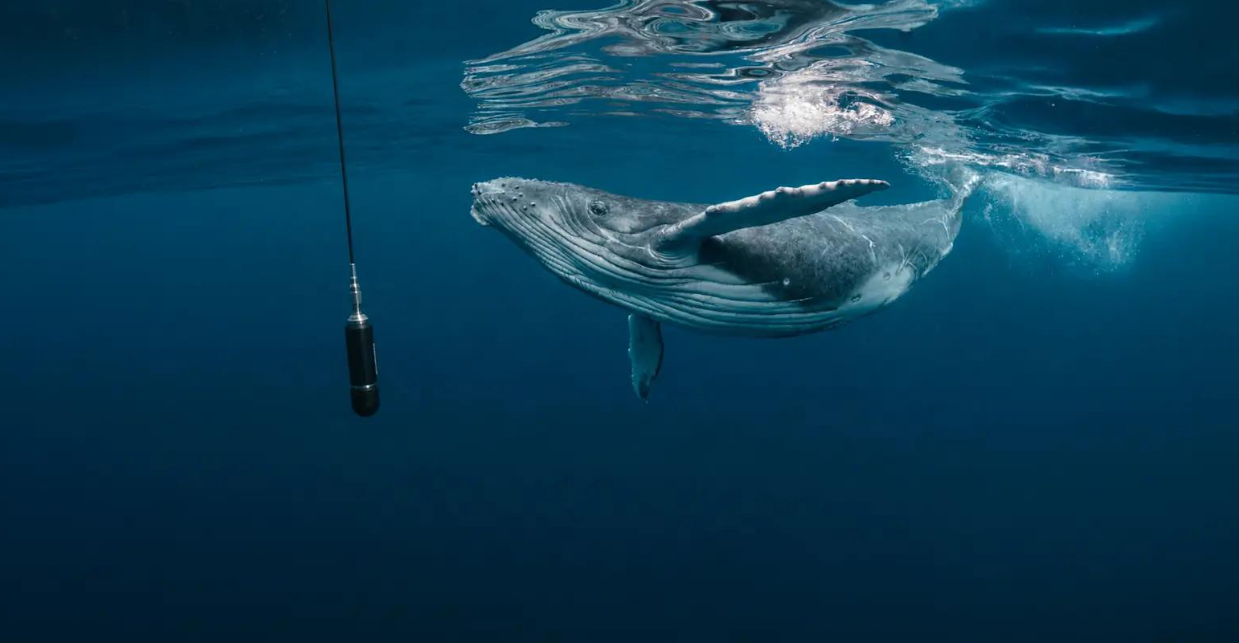
Discover how scientists identify humpback whale songs in underwater recordings and distinguish them from other marine sounds and background noise.
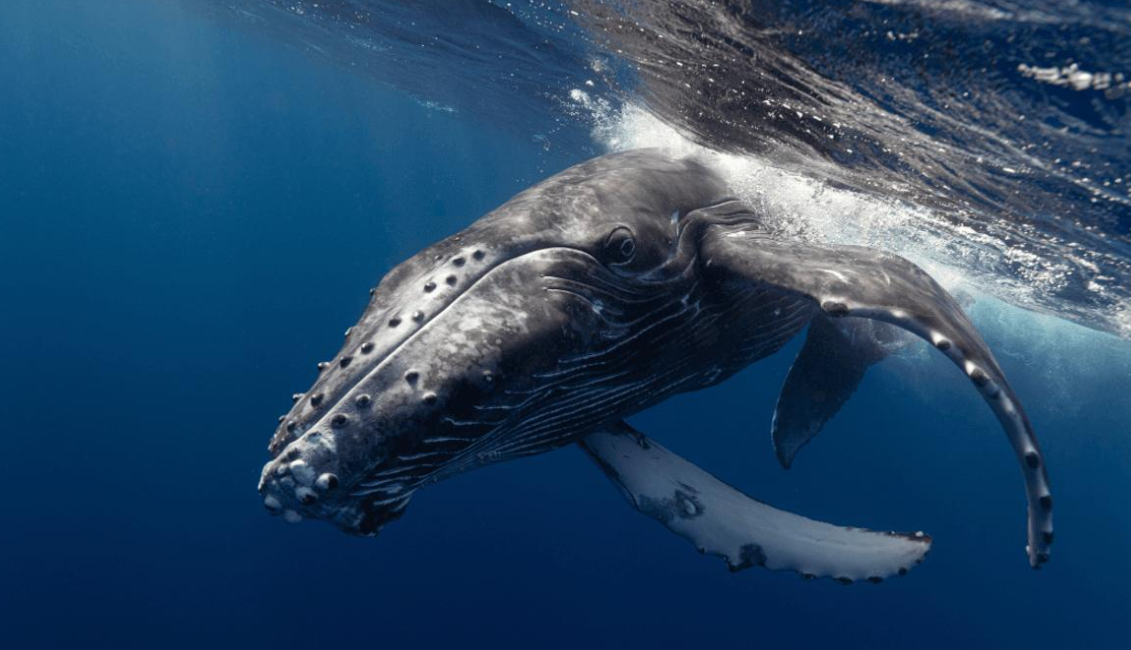
Learn how scientists measure humpback whale song complexity by analyzing sound units, phrases, repetition, timing, and acoustic structure.
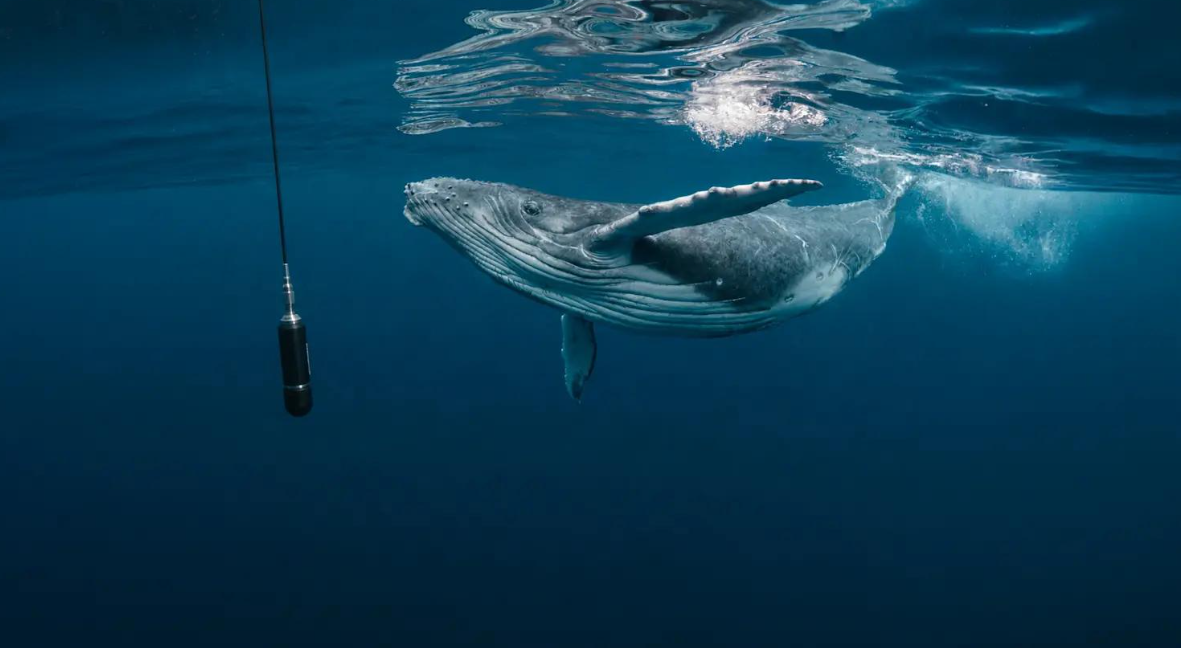
Discover how scientists compare humpback whale song dialects across regions using sound recordings, repeated patterns, and acoustic analysis.
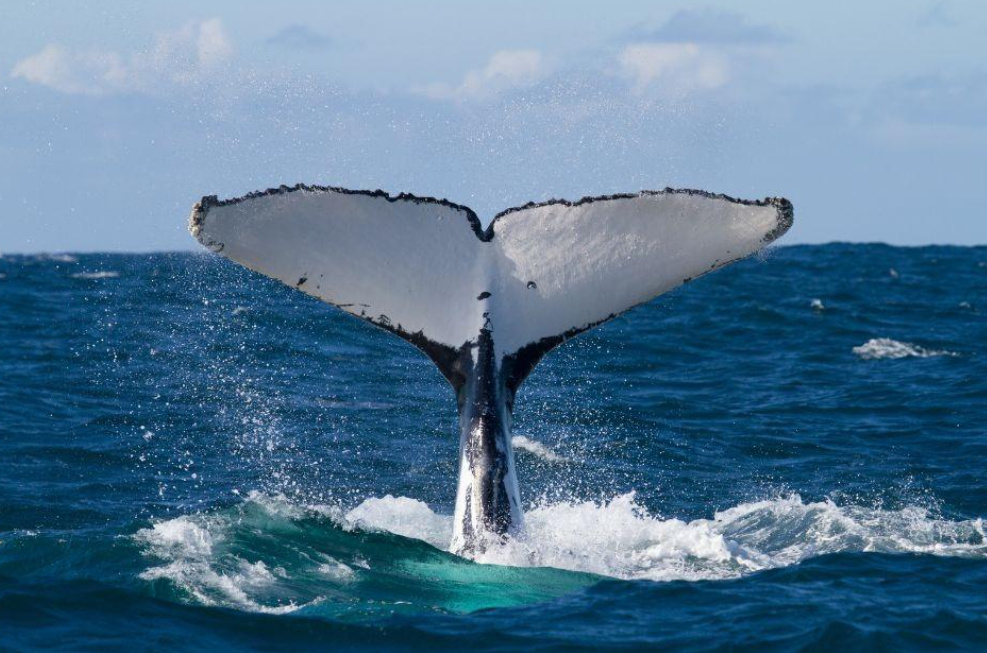
Discover how scientists track humpback whale song patterns across populations using acoustic comparisons, migration research, and evidence of social learning.
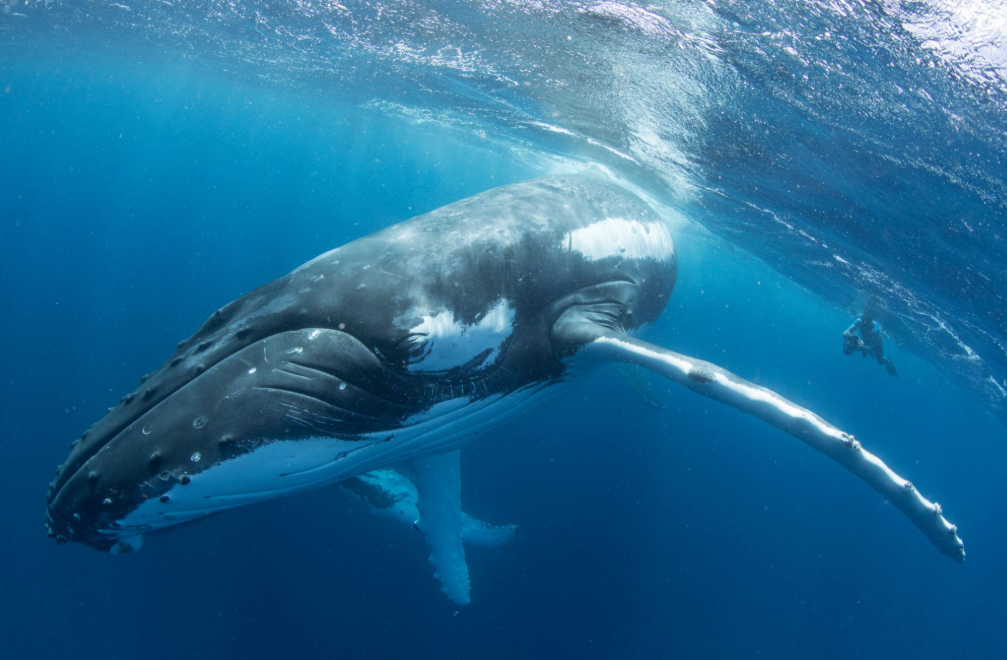
Learn how scientists compare humpback whale songs across breeding seasons using long-term recordings, acoustic analysis, and consistent research methods.
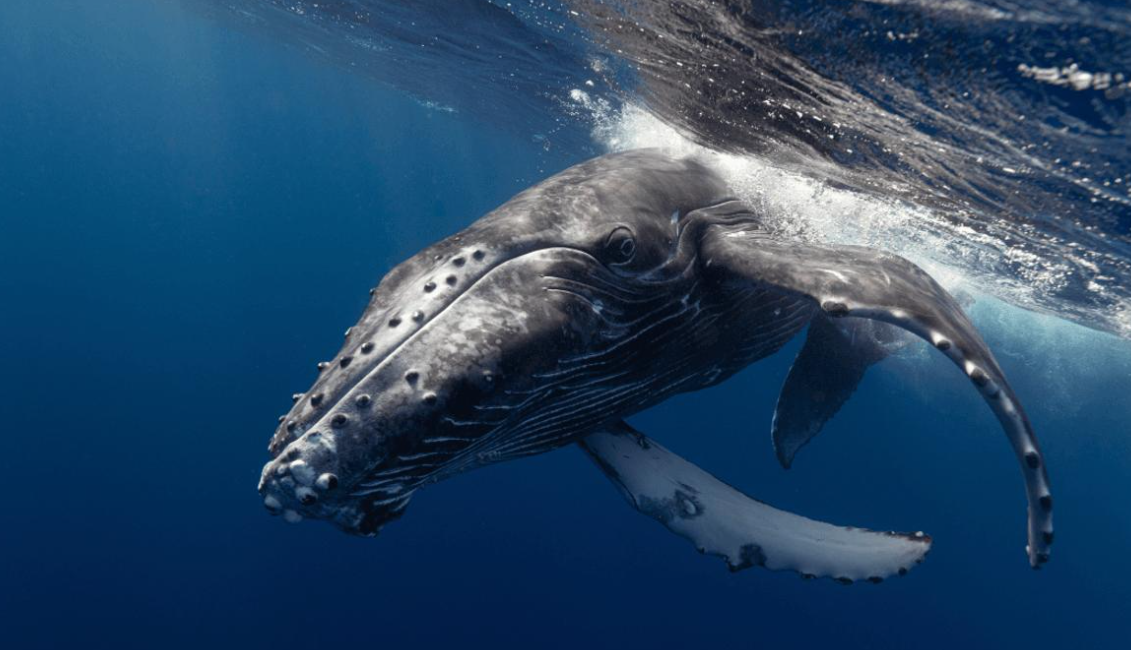
Learn how scientists study seasonal changes in humpback whale songs using long-term recordings, acoustic comparisons, and breeding-season observations.
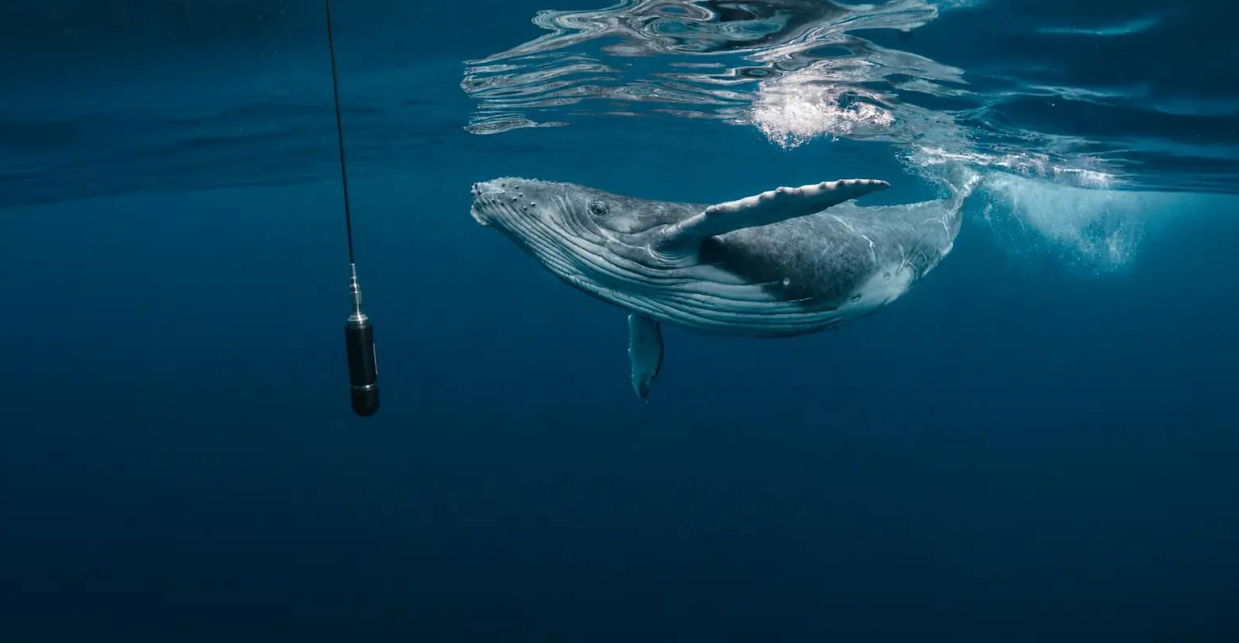
Discover how scientists compare humpback whale singing between days using acoustic recordings, standardized sampling, environmental data, and statistical analysis.
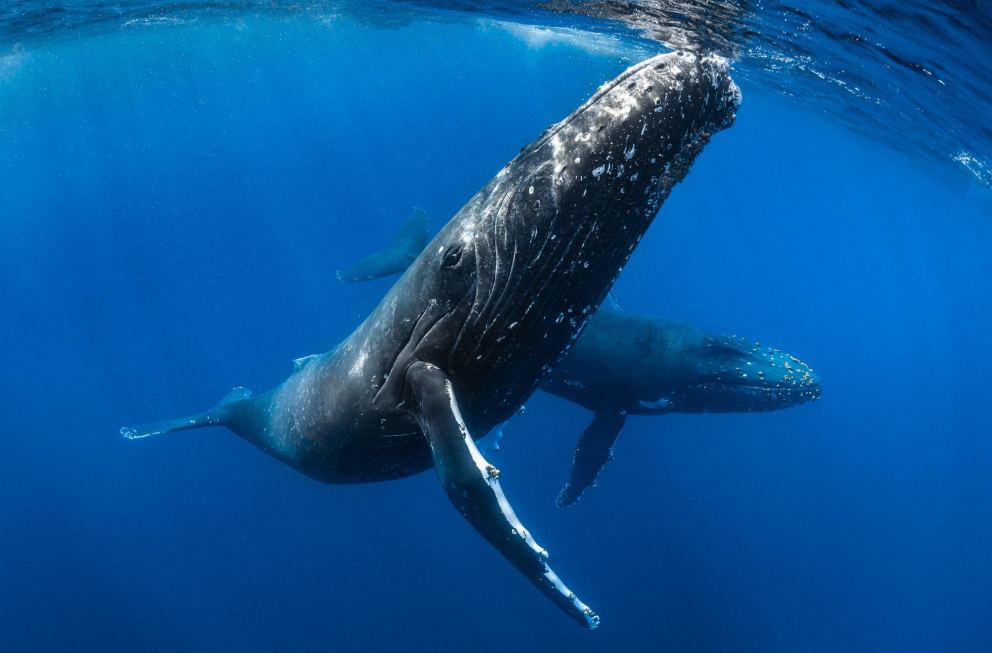
Learn how scientists link humpback whale songs to individual whales using acoustic localization, photo-identification, and synchronized observations.
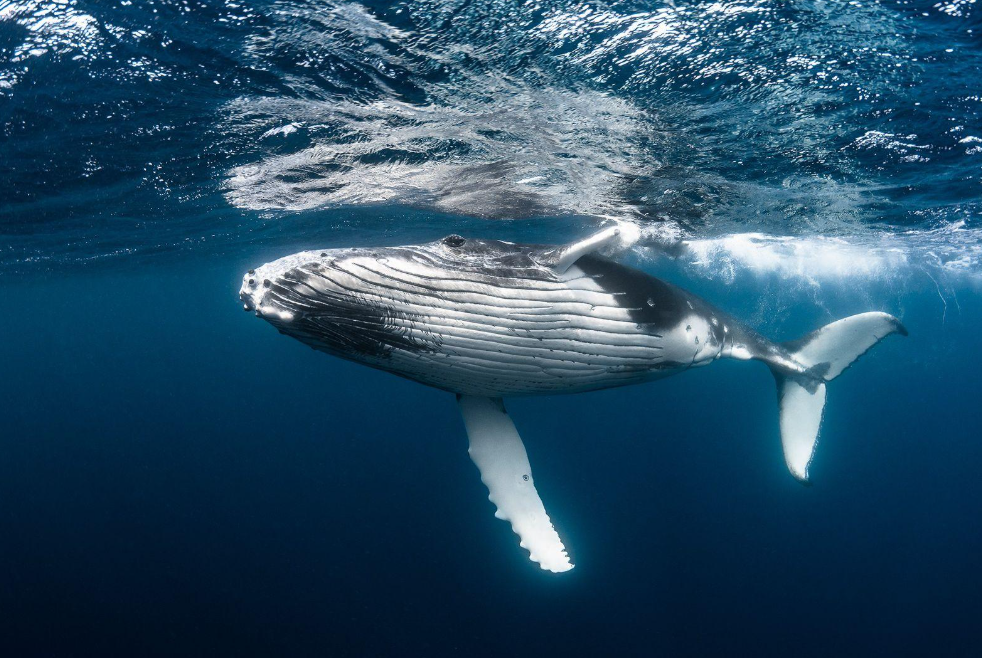
Discover how scientists identify units, phrases, and sections in humpback whale songs using acoustic recordings and spectrogram analysis.
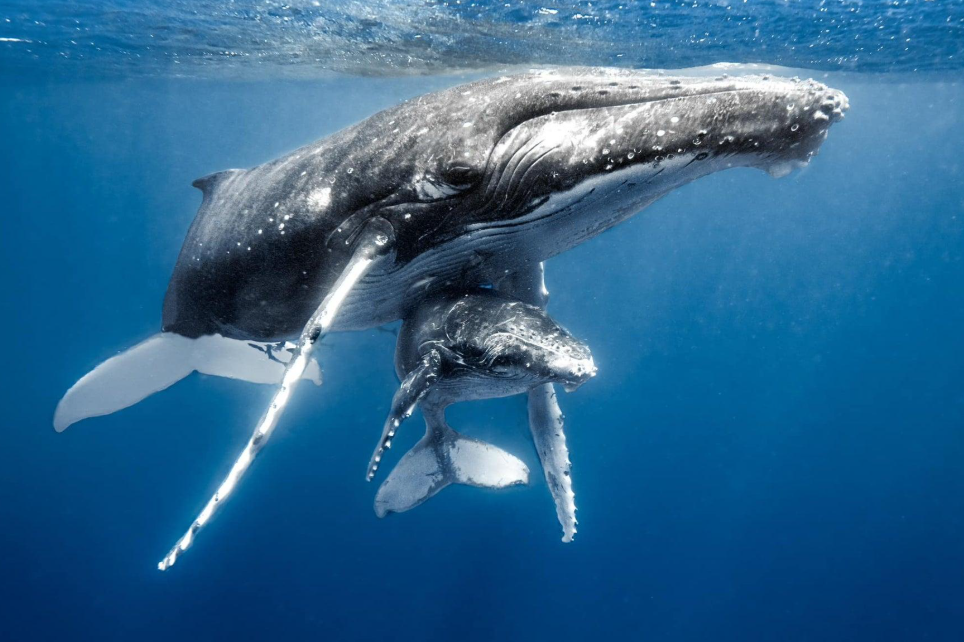
Discover how researchers detect unusual humpback whale sounds using hydrophones, spectrograms, acoustic monitoring, and signal verification.
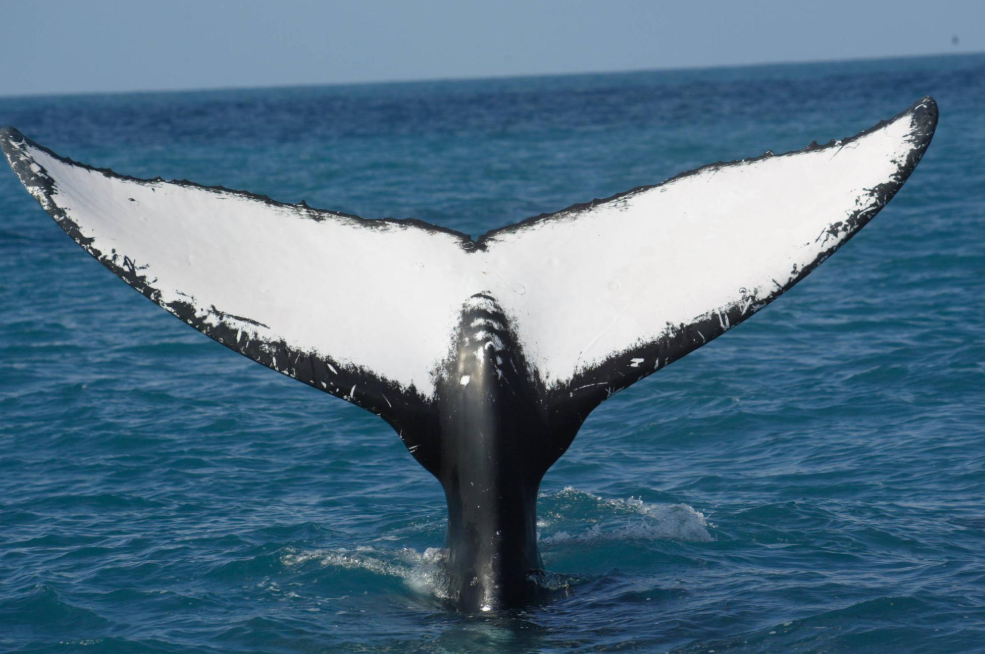
Learn how scientists compare humpback whale song patterns using frequency, duration, rhythm, spectrograms, and acoustic analysis.
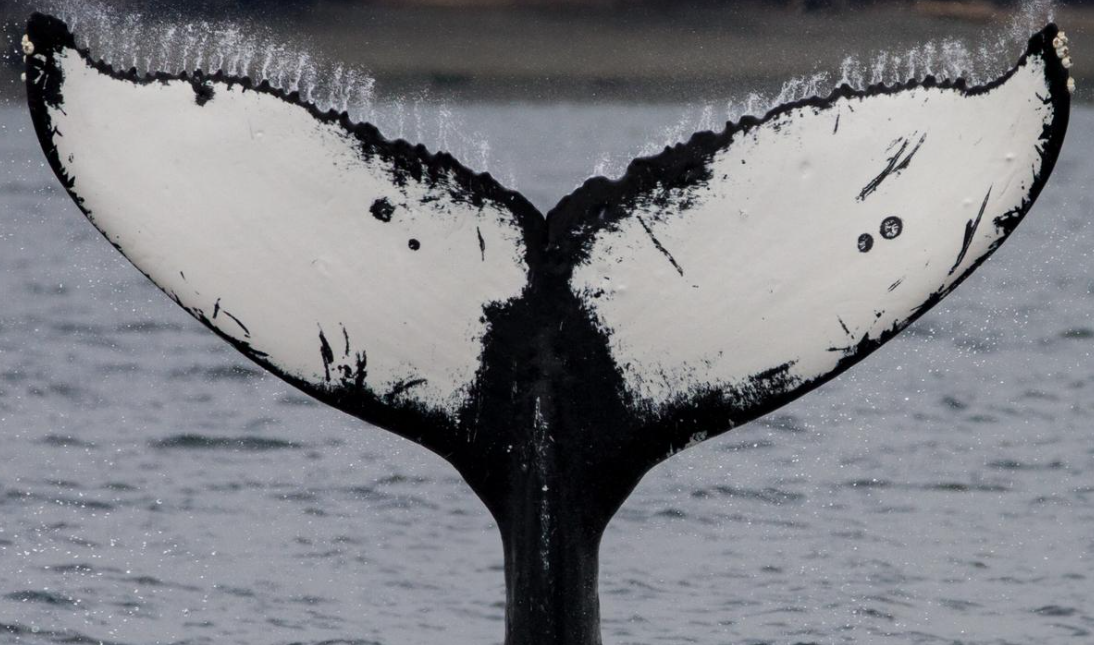
Discover how scientists identify units, phrases, and sections in humpback whale songs using acoustic recordings and spectrogram analysis.
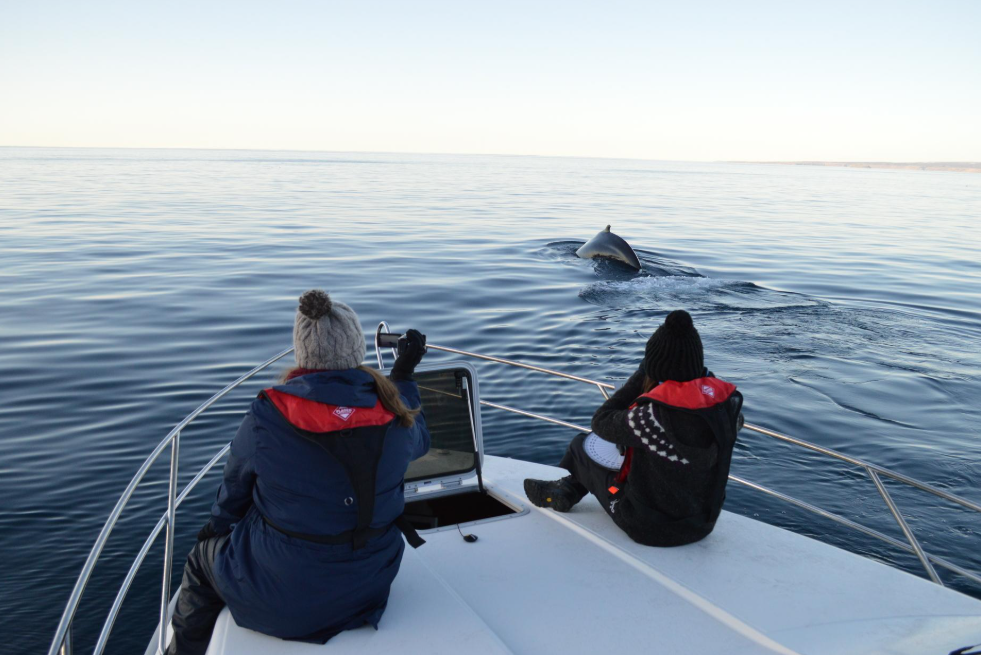
Learn how scientists measure humpback whale song-cycle duration using acoustic recordings, phrase sequences, timing analysis, and repeated observations.
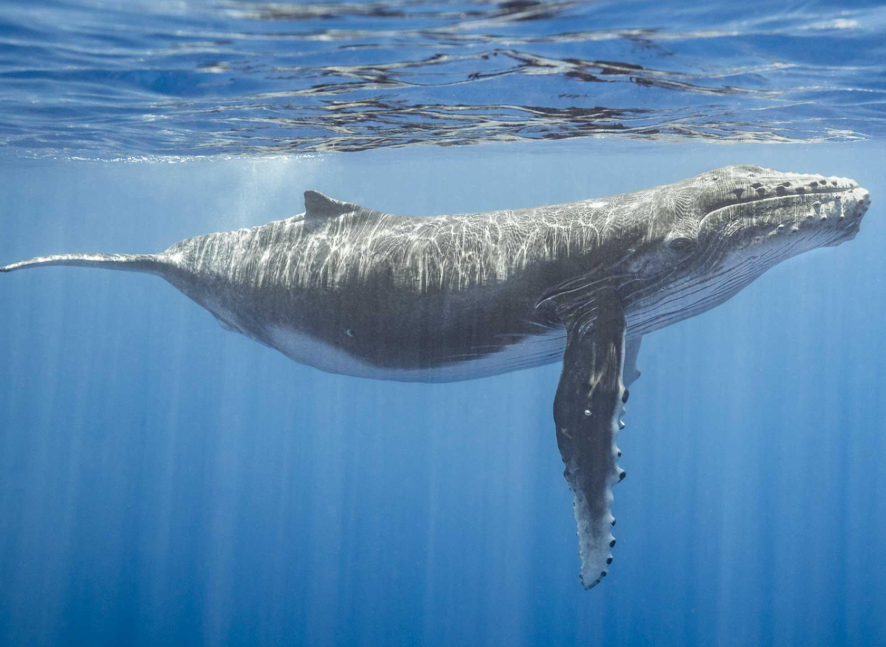
Learn how scientists measure humpback whale song repetition rates using acoustic recordings, timing intervals, spectrograms, and repeated vocal patterns.
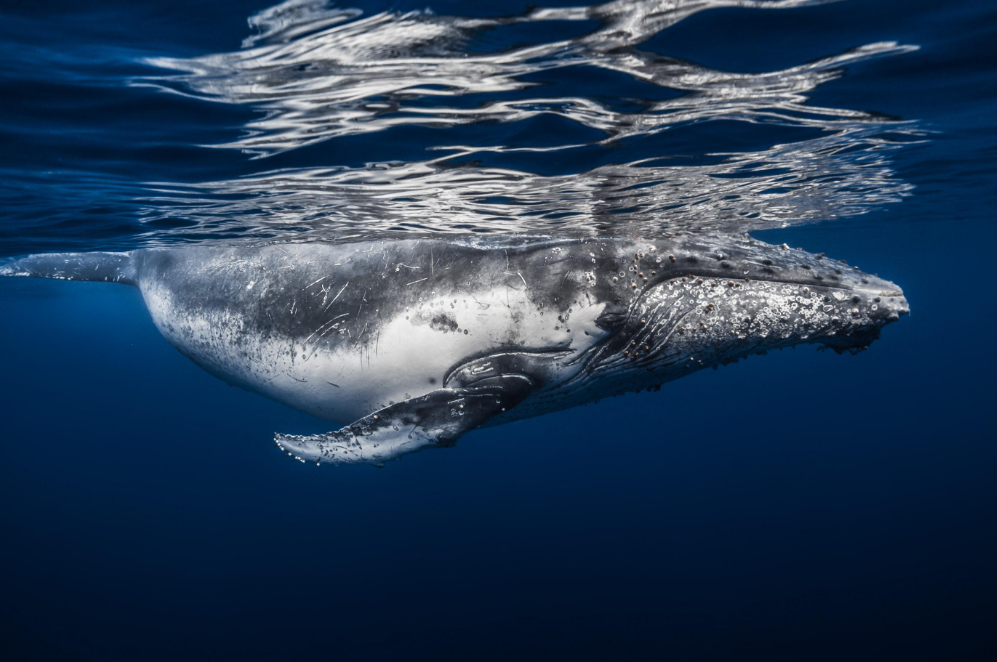
Discover how scientists track short-term changes in humpback whale songs using hydrophones, spectrograms, phrase analysis, and repeated acoustic observations.
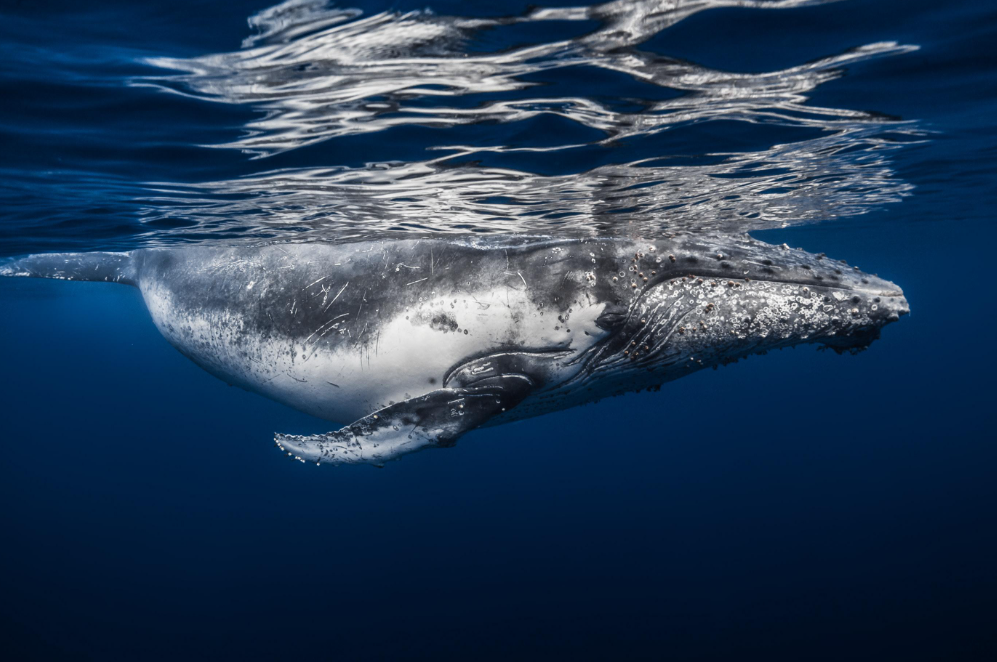
Learn how scientists measure differences between individual humpback whale songs using acoustic analysis, spectrograms, repeated recordings, and careful comparisons.
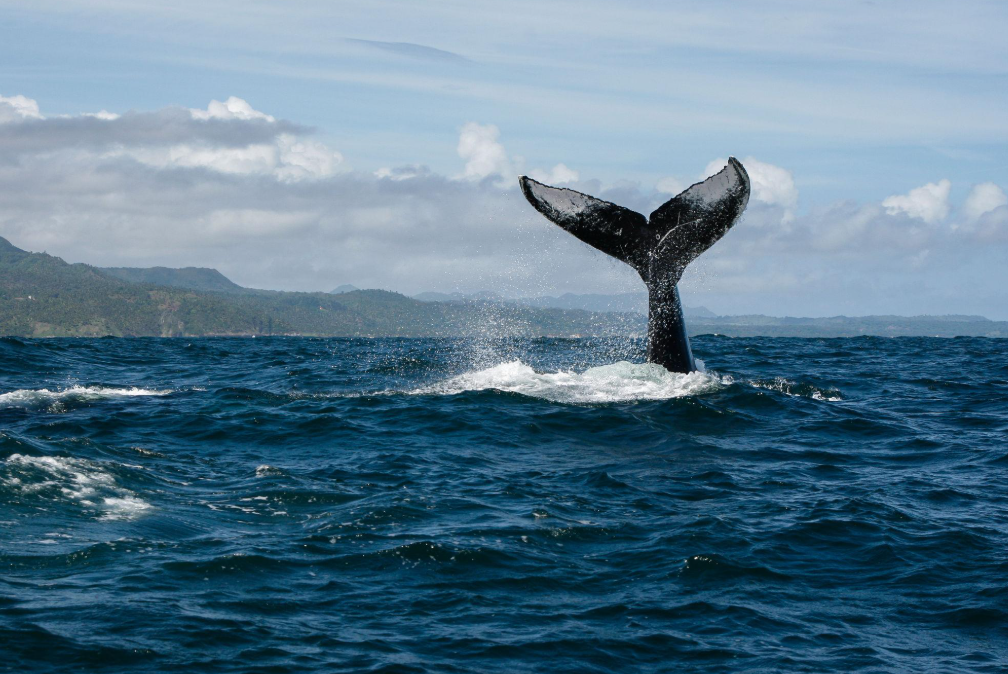
Discover how scientists investigate whether humpback whale songs are learned or innate through acoustic recordings, individual comparisons, and long-term observations.
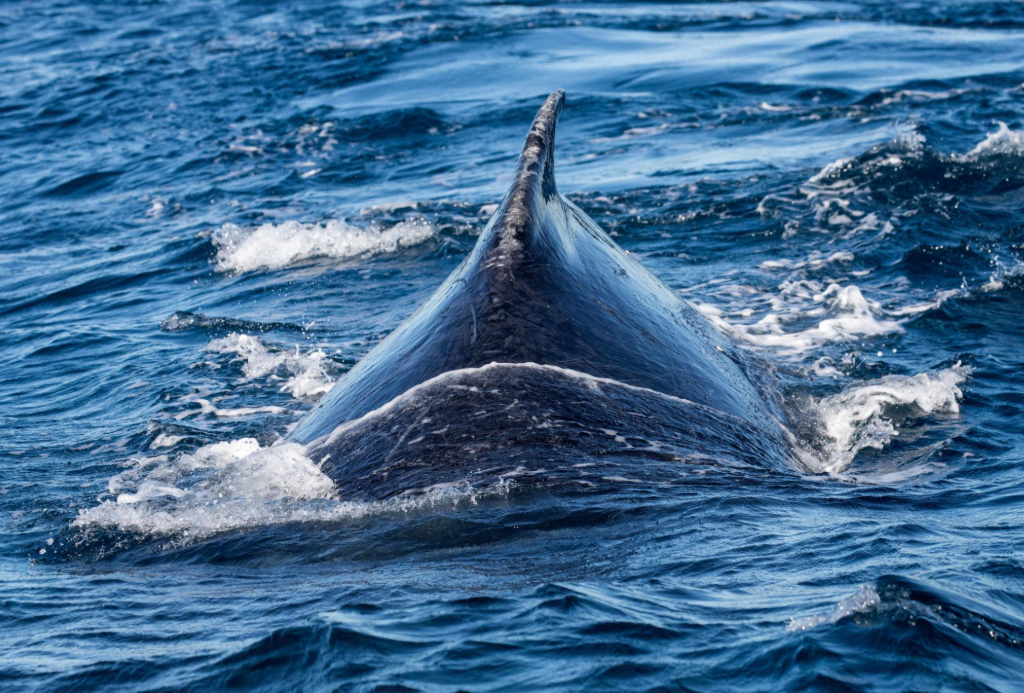
Learn how scientists investigate social learning in humpback whale songs using acoustic recordings, behavioral observations, and evidence of cultural transmission.
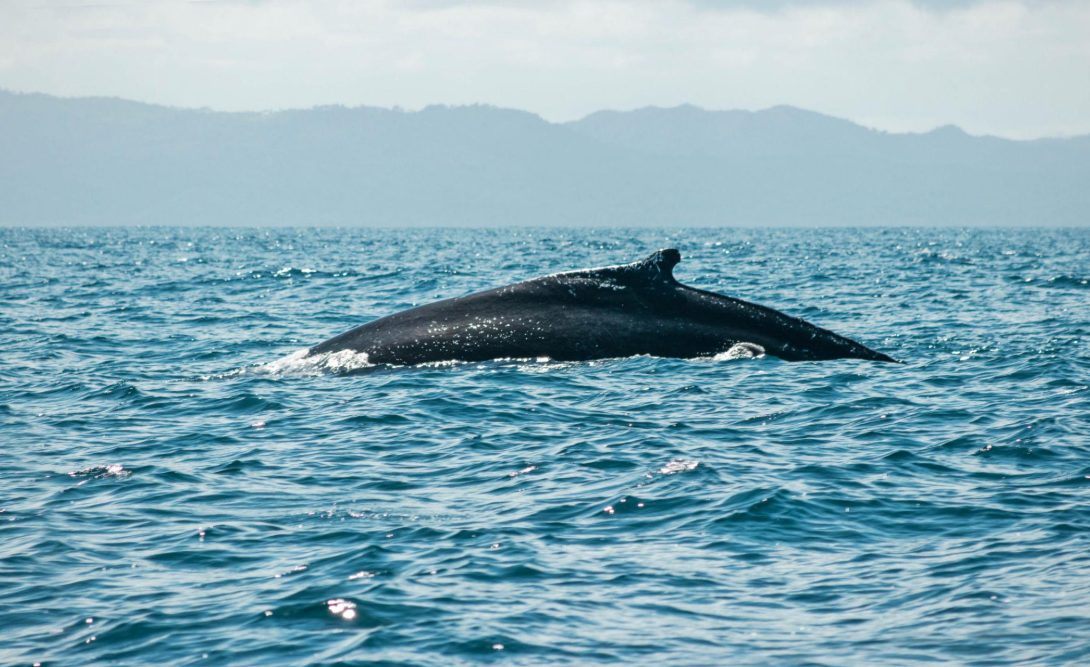
Discover how scientists investigate humpback whale song sharing between breeding grounds using acoustic recordings, song comparisons, and evidence of cultural transmission.
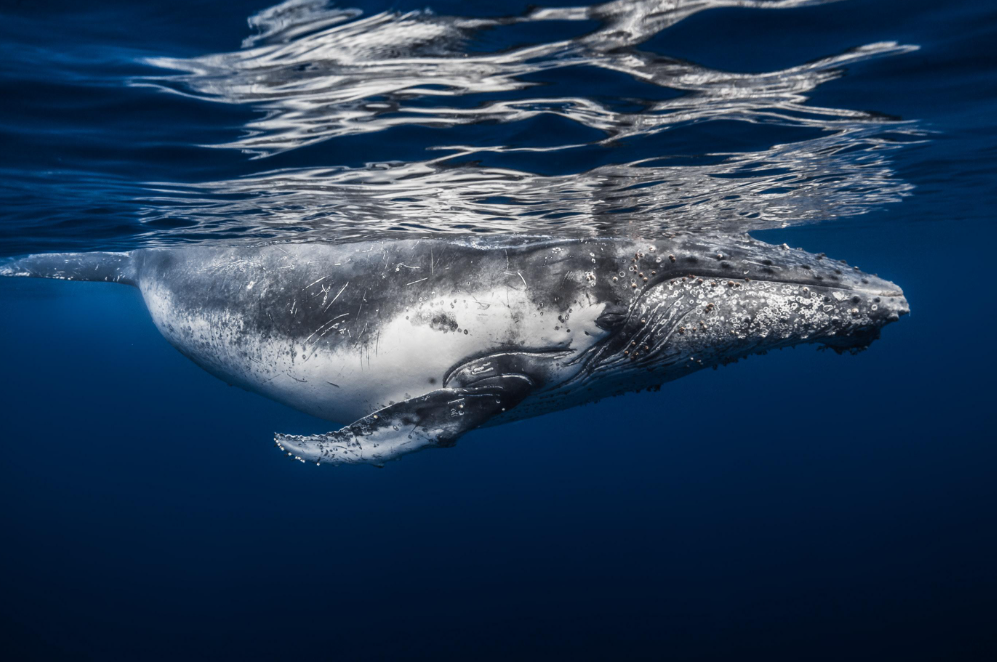
Explore how scientists compare humpback whale songs across the Caribbean using acoustic recordings, spectrograms, standardized methods, and regional comparisons.
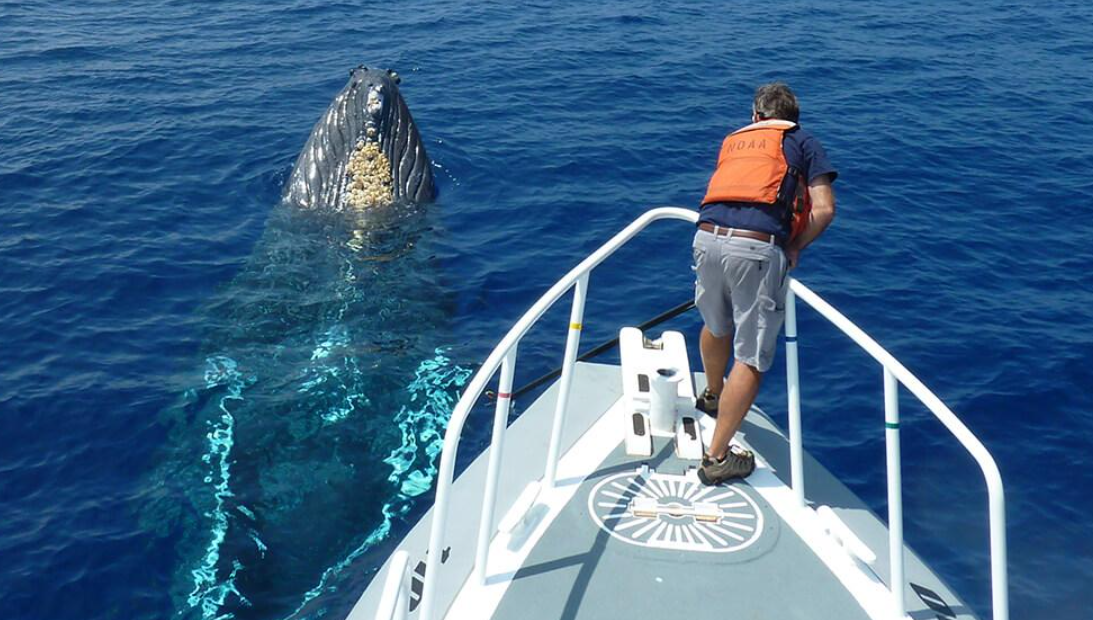
Discover how scientists compare humpback whale songs between breeding seasons using acoustic recordings, spectrograms, song patterns, and long-term monitoring.
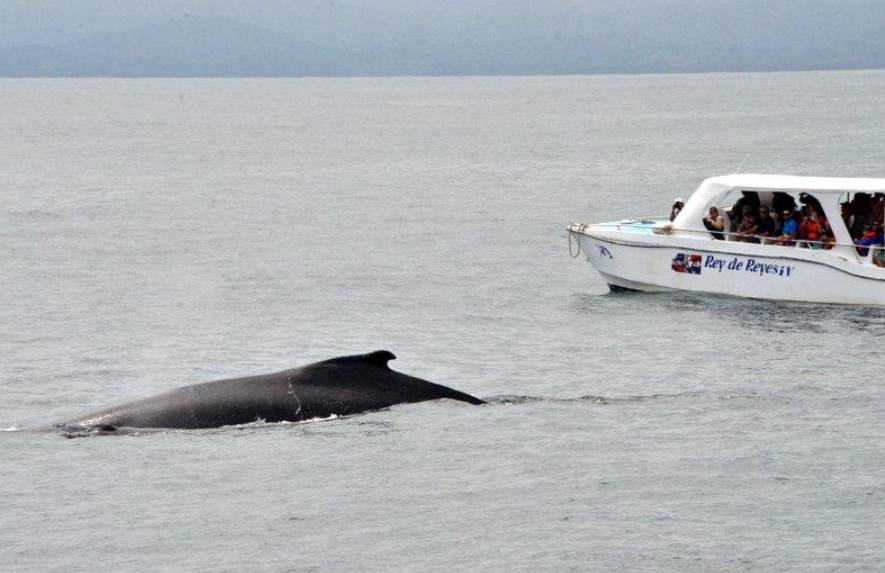
Learn how scientists measure seasonal changes in humpback whale singing activity using hydrophones, acoustic monitoring, and long-term data in Samaná Bay.
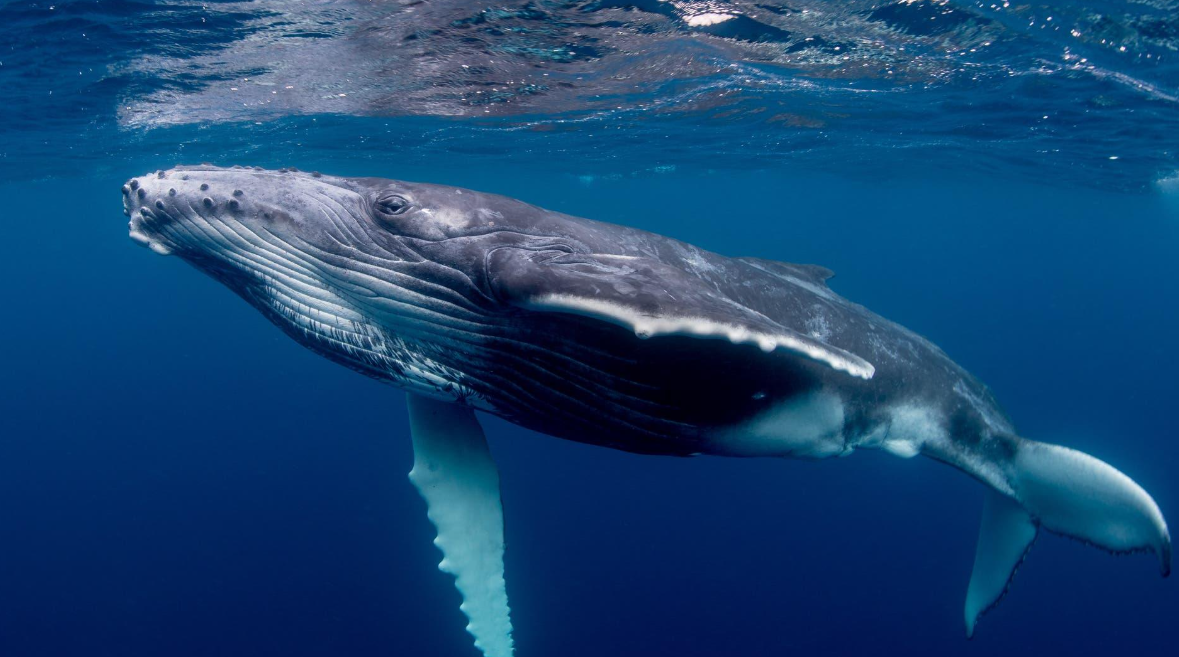
Learn how researchers identify humpback whale songs using acoustic patterns, spectrograms, hydrophones, and methods for separating marine sounds from noise.
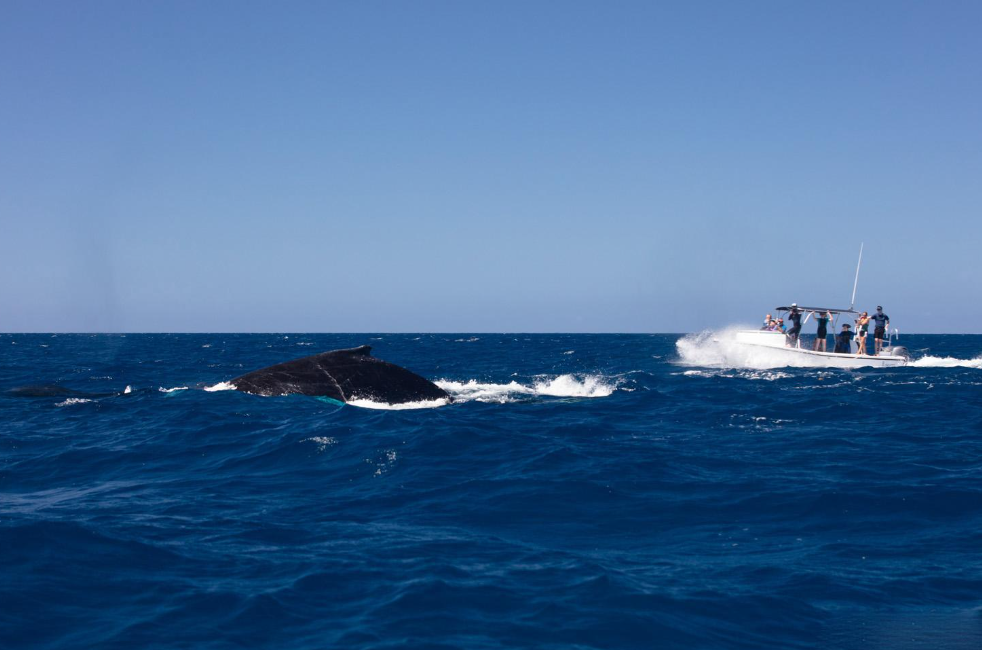
Discover how scientists analyze humpback whale vocalization frequencies using hydrophones, spectrograms, and acoustic measurements in Samaná Bay.
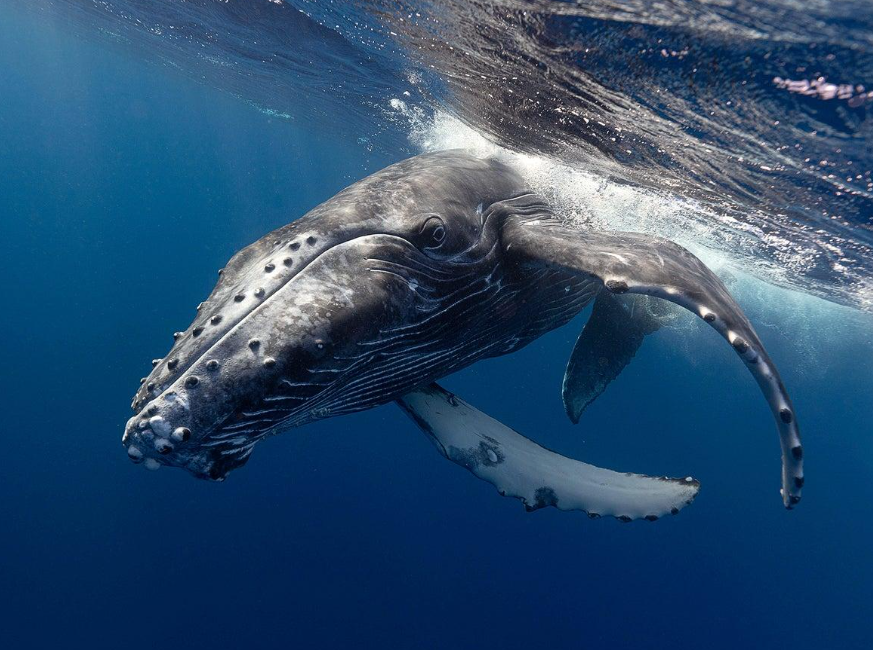
Learn how scientists measure underwater boat noise in Samaná Bay using hydrophones, sound-level analysis, and comparisons with natural ocean sounds.
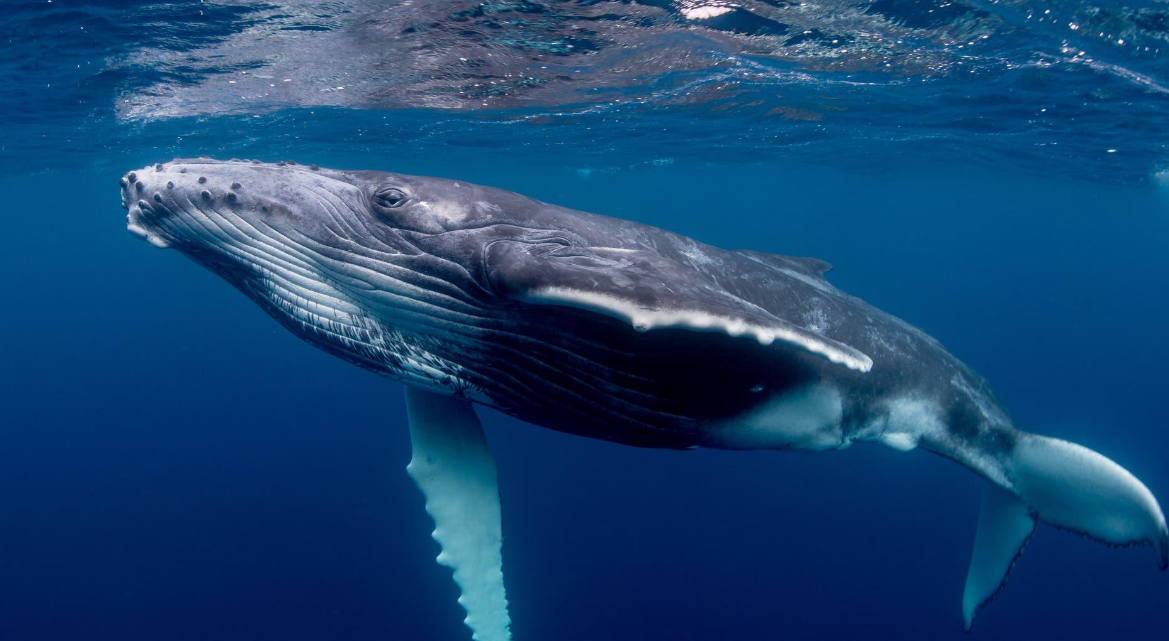
Discover how scientists study humpback whale responses to approaching boats in Samaná Bay, including movement changes, diving behavior, and responsible whale watching.
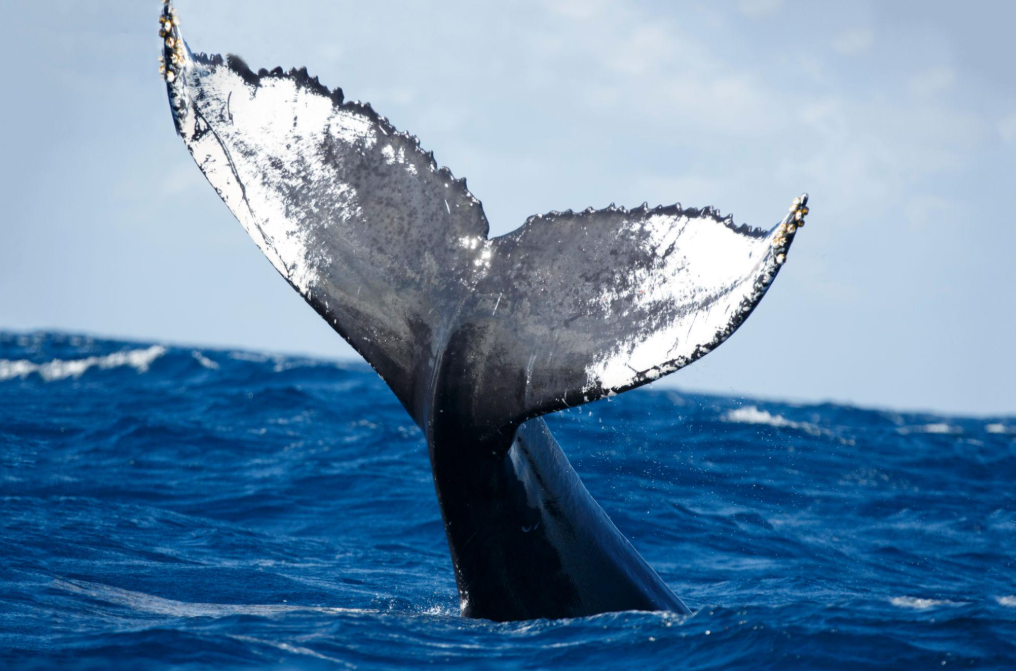
Learn how scientists study humpback whale activities in Samaná Bay and compare traveling, resting, socializing, and mother-calf behavior across locations.
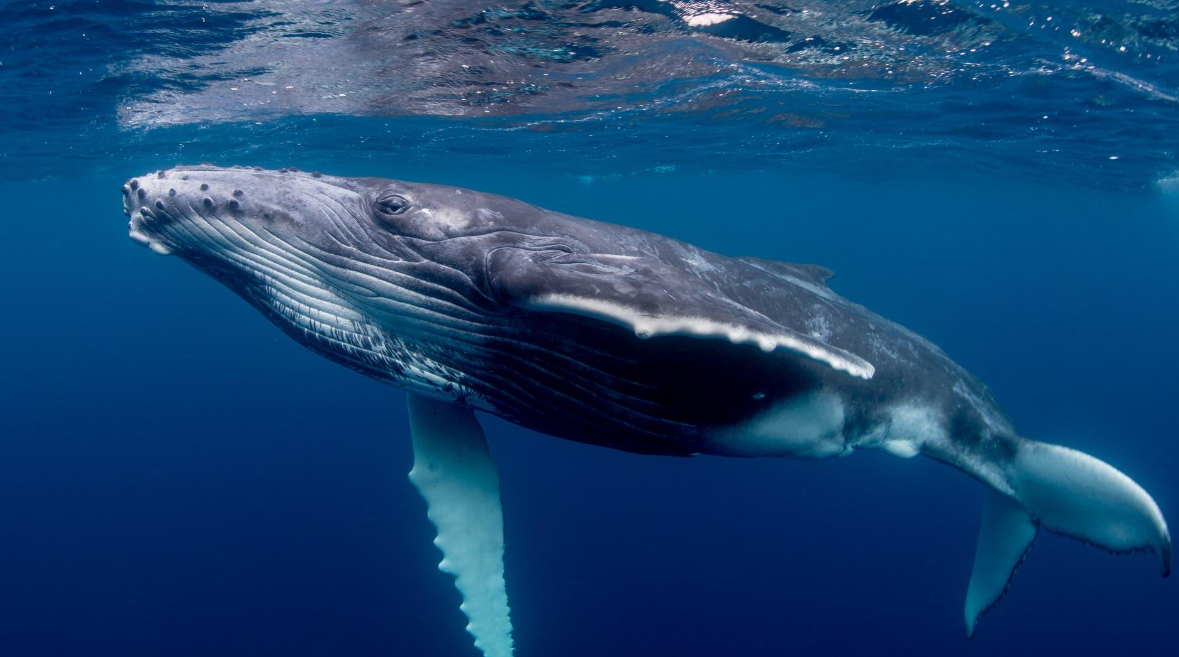
Discover how scientists study individual humpback whales' habitat use in Samaná Bay using photo identification, sighting records, and location data.
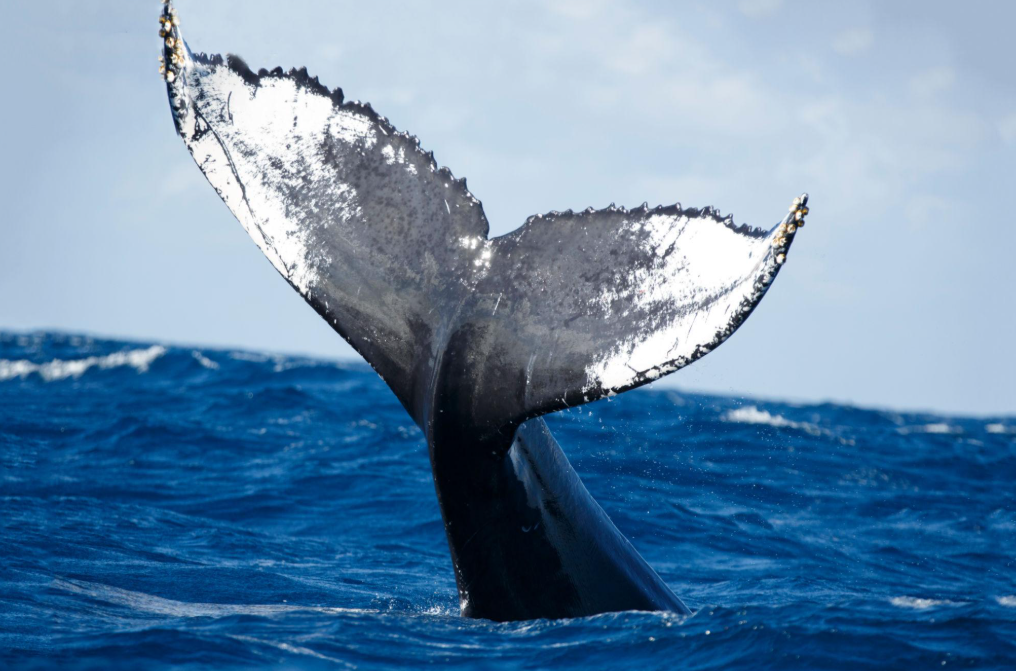
Discover how scientists identify returning humpback whales in Samaná Bay using photo-identification, repeat sightings, and long-term research records.
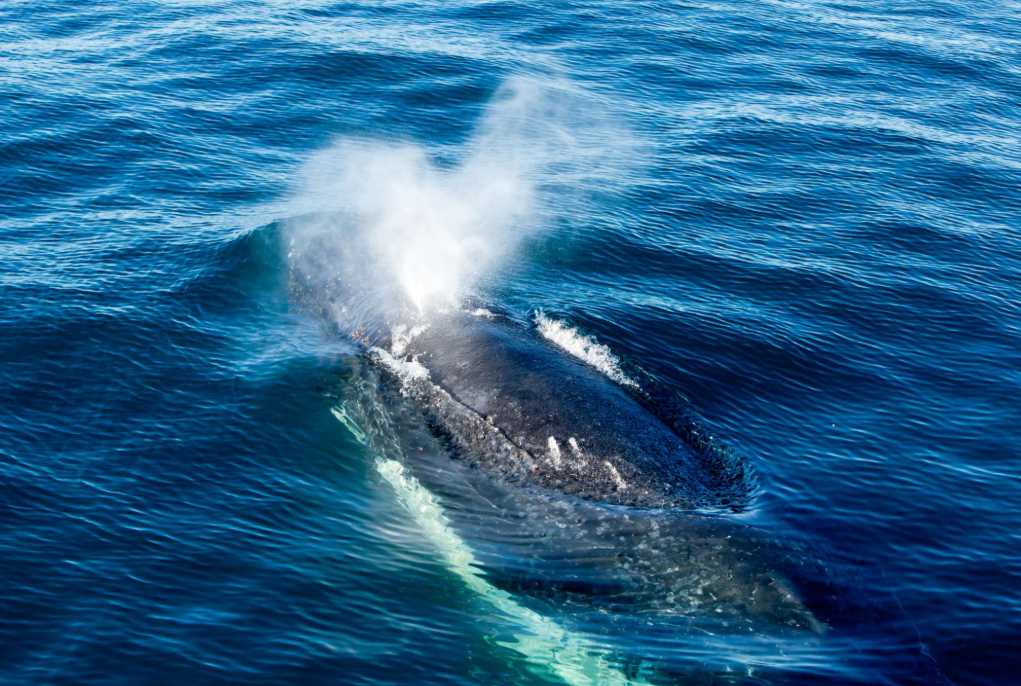
Discover how scientists estimate humpback whale residence time in Samaná Bay using photo-identification, repeat sightings, and research methods.
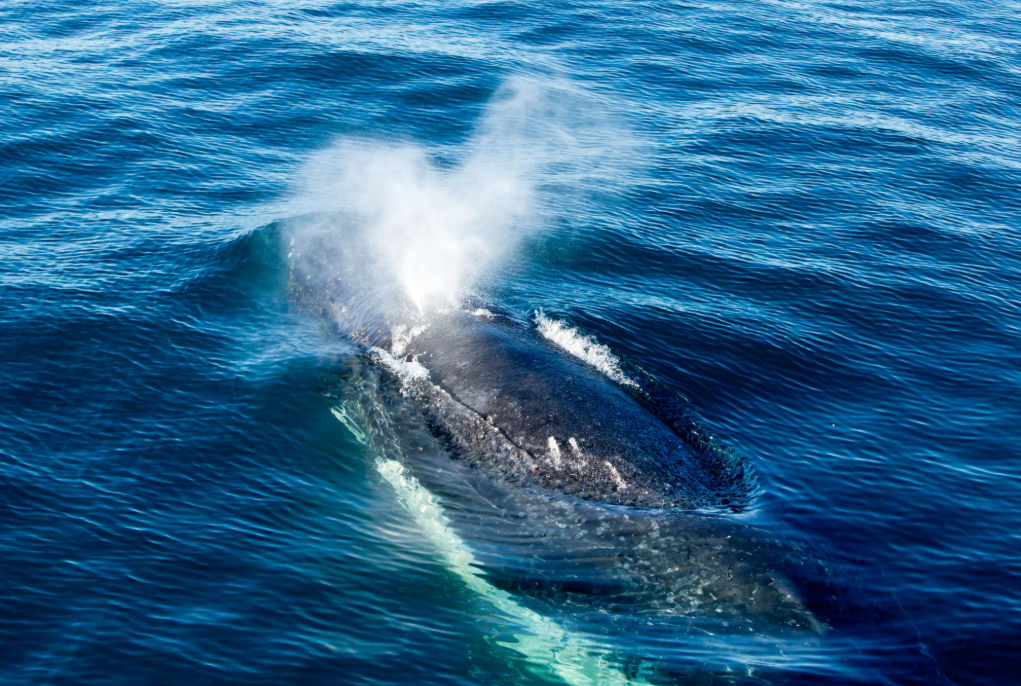
Learn how scientists estimate when humpback whales arrive and leave Samaná Bay, compare seasonal sightings, and track changes in whale presence.
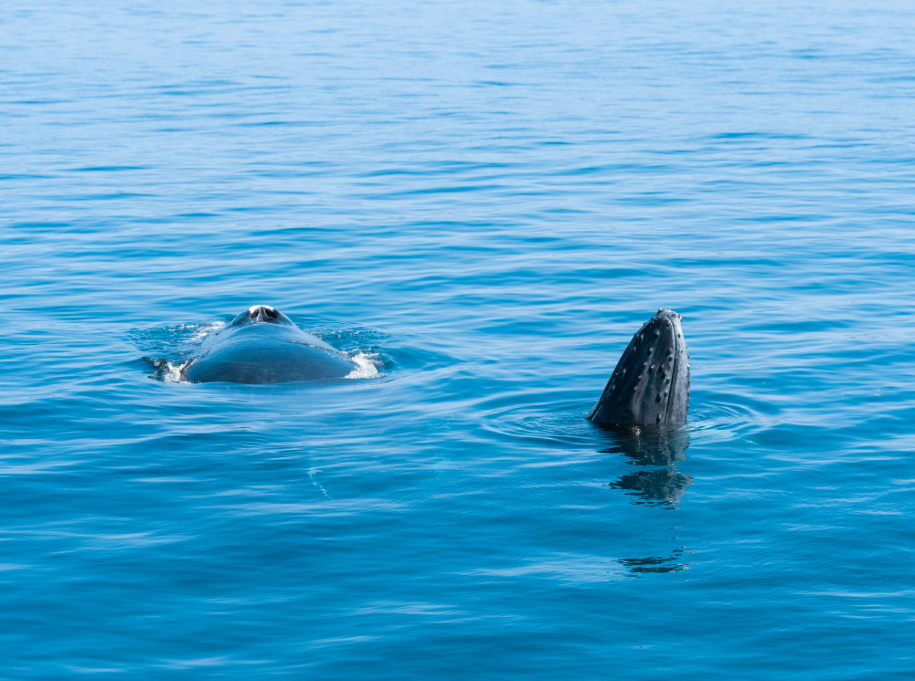
Learn how scientists compare humpback whale travel routes during the breeding season and investigate seasonal movement patterns in Samaná Bay.
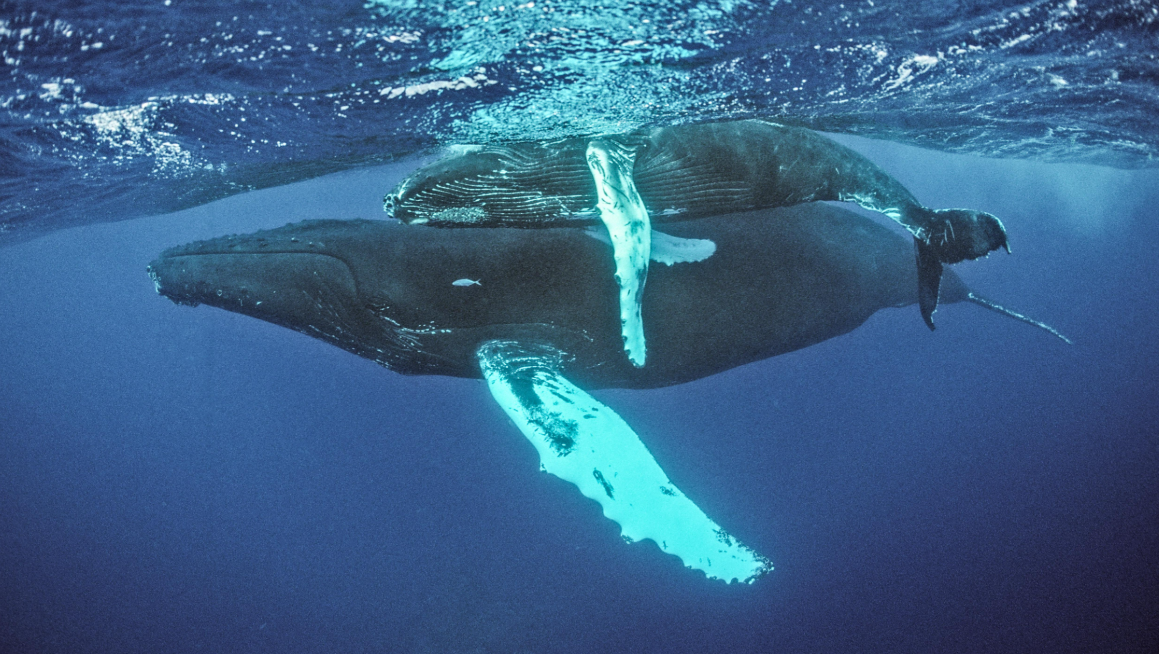
Discover how researchers track humpback whale routes in Samaná Bay, compare movement patterns, and investigate why whales may change direction.
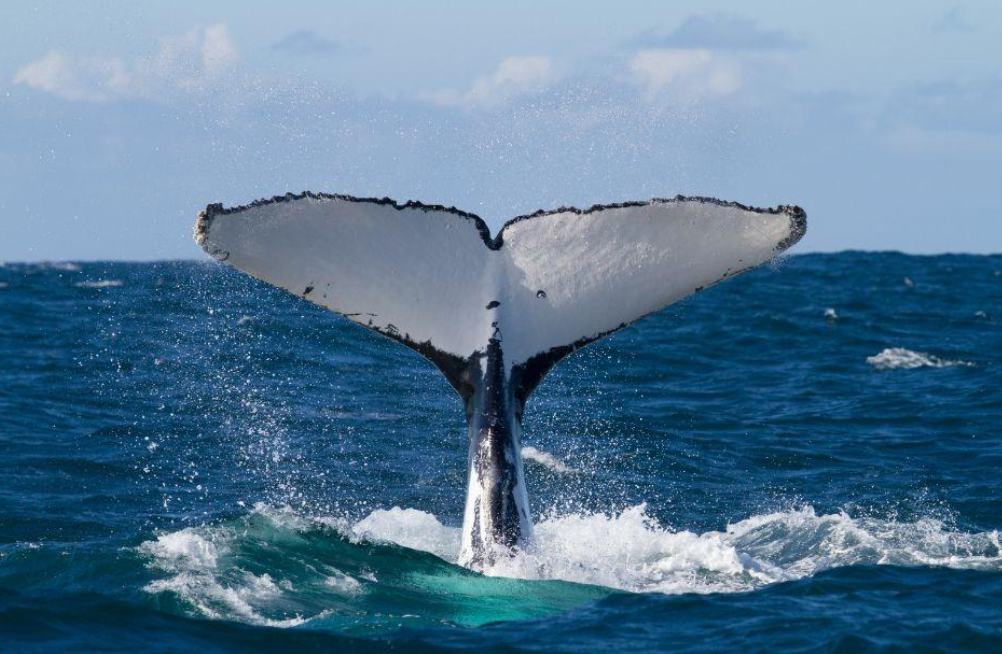
Discover how scientists map humpback whale sightings in Samaná Bay, compare locations, and identify areas used frequently during the breeding season.
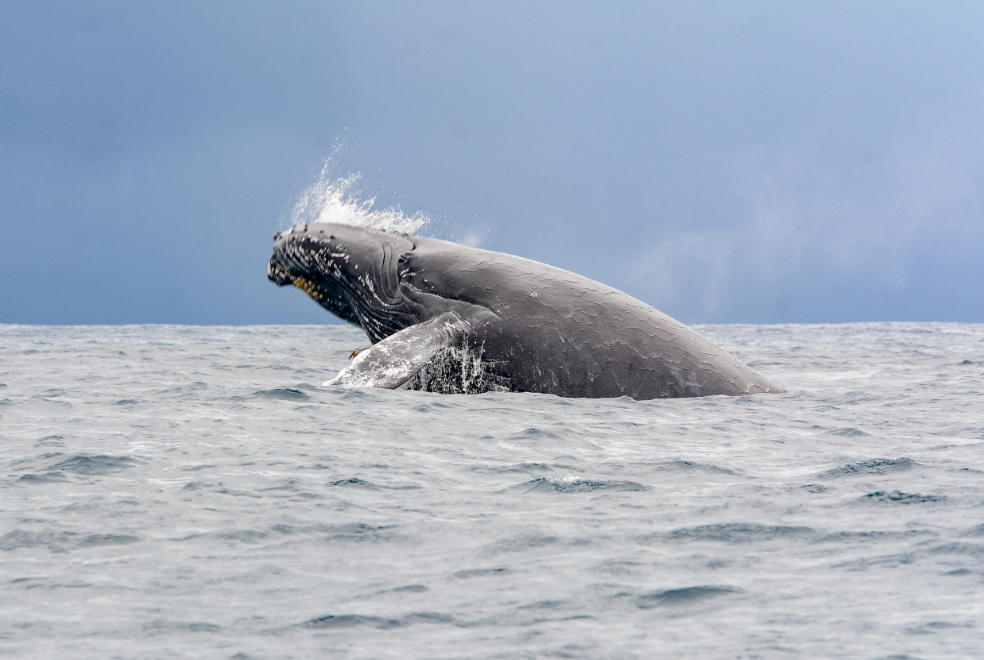
Learn how scientists estimate humpback whale numbers in Samaná Bay using surveys, photo identification, detection probability, and statistical methods.
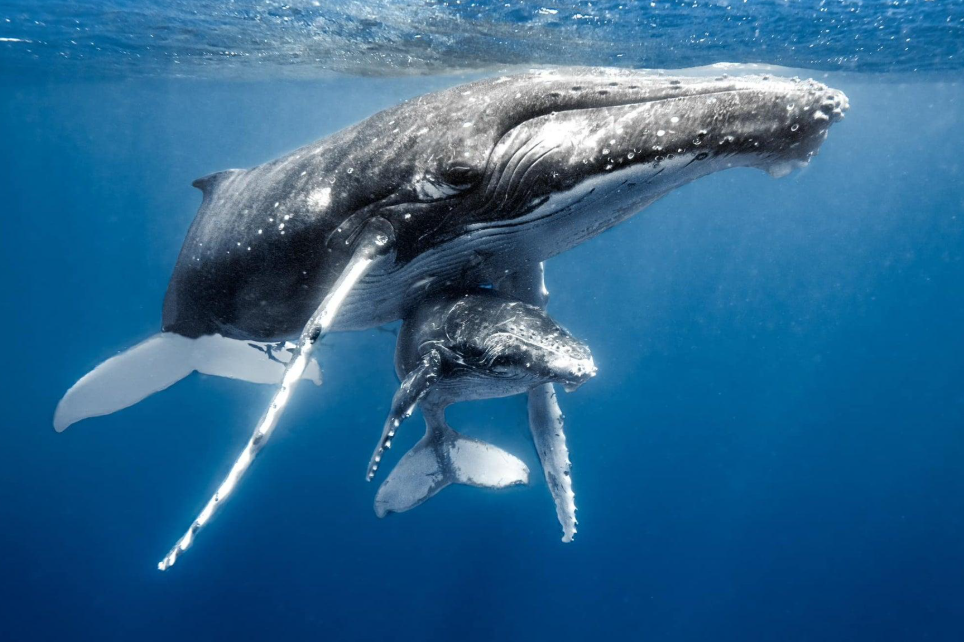
Discover how scientists study humpback whale site fidelity using photo identification, location records, and long-term observations in Samaná Bay.
Learn how scientists track recurring humpback whale associations in Samaná Bay using photo identification, sighting records, and long-term research.
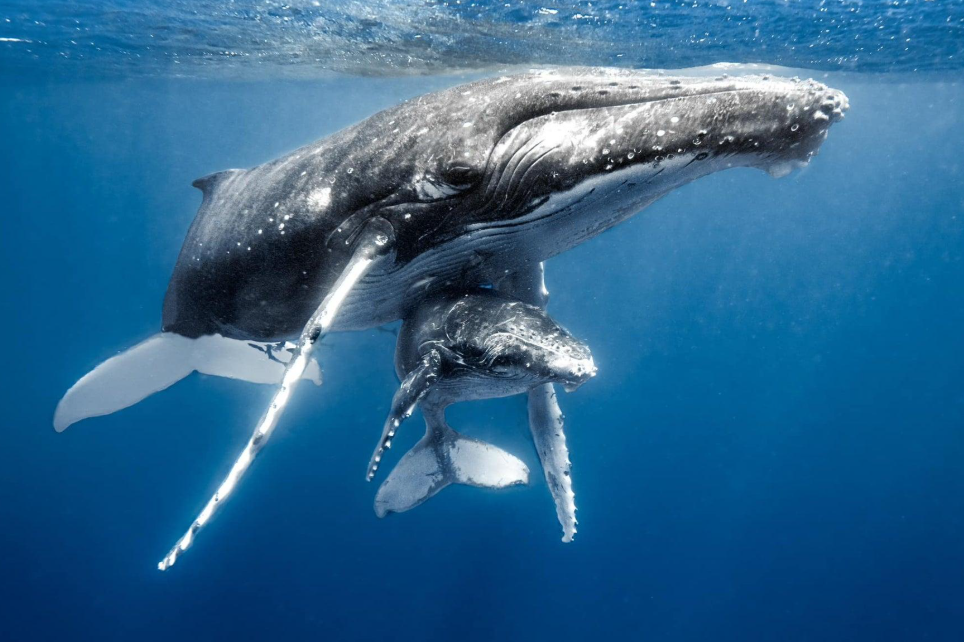
Discover how researchers record humpback whale social interactions in Samaná Bay, including group behavior, encounters, observation methods, and research limitations.
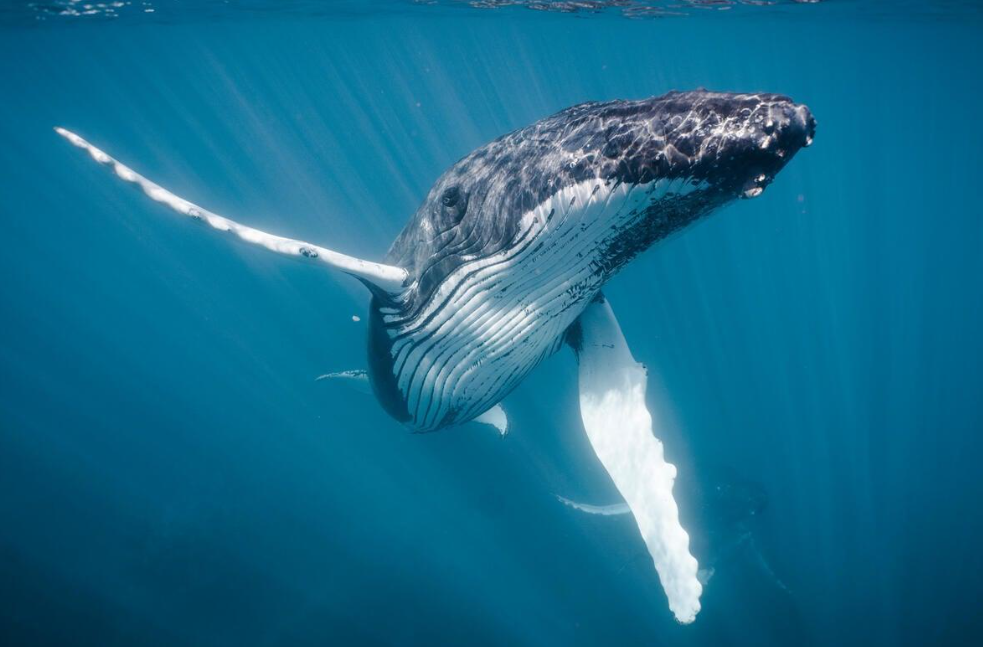
Learn how scientists investigate humpback whale feeding behavior in Samaná Bay by observing movement, surface activity, dive patterns, and supporting evidence.
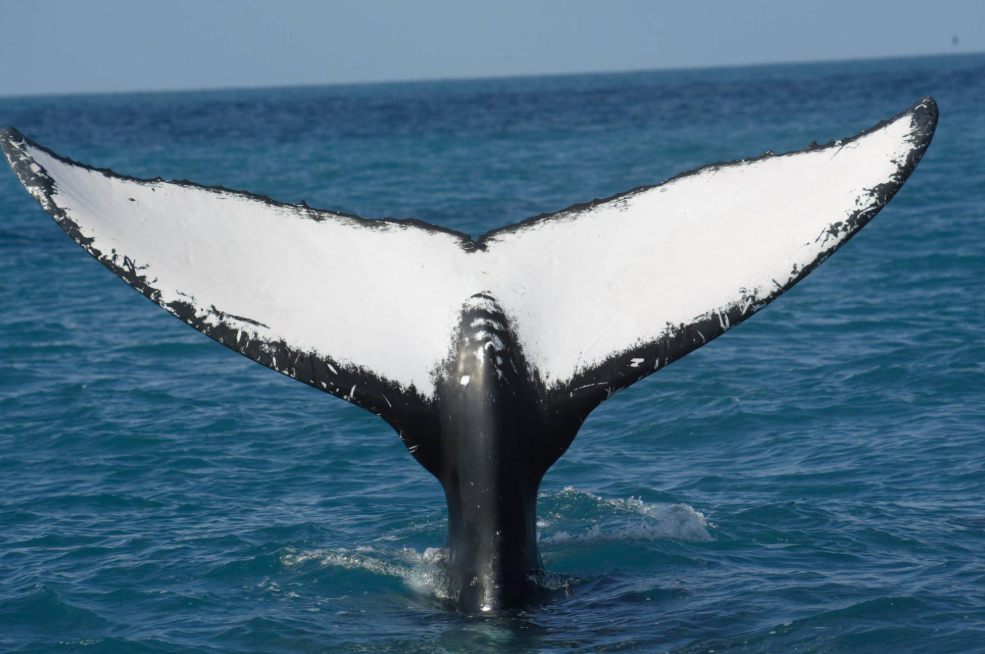
Learn how scientists measure humpback whale dive duration in Samaná Bay using timed observations, surfacing records, and underwater research methods.
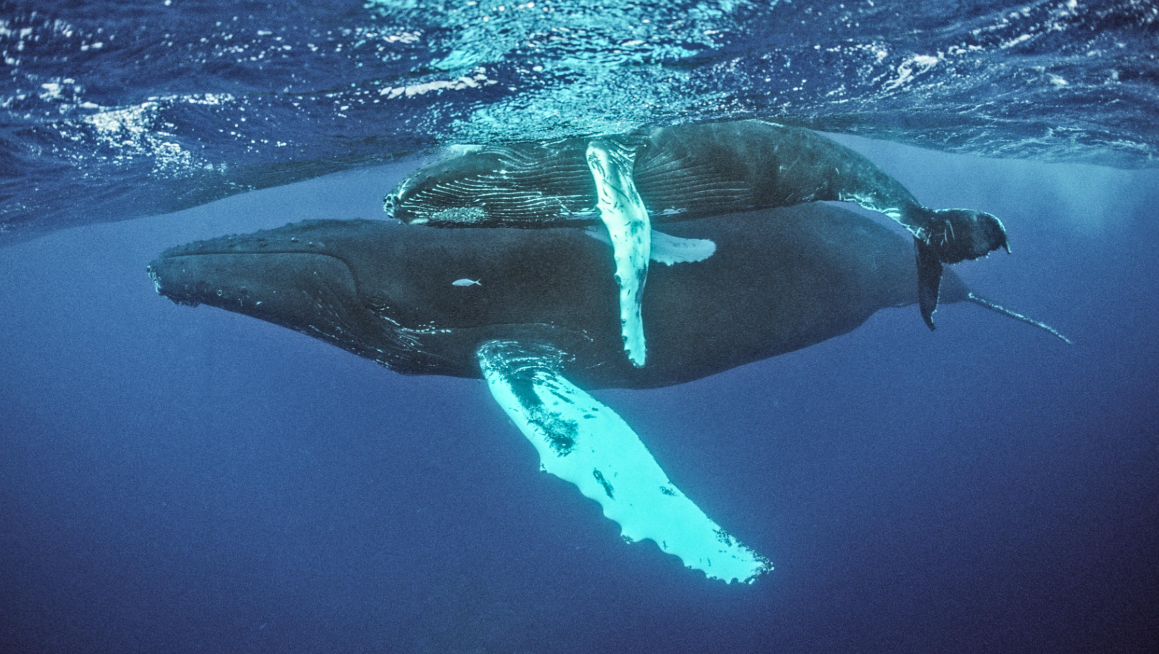
Explore how scientists estimate humpback whale calf swimming speed in Samaná Bay using timed observations, tracking methods, and movement data.
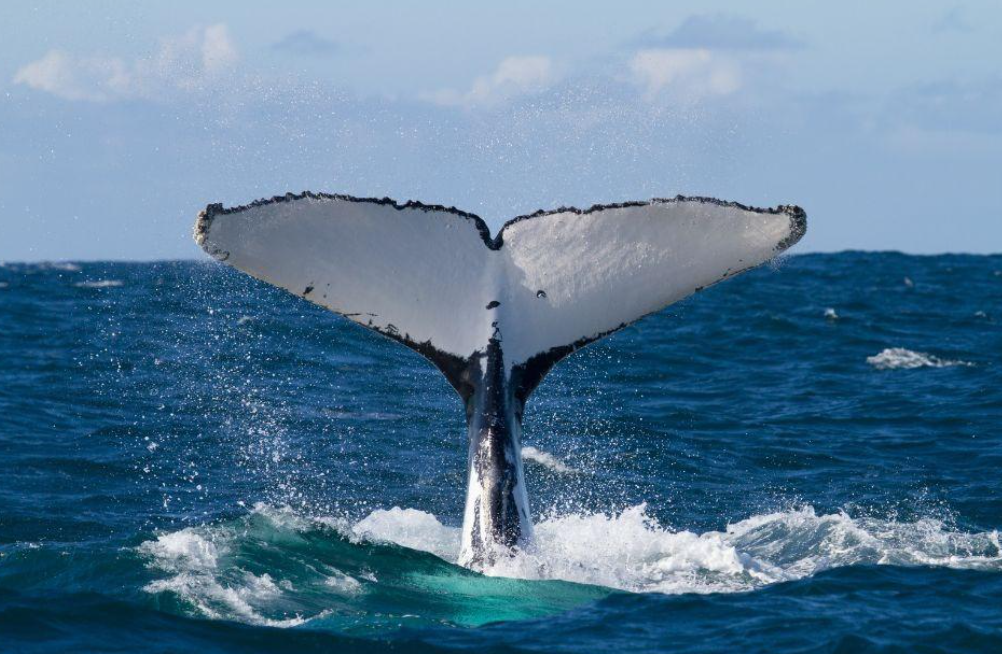
Discover how scientists estimate humpback whale calf age in Samaná Bay using size, development, behavior, and observation records—and why estimates can be uncertain.
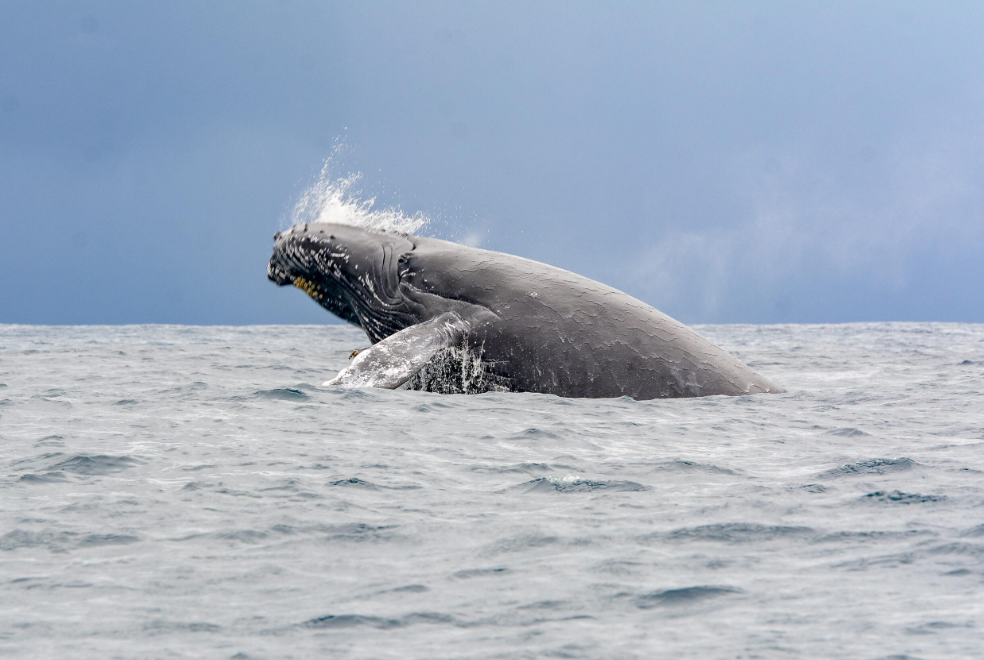
Learn how researchers identify humpback whale mother-and-calf pairs in Samaná Bay using behavior, size differences, photographs, and careful observation.
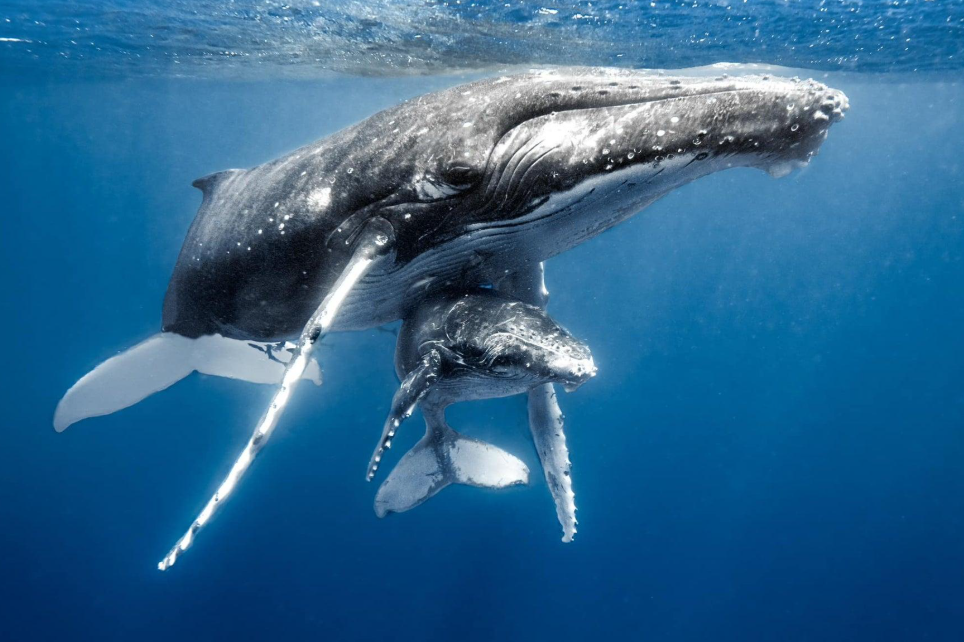
Discover how researchers study daily changes in humpback whale locations in Samaná Bay, including survey methods, whale behavior, and observation limits.
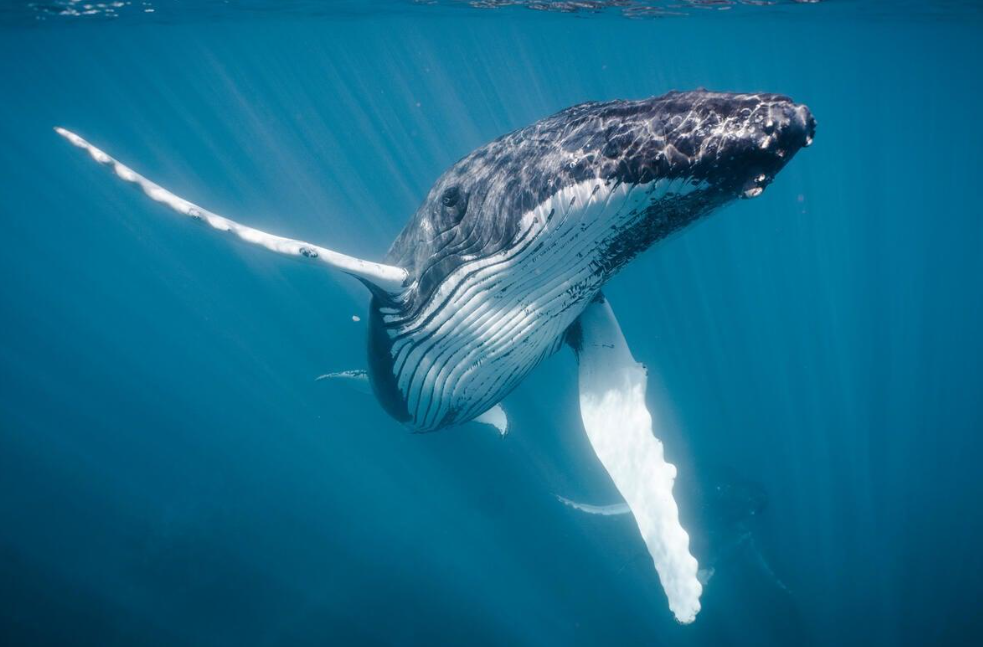
Discover how scientists study humpback whale sightings in relation to water depth in Samaná Bay using bathymetric maps, field observations, and habitat analysis.
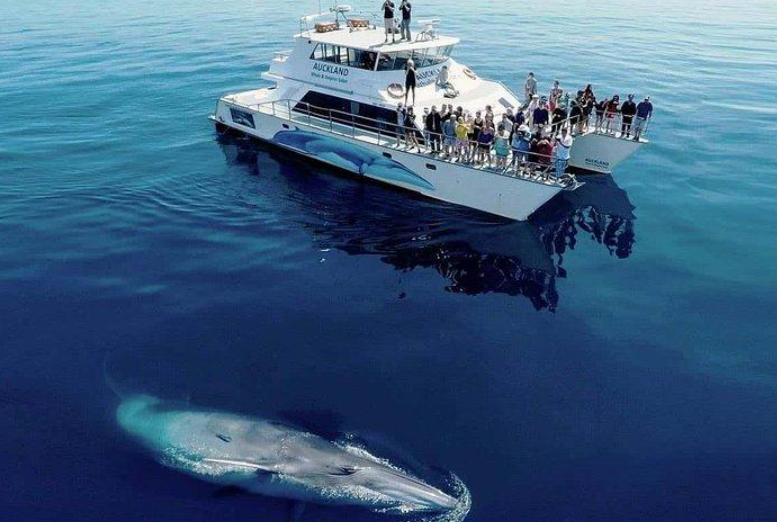
Learn how scientists use long-term humpback whale identification records, repeat sightings, and research data to investigate whale longevity in Samaná Bay.
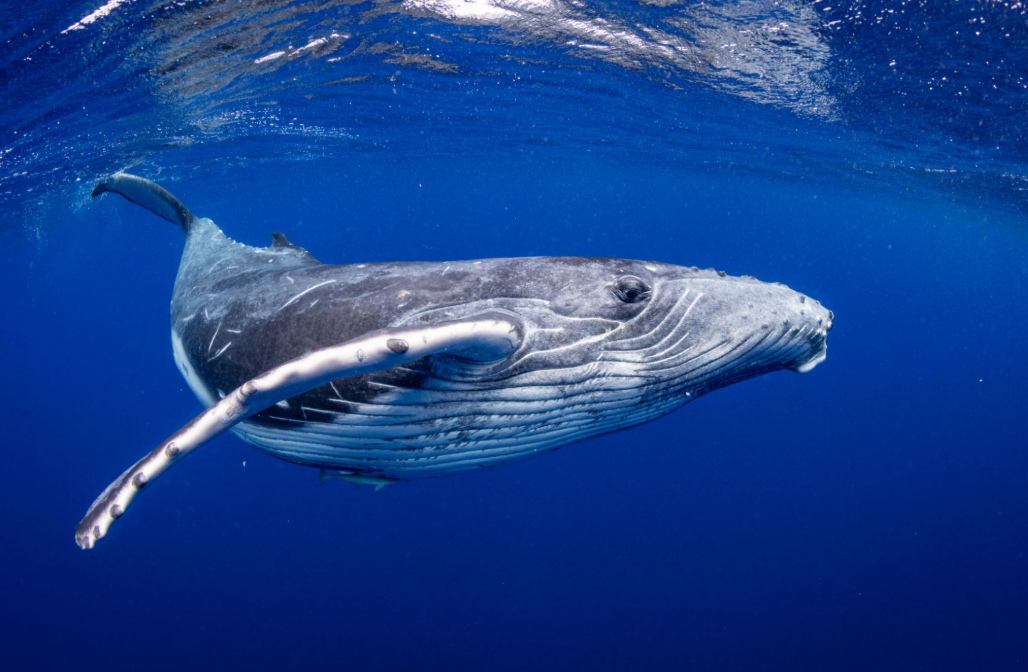
Discover how scientists identify individual humpback whales in Samaná Bay by comparing tail fluke patterns, natural markings, and research photographs.
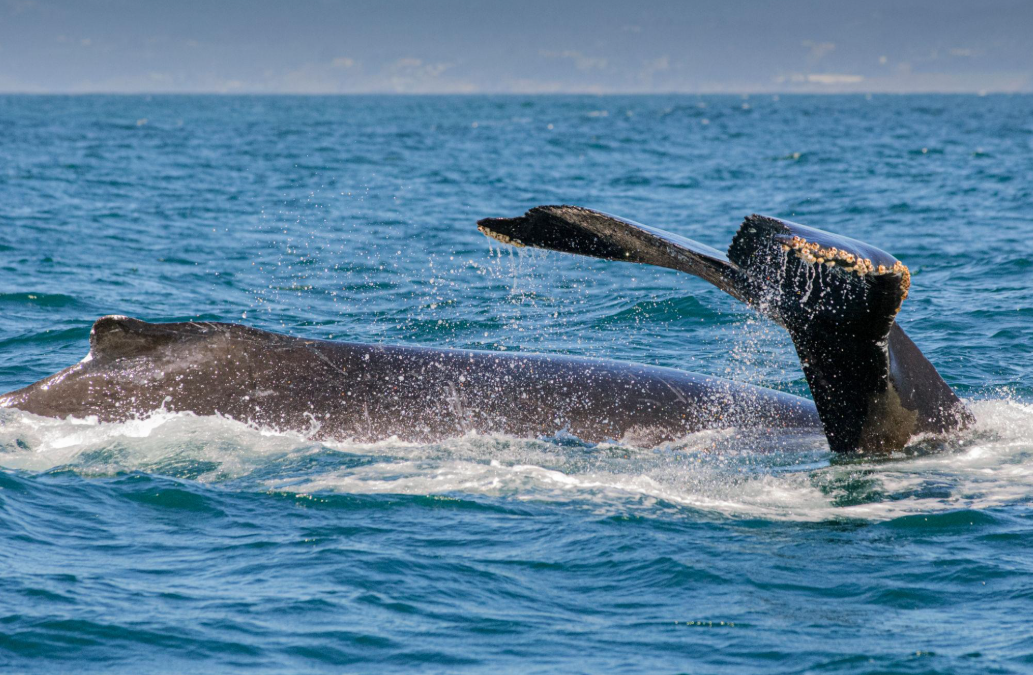
Learn how scientists distinguish resting from active swimming in humpback whales in Samaná Bay using behavior, movement patterns, and underwater observations.
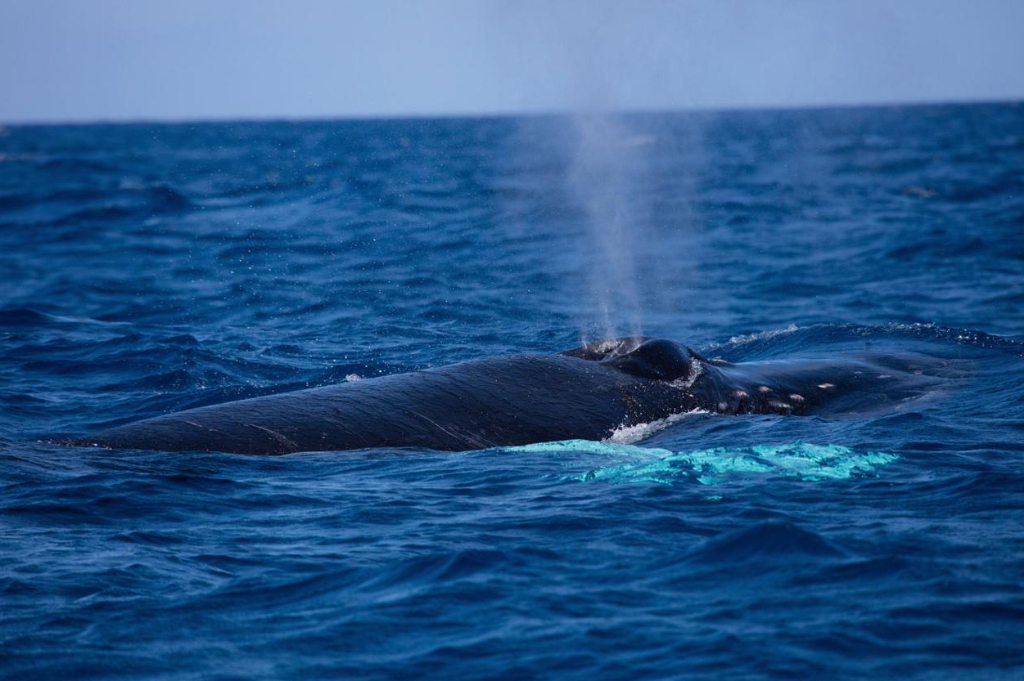
Discover how researchers determine humpback whale swimming direction in Samaná Bay using surface observations, repeated sightings, photographs, and tracking methods.
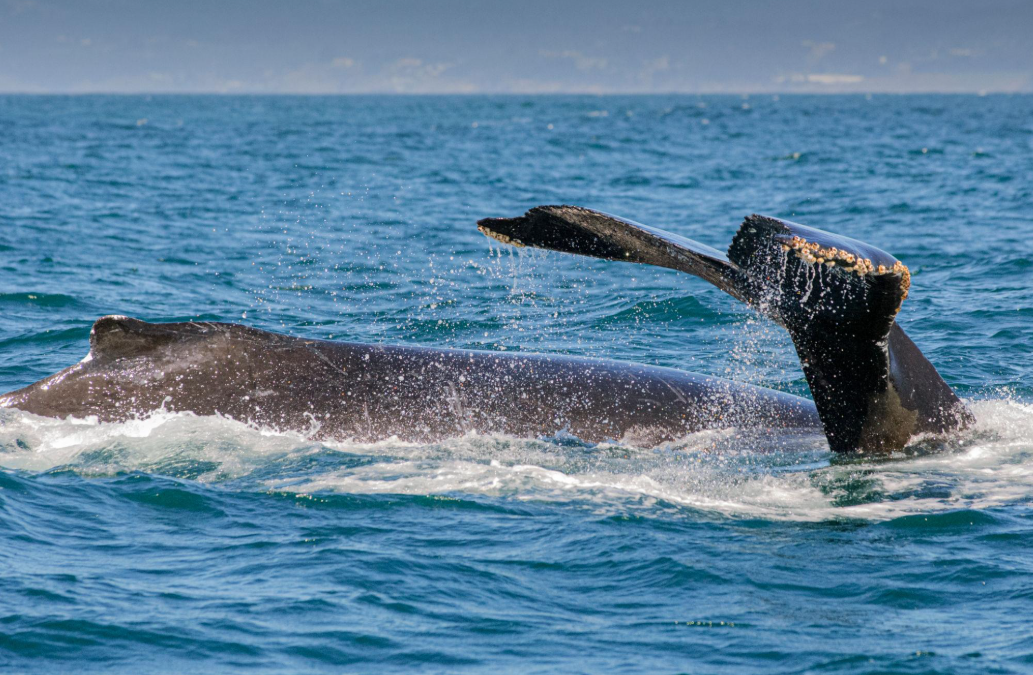
Discover how scientists measure the distance between humpback whales and research boats using visual estimates, rangefinders, GPS, and scientific survey methods.
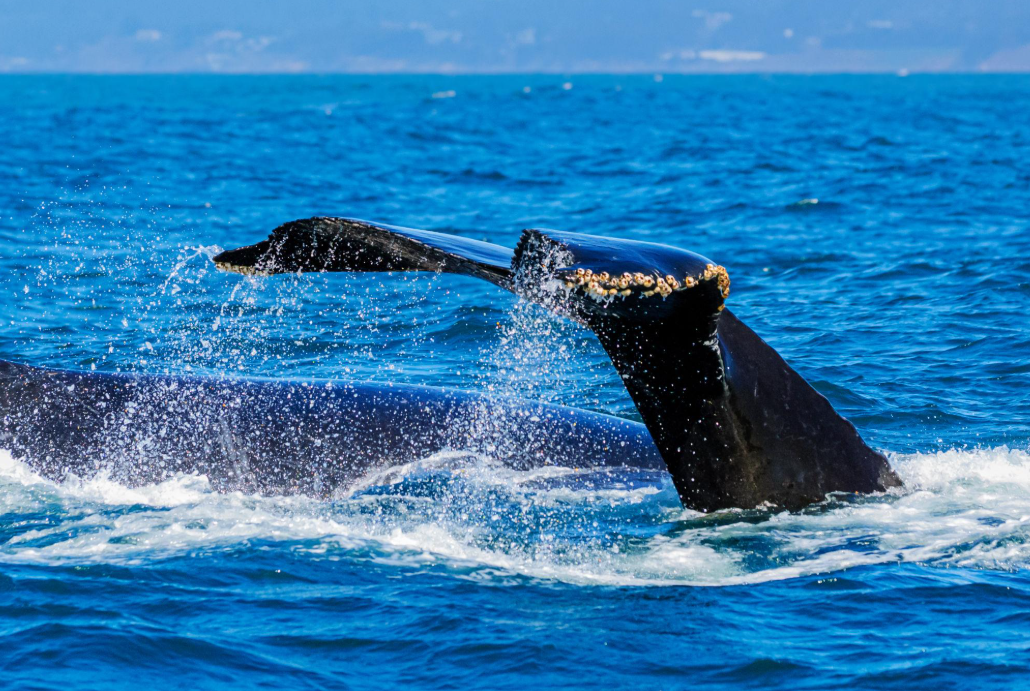
Learn how boat noise may affect humpback whale communication in Samaná Bay, how researchers measure underwater sound, and how responsible whale watching can reduce disturbance.
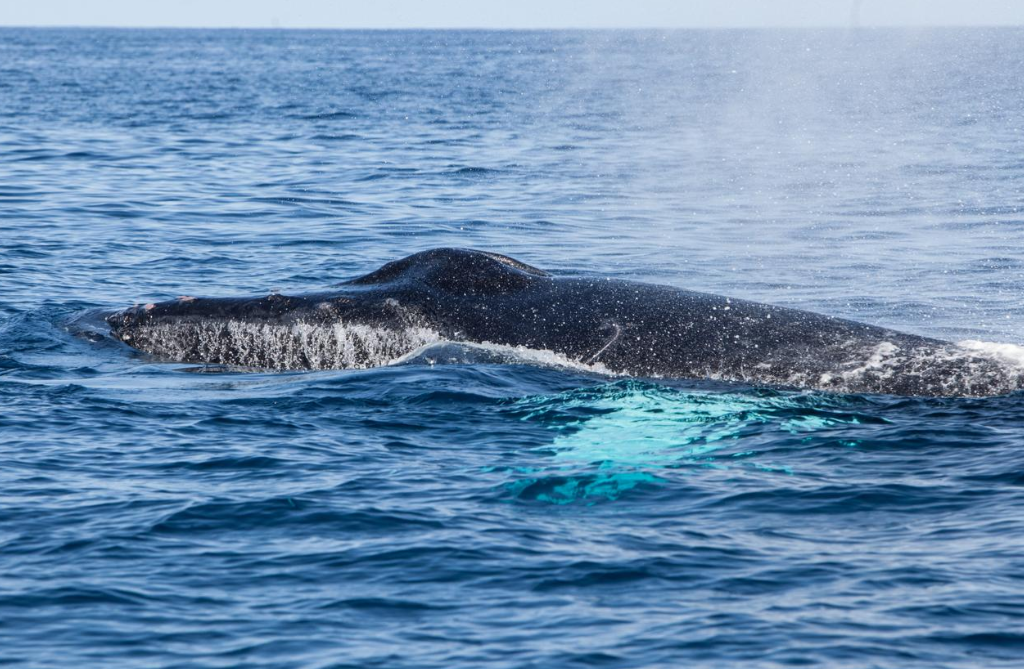
Discover how scientists record and analyze humpback whale calls in Samaná Bay, using underwater microphones to investigate whale communication and activity.
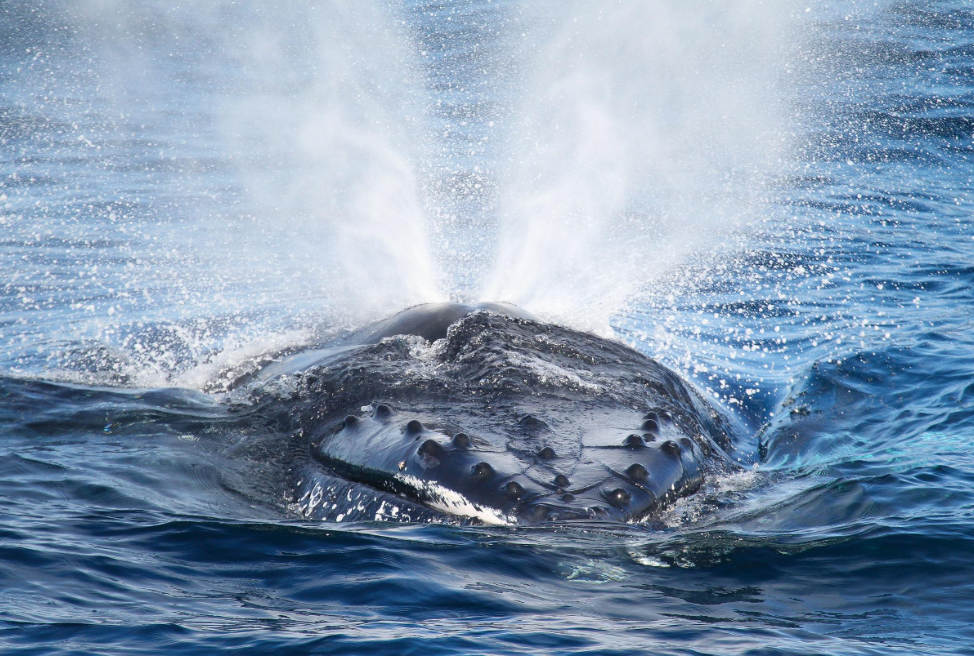
Discover how scientists distinguish real changes in humpback whale abundance from differences in visibility, weather, survey effort, and detection rates in Samaná Bay.
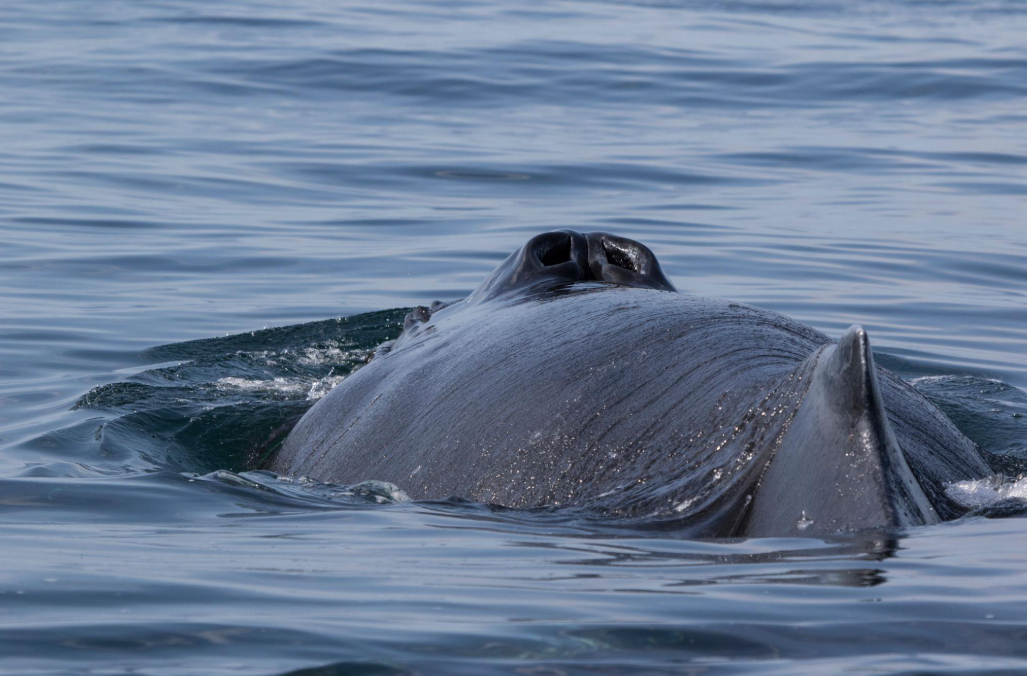
Learn how scientists map humpback whale sightings in Samaná Bay, compare locations, and identify frequently used areas while accounting for survey effort.
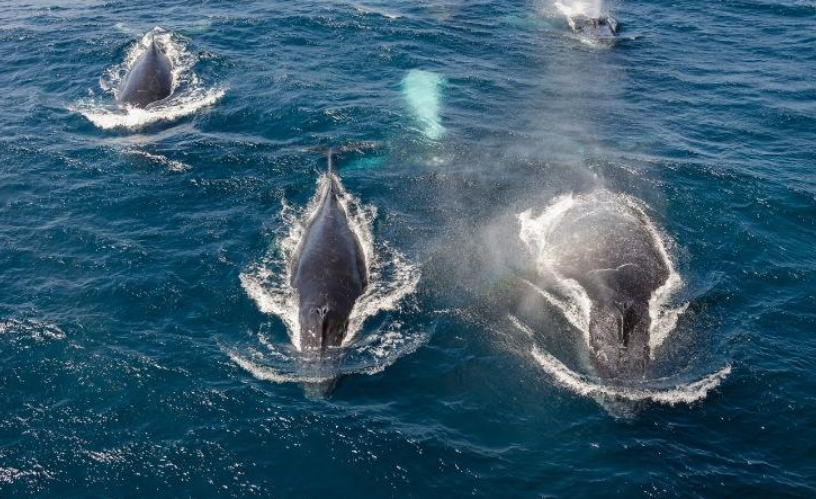
Learn how scientists estimate humpback whale residence time in Samaná Bay using repeat sightings, observation records, and statistical methods.
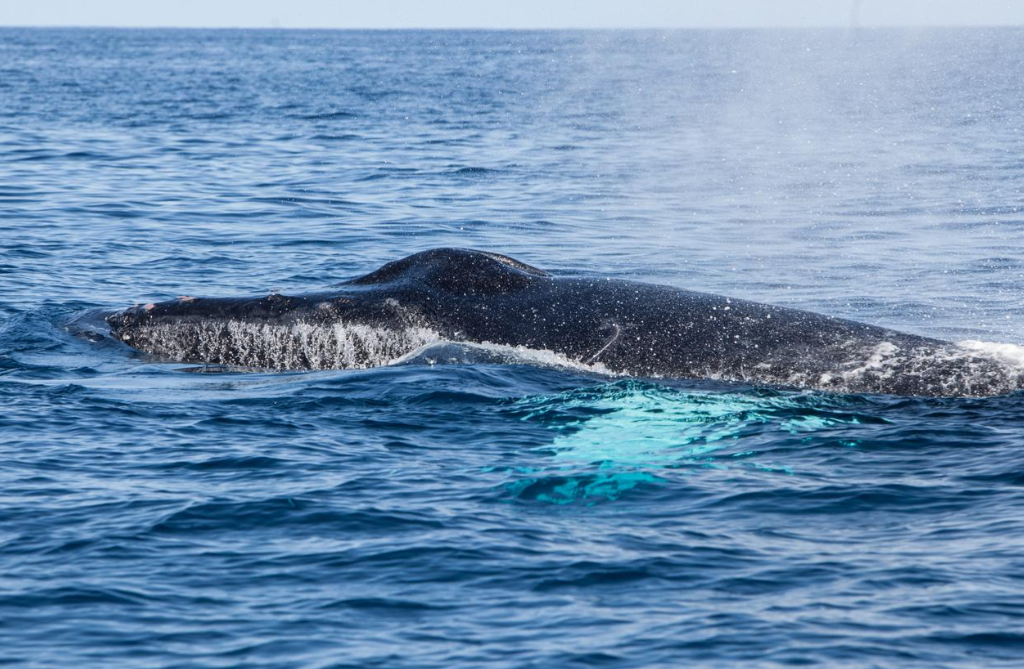
Discover how scientists use whale photo identification and long-term sighting records to investigate whether humpback whales return to Samaná Bay in different years.
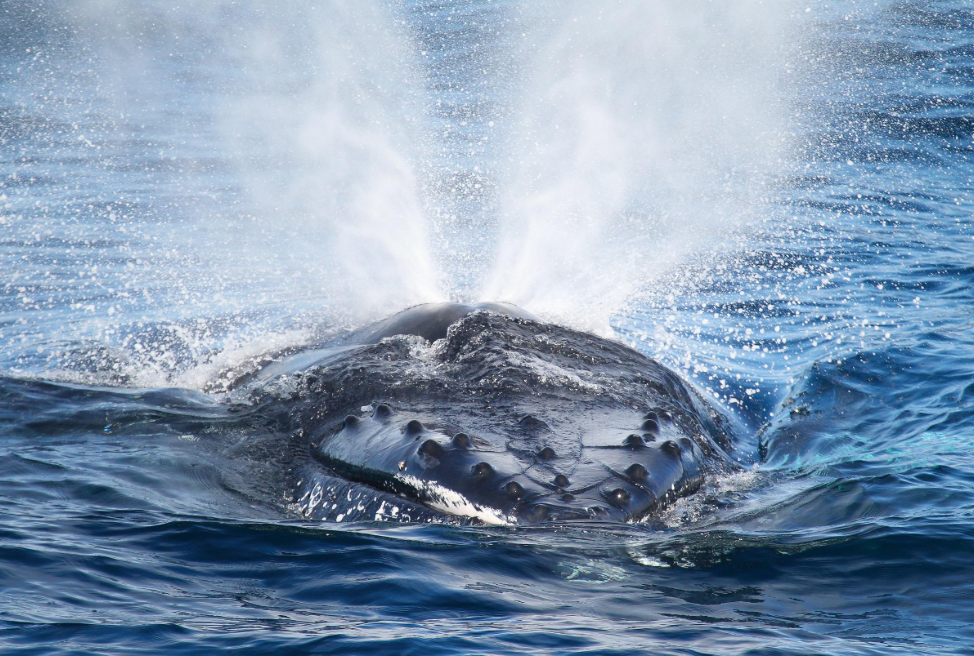
Learn how researchers track humpback whale movements in Samaná Bay using photo identification, observation records, and scientific tracking methods.
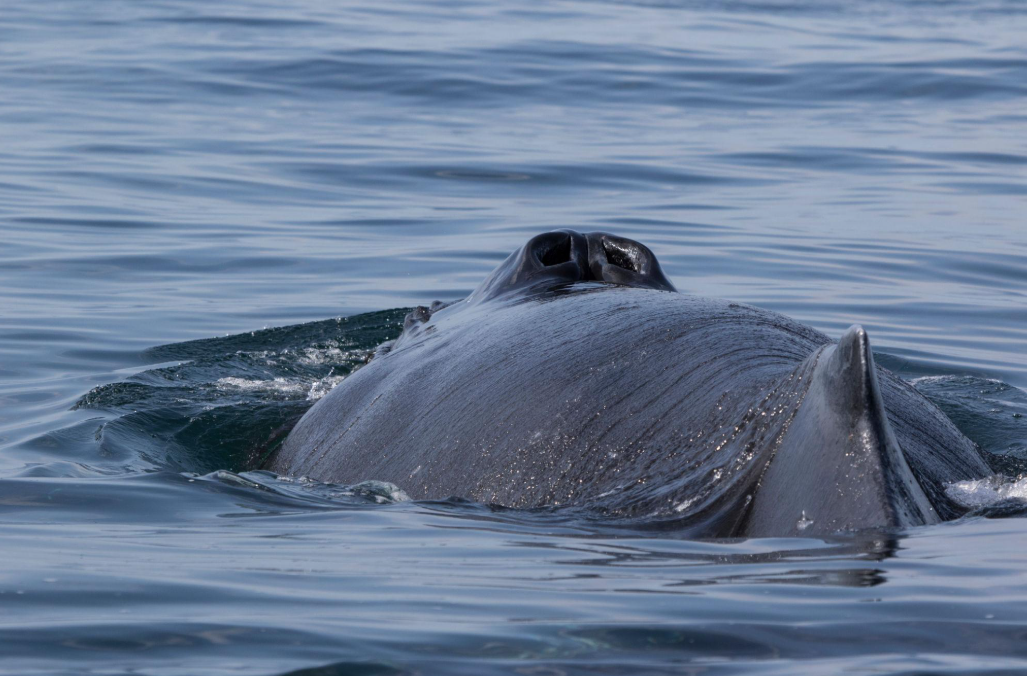
Discover how ocean currents may influence humpback whale movement in Samaná Bay and how scientists distinguish drifting water from active whale swimming.
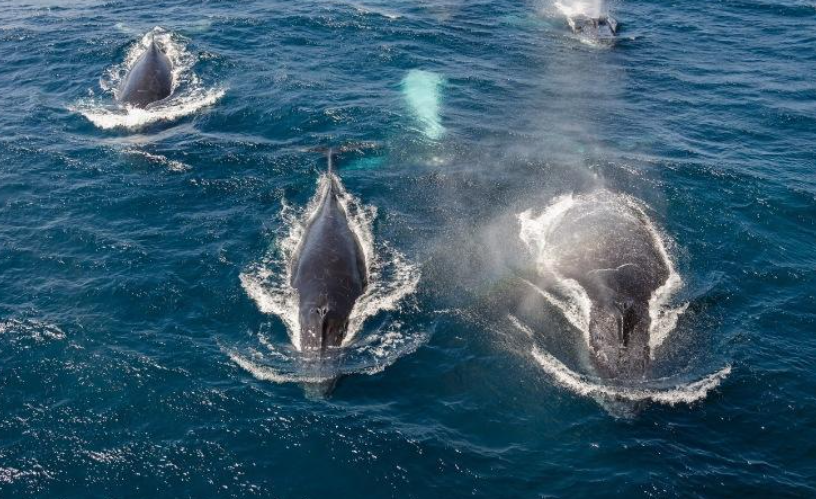
Discover how ocean temperature influences humpback whale habitat, seasonal movements, and marine conditions in Samaná Bay, Dominican Republic.
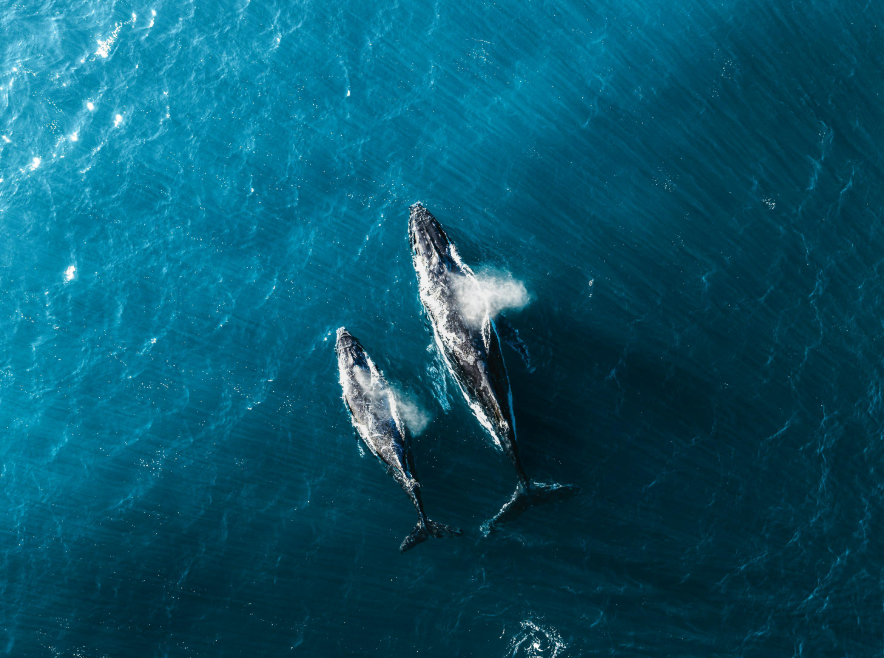
Discover how water clarity, sunlight, and suspended particles affect humpback whale visibility and whale-watching experiences in Samaná Bay, Dominican Republic.
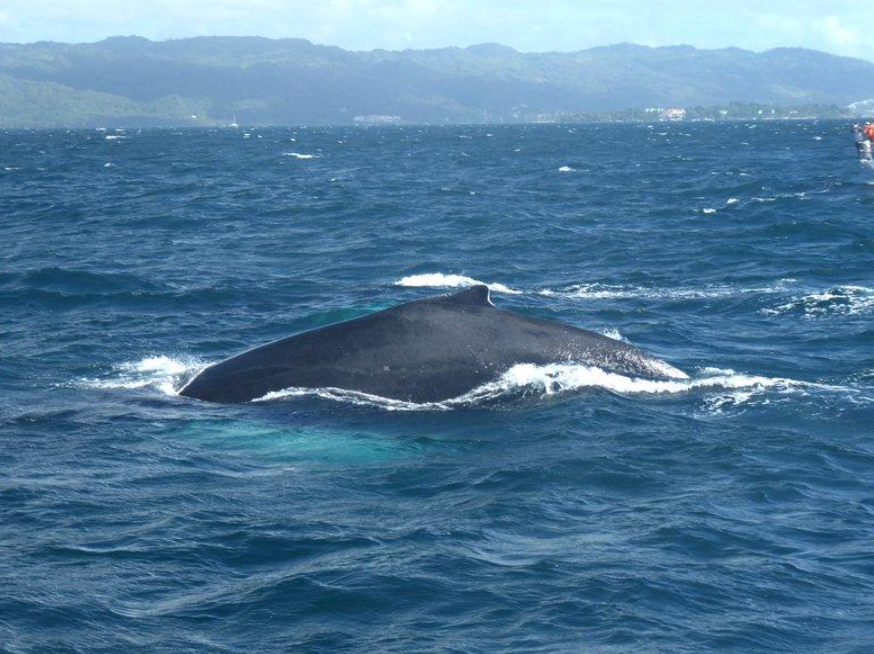
Explore how water depth, underwater terrain, and coastal geography may influence humpback whale movement and sightings in Samaná Bay, Dominican Republic.
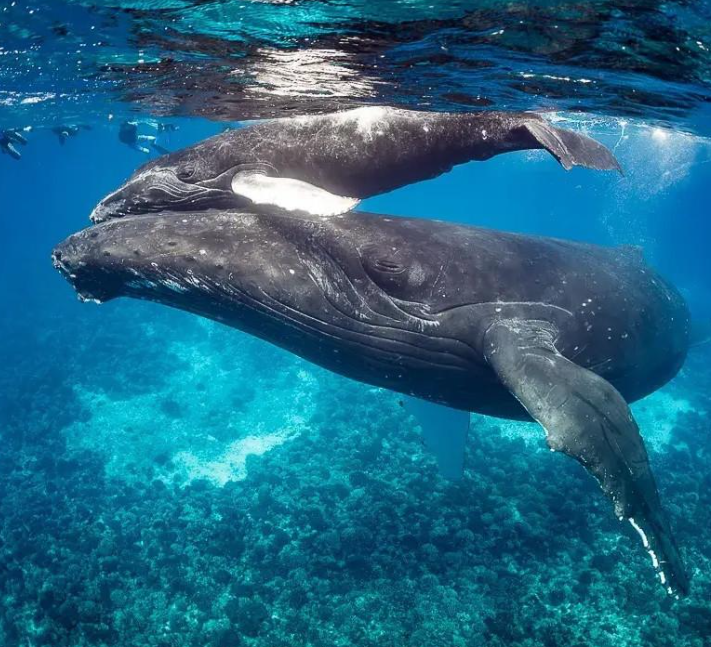
Learn why humpback whales may take several breaths before a long dive and what visitors can observe during whale-watching trips in Samaná Bay.
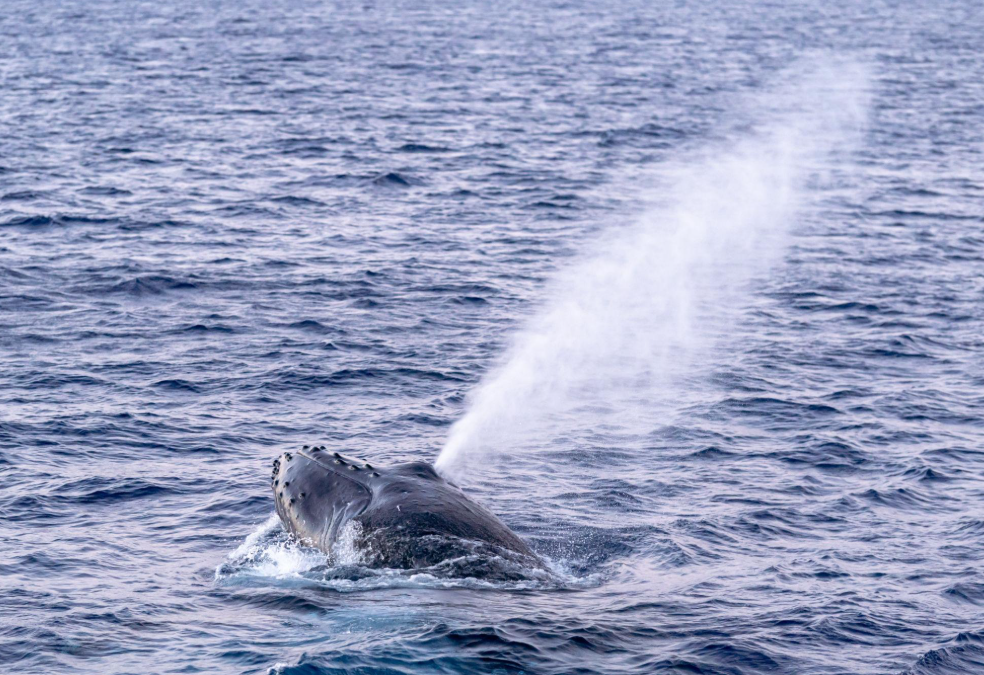
Discover how humpback whales breathe while resting in Samaná Bay, how often they surface, and what whale watchers can observe during calm encounters.
Discover how humpback whales respond to nearby whales through changes in distance, direction, and behavior during the breeding season in Samaná Bay.
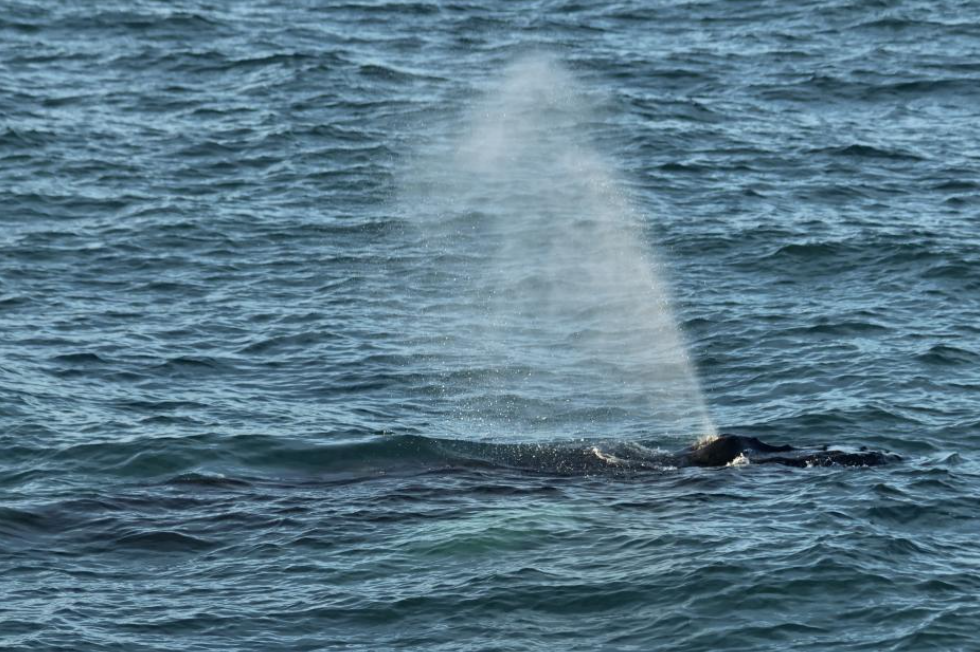
Explore how humpback whales use different areas of Samaná Bay during breeding season and how researchers study their habitat preferences.
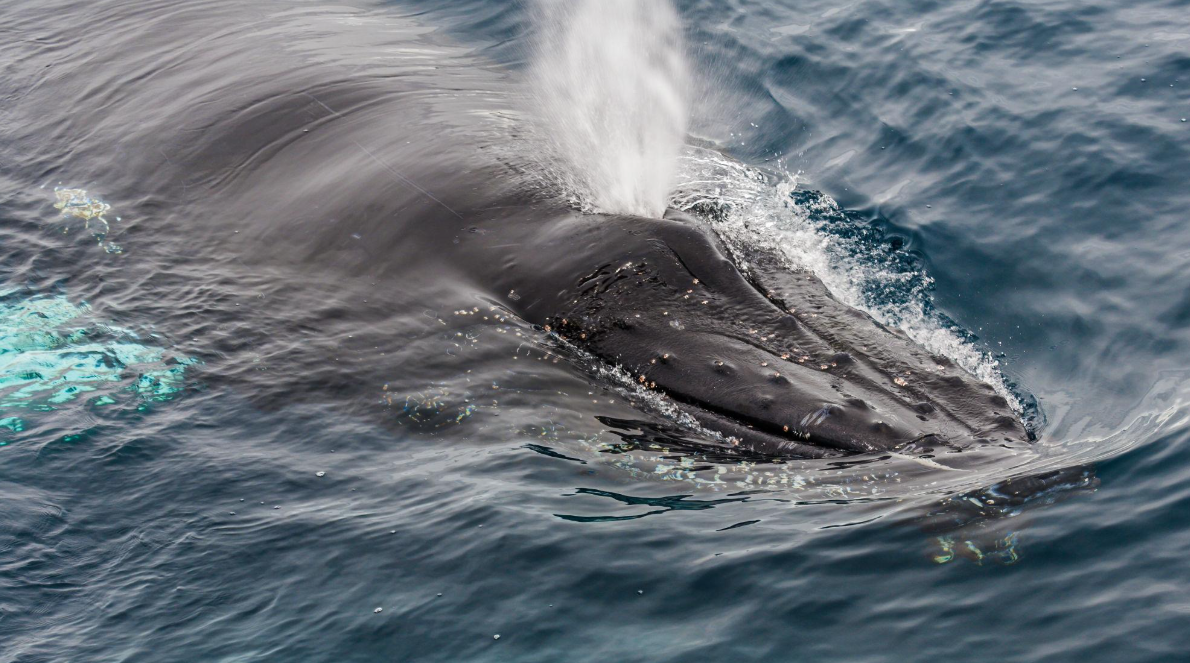
Discover why humpback whales arrive in Samaná Bay at different times, what influences seasonal timing, and how scientists monitor arrival patterns.
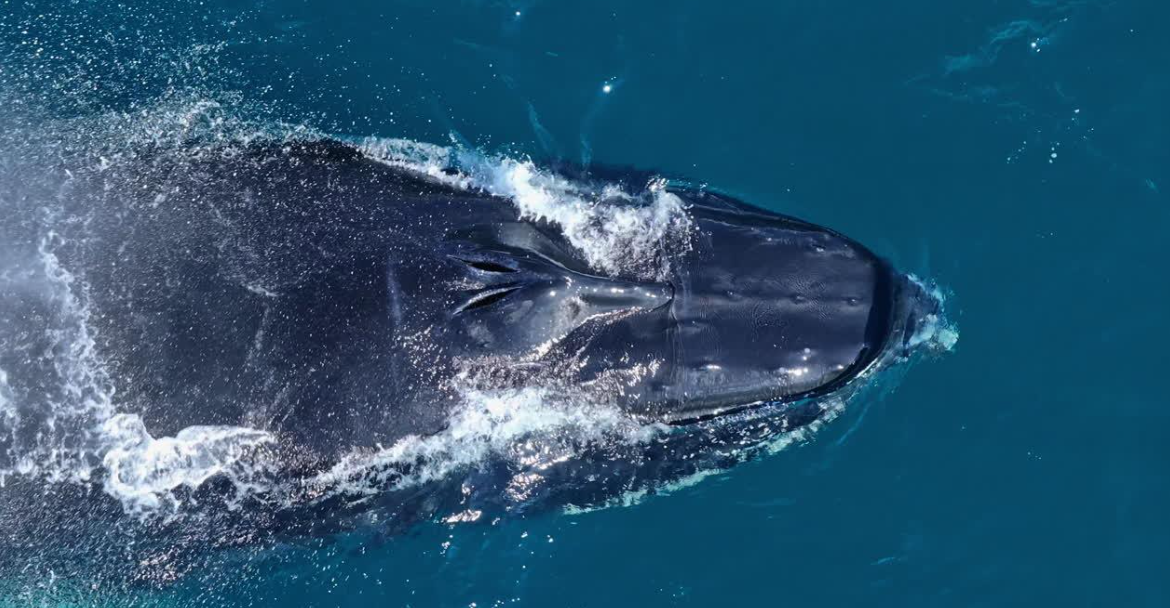
Learn how researchers estimate humpback whale numbers in Samaná Bay using surveys, photo identification, and scientific counting methods.
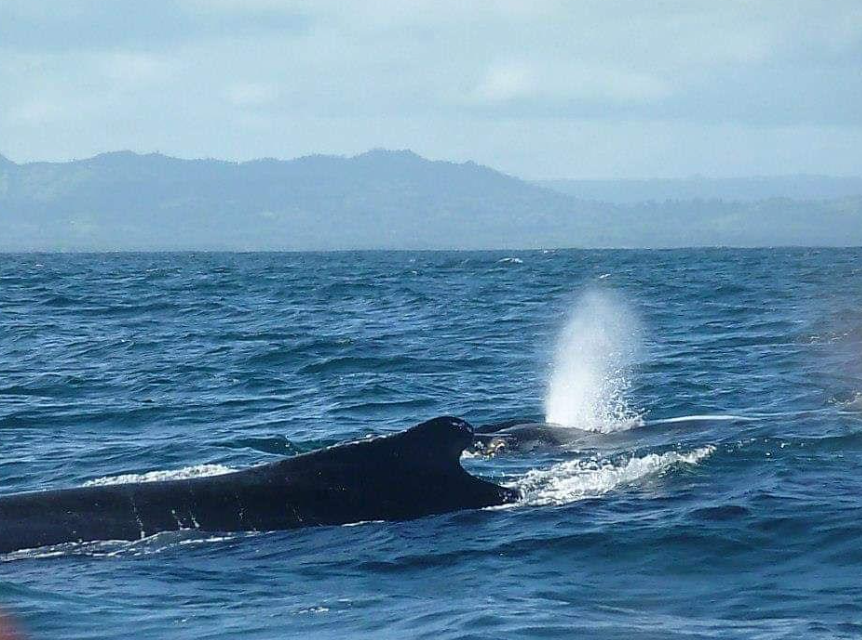
Discover how humpback whales may navigate to Caribbean breeding grounds, including Samaná Bay, using environmental cues, memory, and possible magnetic signals.
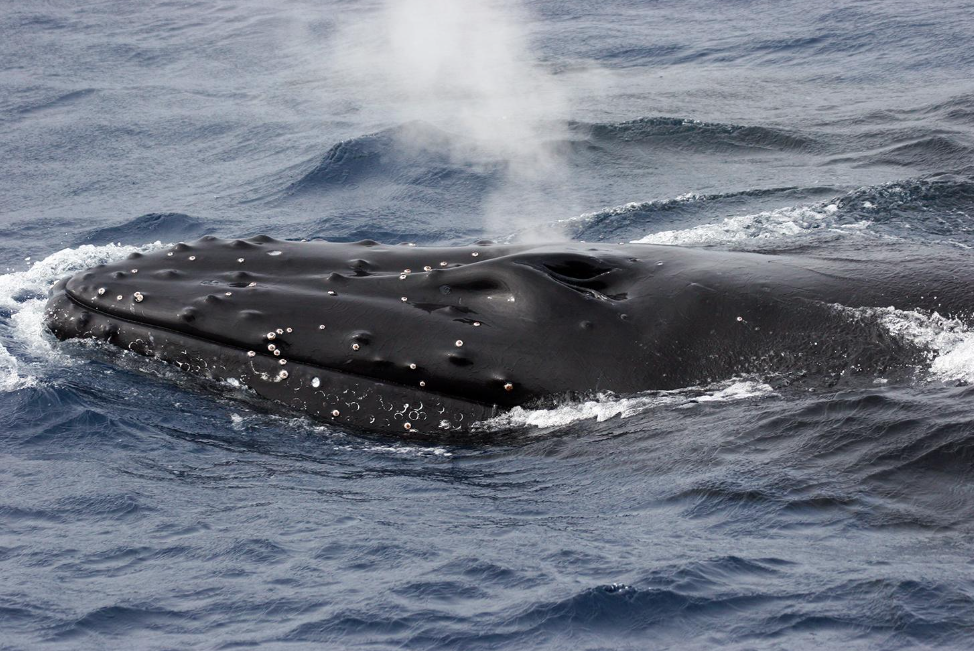
Learn how scientists study humpback whale reproduction in Samaná Bay, including breeding behavior, pregnancy, calf observations, and reproductive research.
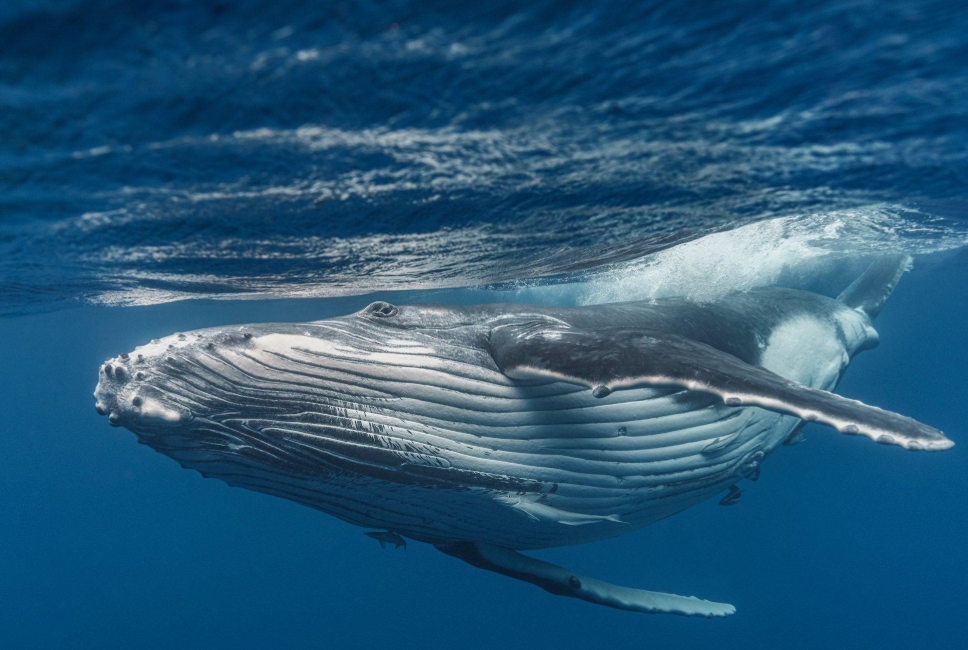
Discover how scientists estimate humpback whale age, study whale development, and learn why the exact age of a wild whale can be difficult to determine.
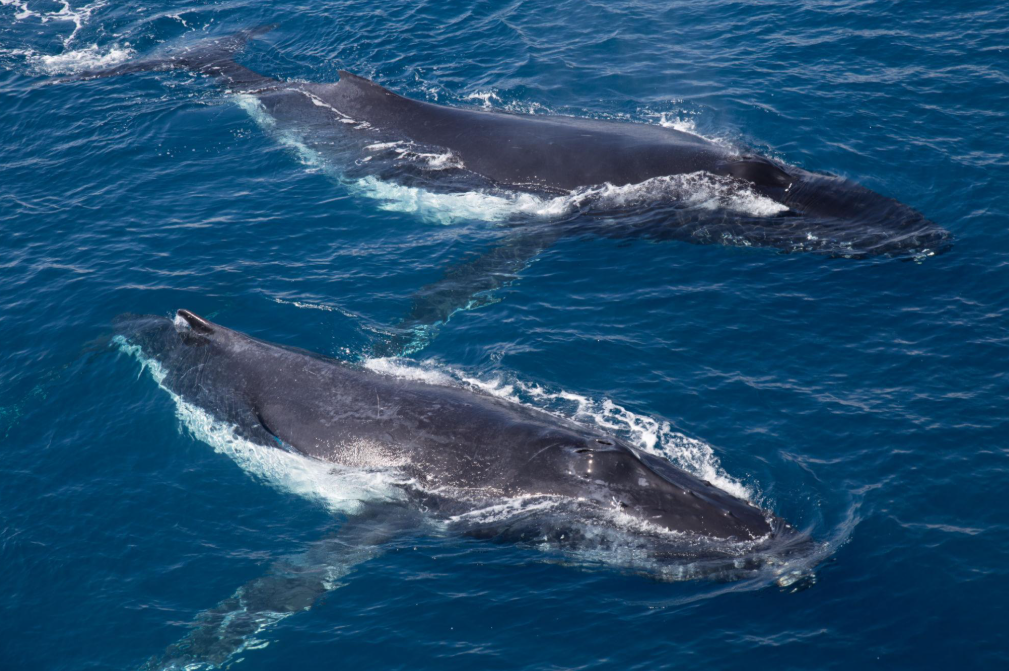
Discover how scientists use humpback whale photographs to identify individuals, document sightings, and understand migration routes connected to Samaná Bay.
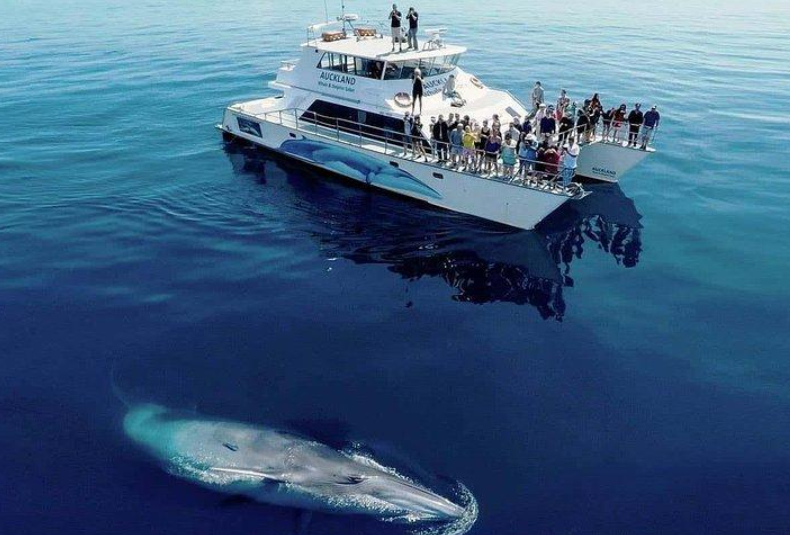
Discover why humpback whales raise their tail flukes in Samaná Bay, how tail markings help identify individuals, and what whale watchers can observe.
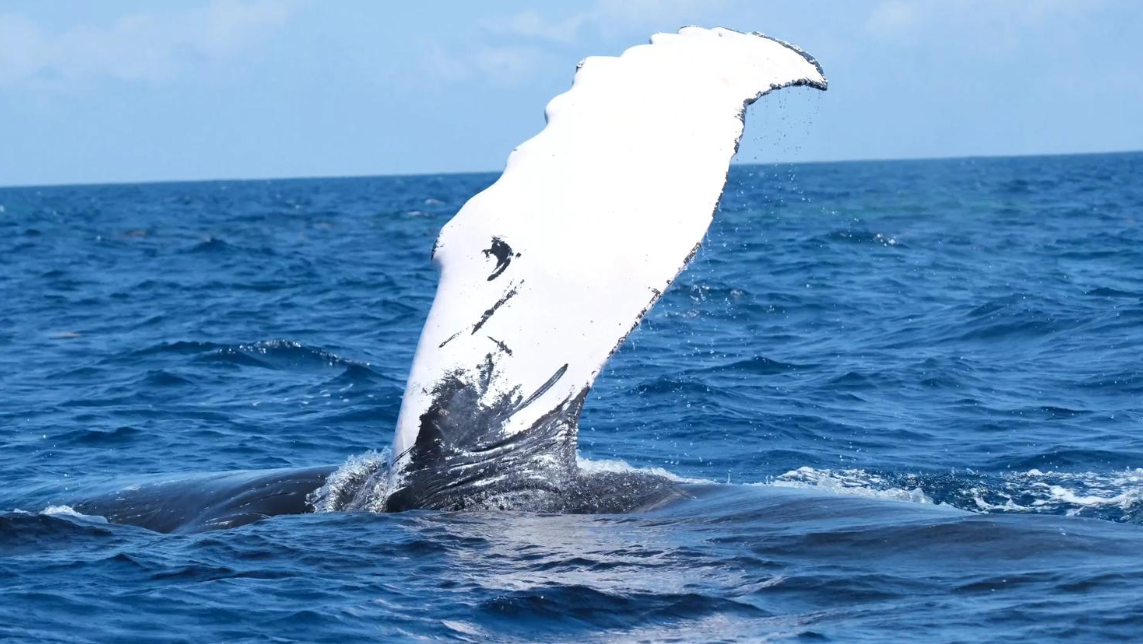
Learn how to recognize possible humpback whale sightings in Samaná Bay, distinguish them from waves and splashes, and observe marine wildlife responsibly.
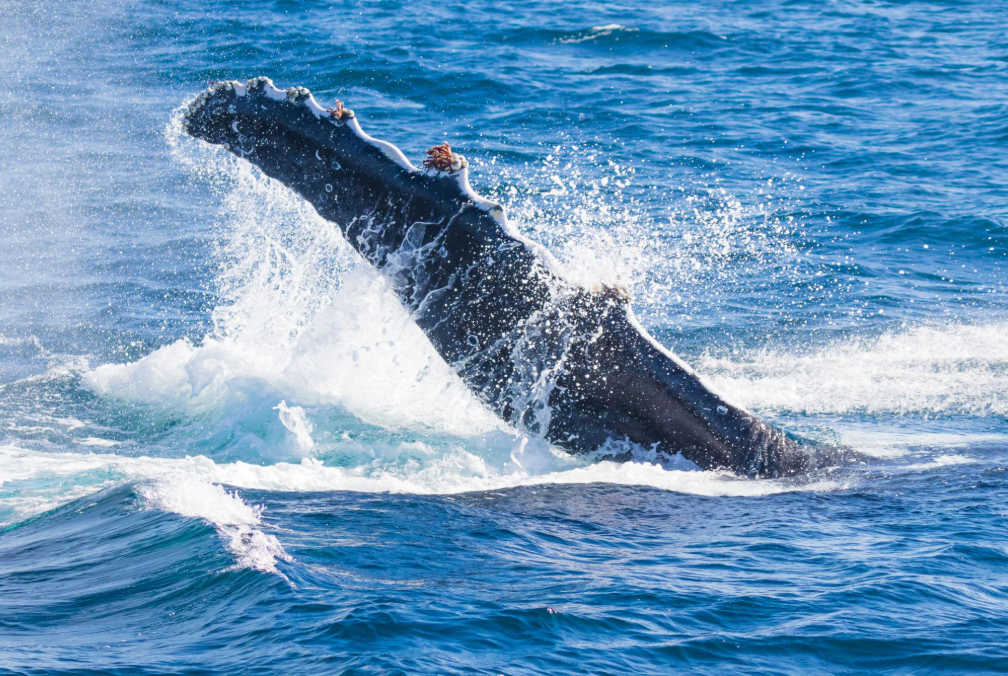
Find out what happens if you don't see whales in Samaná Bay, how sighting policies work, and how to prepare for a rewarding whale-watching trip.
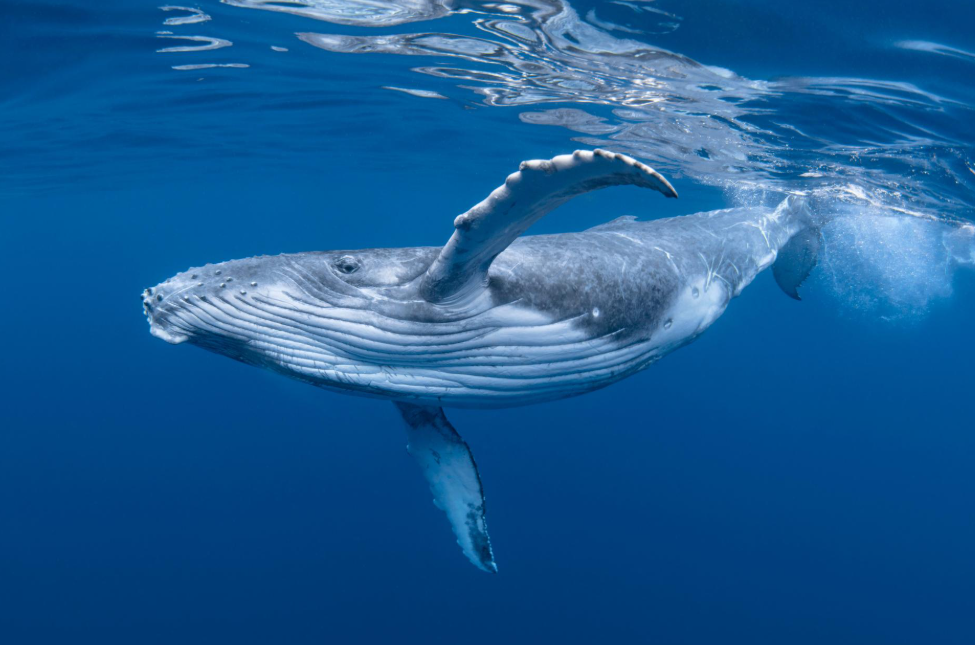
Learn why sunlight makes the ocean look silver during whale watching in Samaná Bay and how reflections affect wildlife viewing and photography.
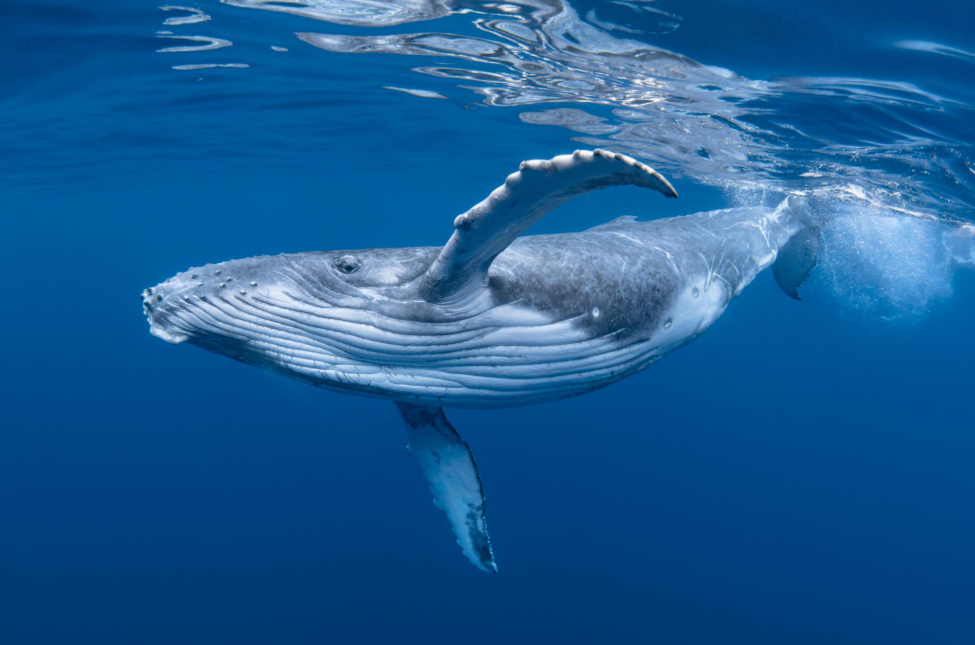
Find out why water can appear darker near whale-watching boats in Samaná Bay and how shadows, reflections, and sunlight affect ocean views.
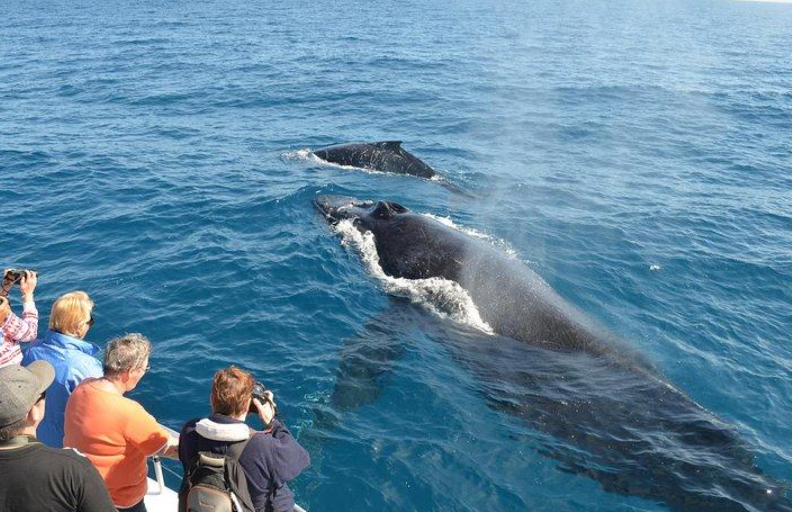
Discover why the ocean appears different shades of blue and green during whale watching in Samaná Bay, Dominican Republic.
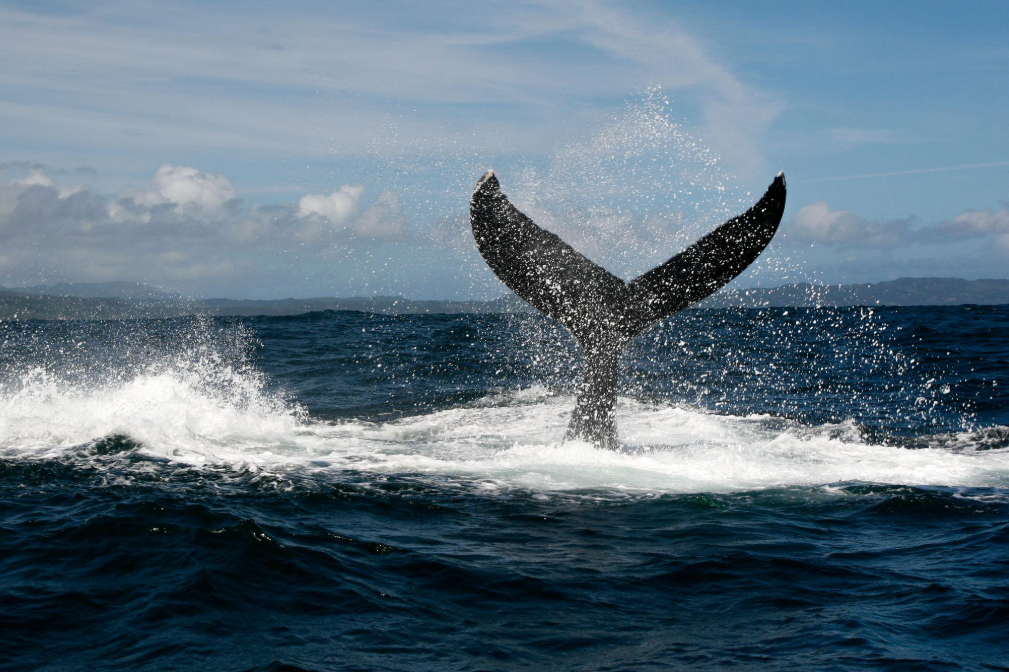
Discover why smooth patches appear on the ocean during whale watching in Samaná Bay and how wind, currents, and light affect what visitors see.
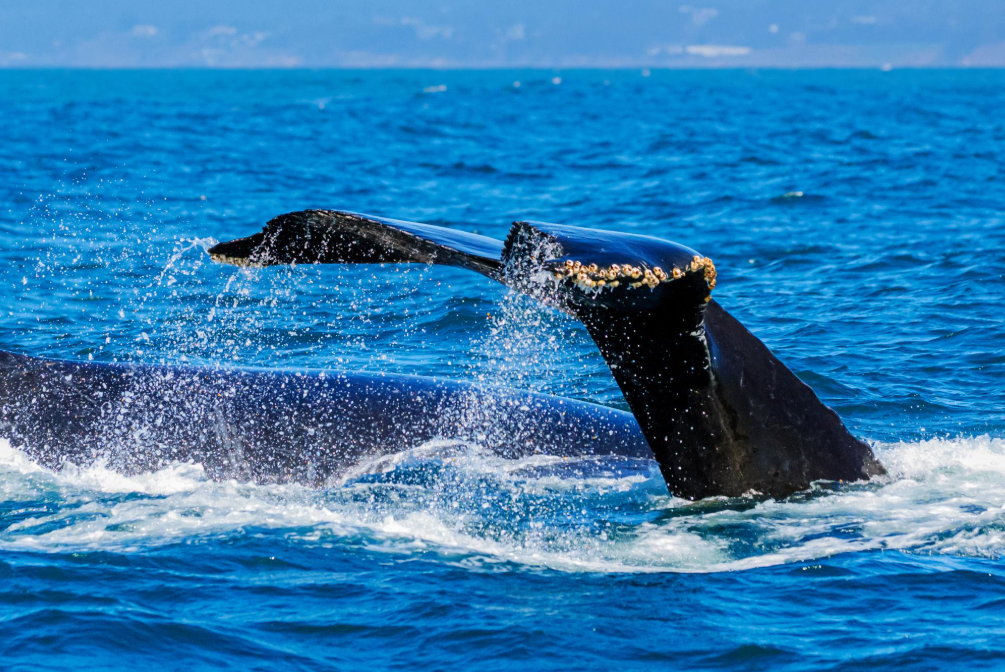
Learn why ripples and subtle surface disturbances can appear when humpback whales are underwater during a whale-watching trip in Samaná Bay.
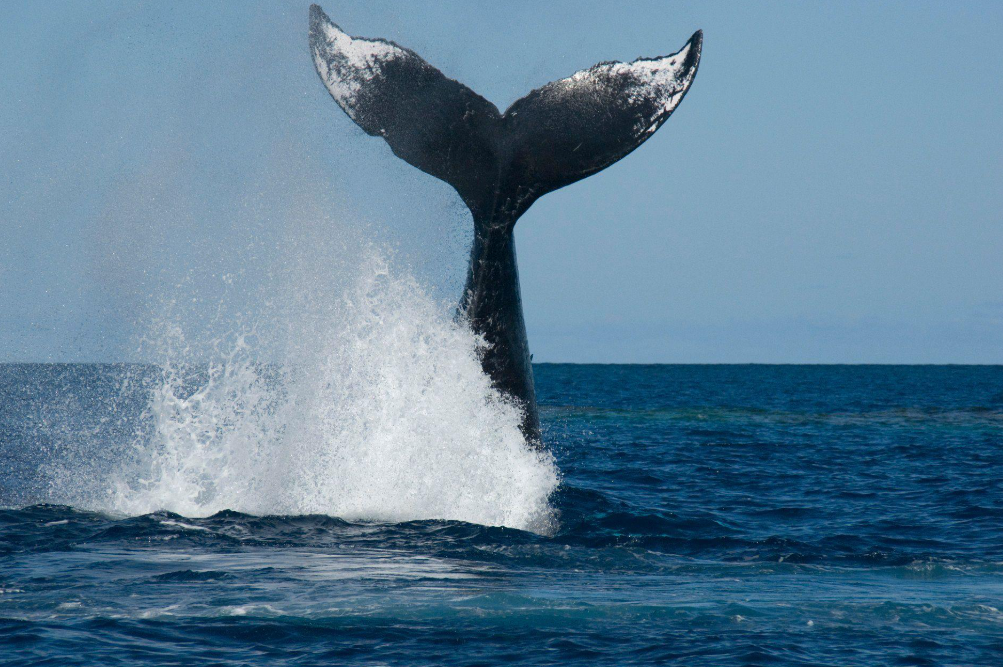
Discover why humpback whales sometimes reveal only part of their backs during whale watching in Samaná Bay, Dominican Republic.
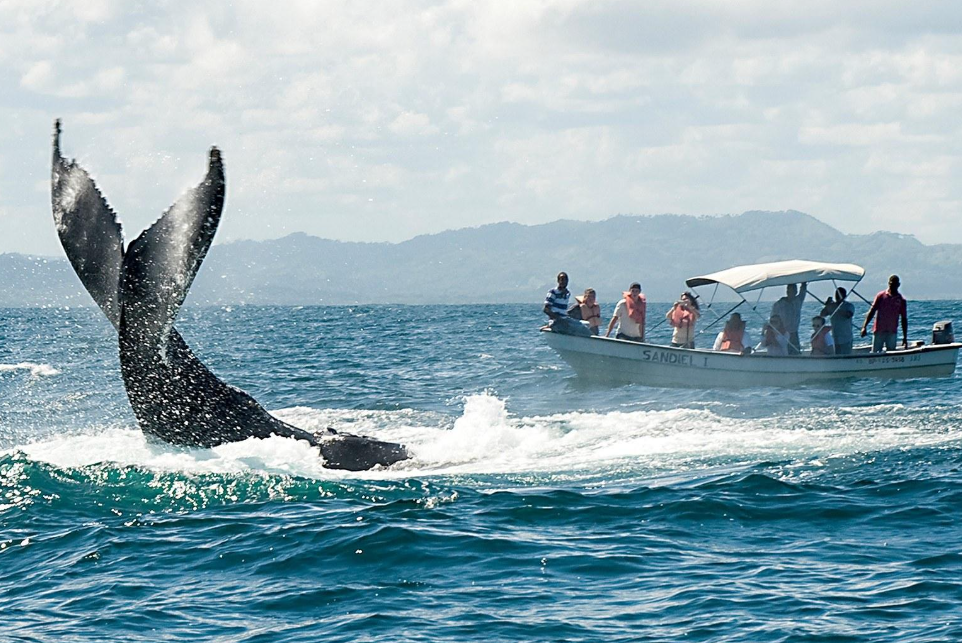
Learn why humpback whales may appear at an angle when surfacing in Samaná Bay, what their body position can tell whale watchers, and how to observe them responsibly.
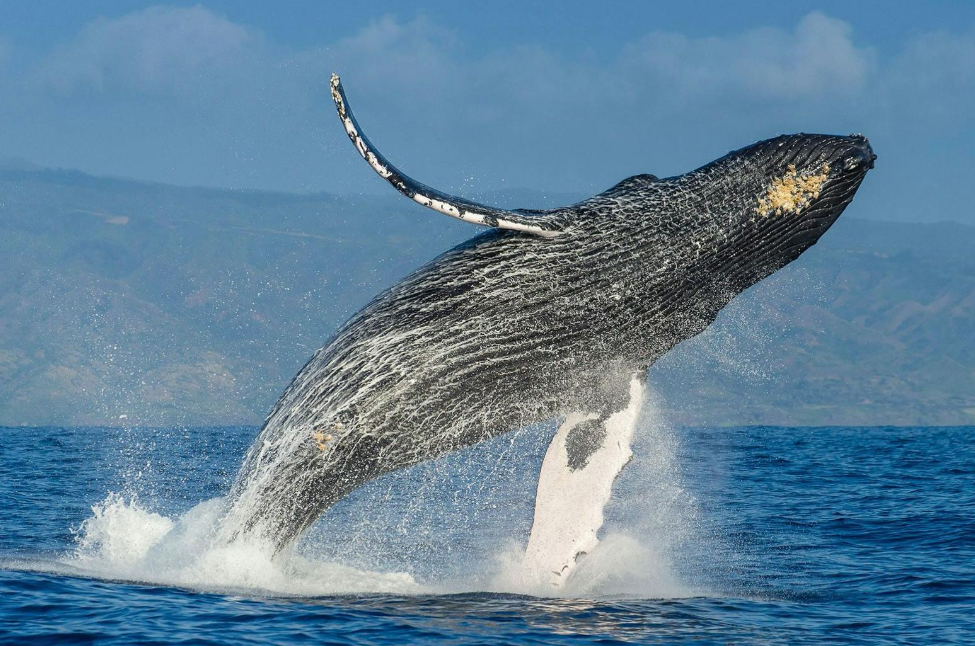
Learn how to recognize possible signs that a humpback whale is about to dive in Samaná Bay, from changes in its back position to a visible tail fluke.
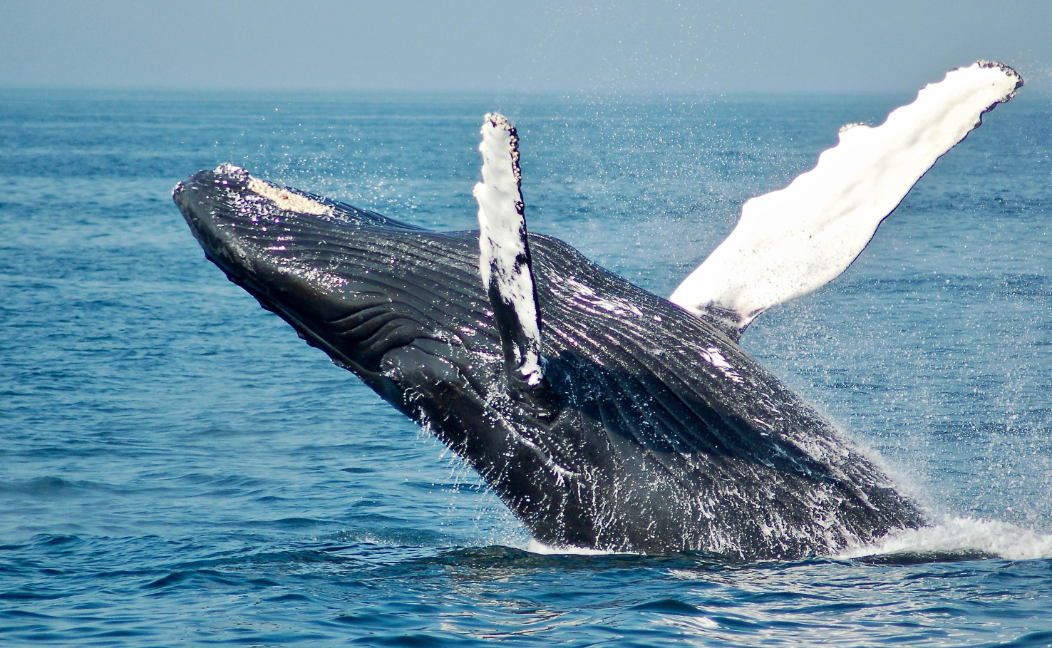
Discover why humpback whales sometimes lift their heads above the water in Samaná Bay and learn how to recognize this fascinating behavior during a whale-watching tour.
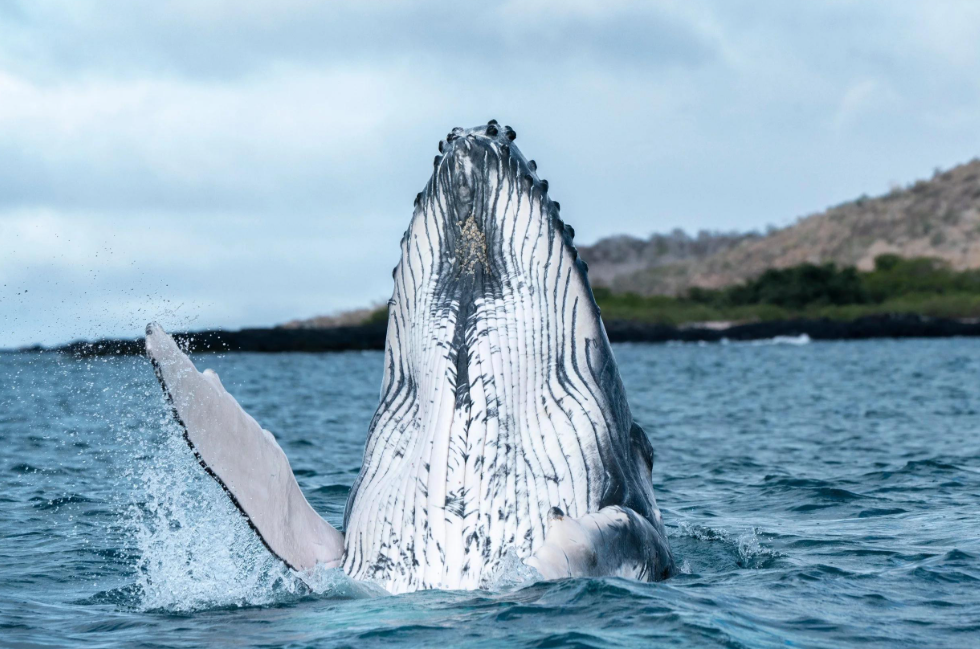
Learn why humpback whales may change direction underwater in Samaná Bay, what whale watchers can observe, and why their next surfacing may surprise visitors.
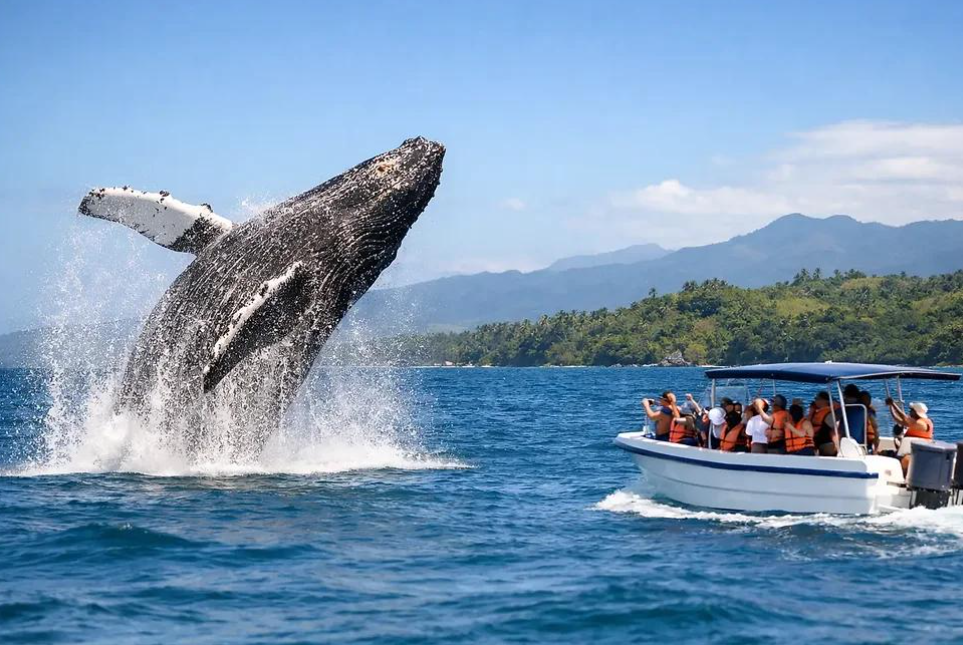
Discover why humpback whales change swimming speed in Samaná Bay, what their movements may reveal, and how to observe these changes responsibly on a whale-watching tour.
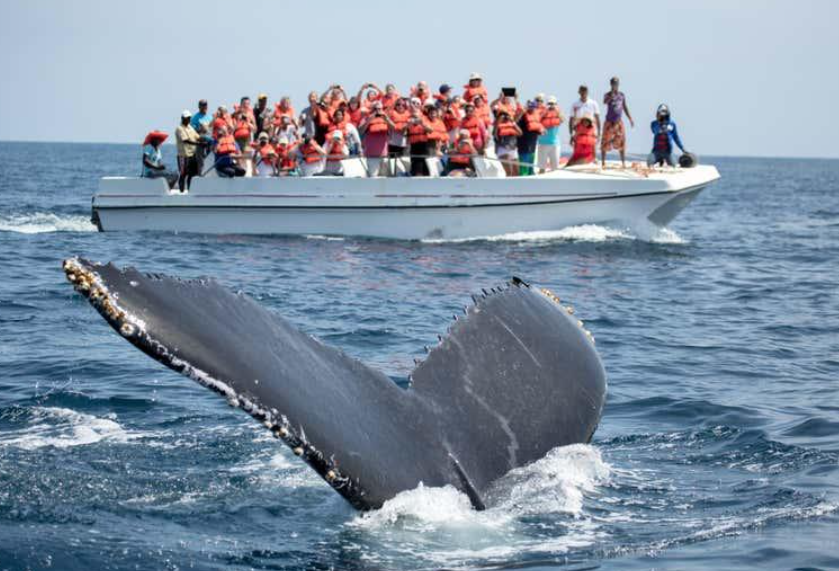
Discover why humpback whales may swim in circular paths in Samaná Bay and learn how to interpret their movements during a responsible whale-watching trip.
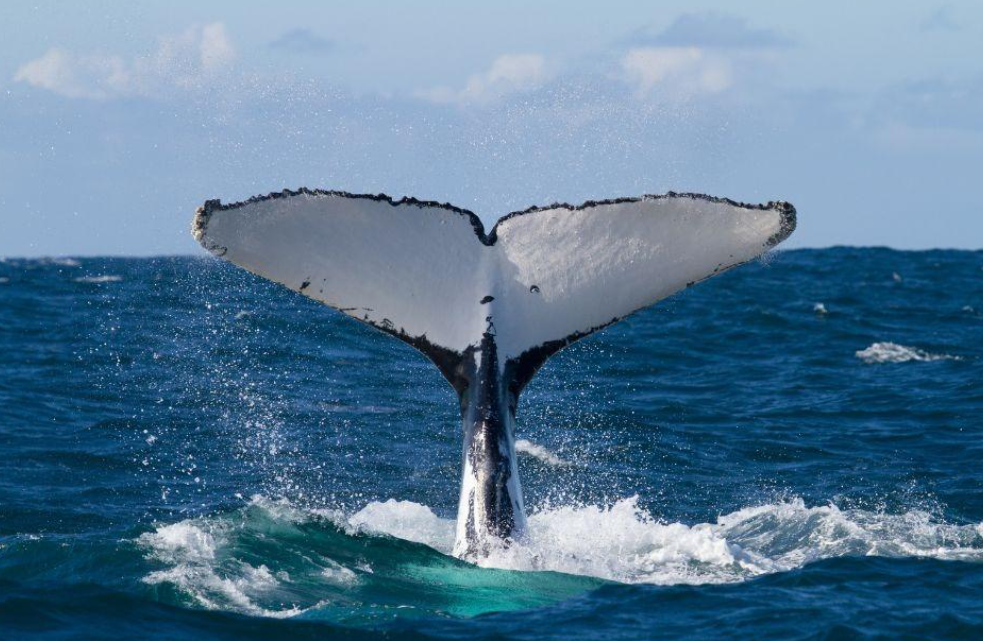
Discover why humpback whales roll sideways at the surface in Samaná Bay and learn how to observe this intriguing behavior during whale watching.
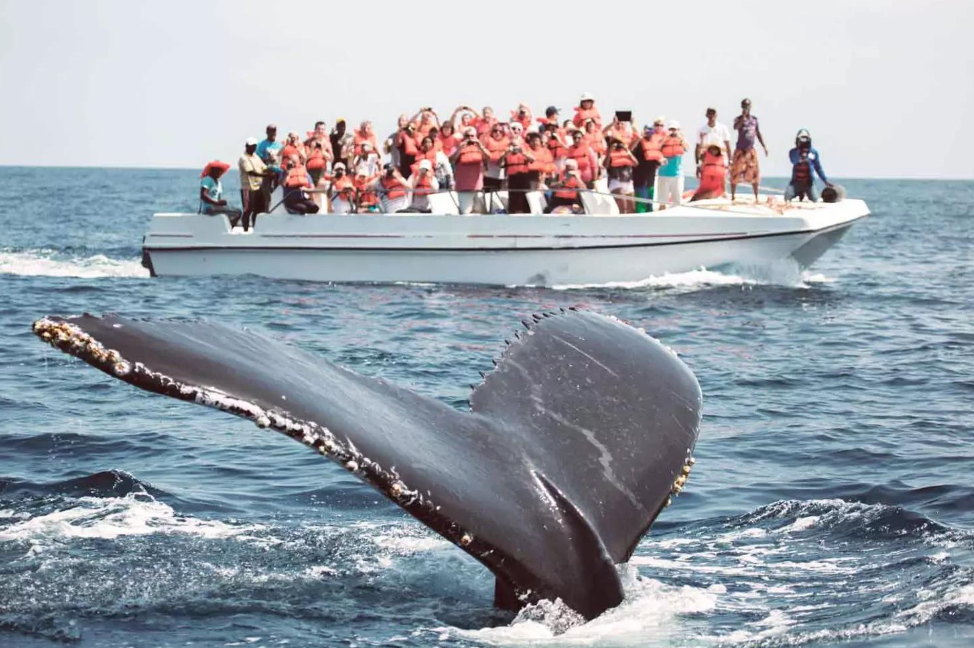
Discover how whale-watching guides estimate distances to humpback whales in Samaná Bay and why keeping a respectful distance matters.
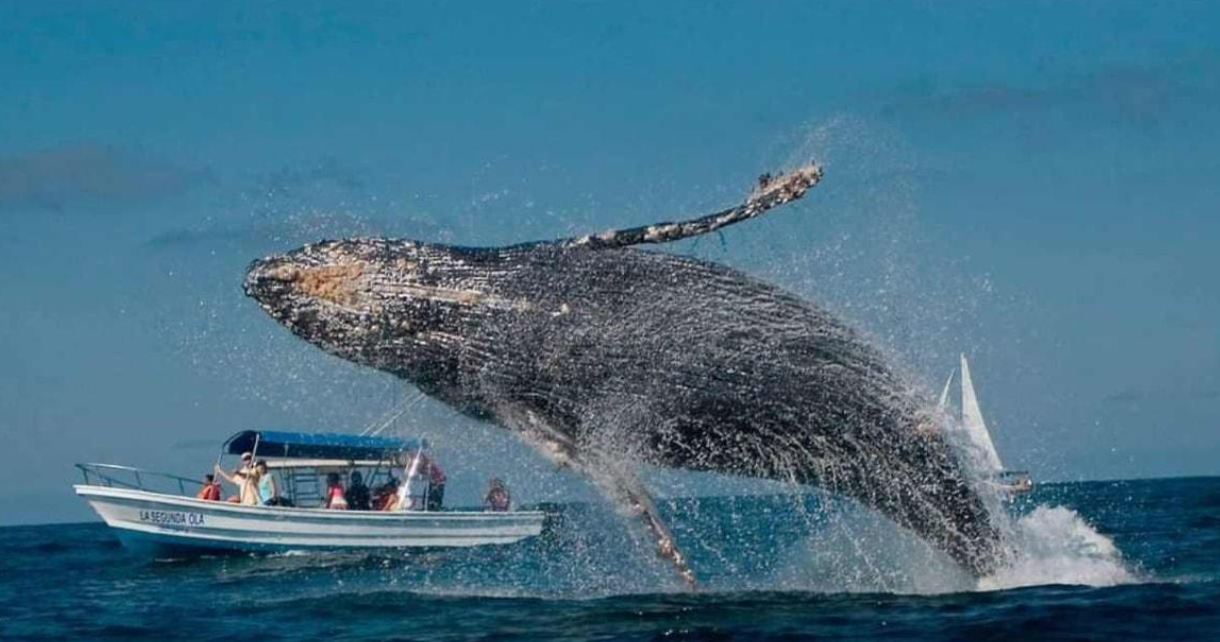
Discover why humpback whales may repeatedly surface in one area of Samaná Bay and how whale watchers can interpret these patterns responsibly.
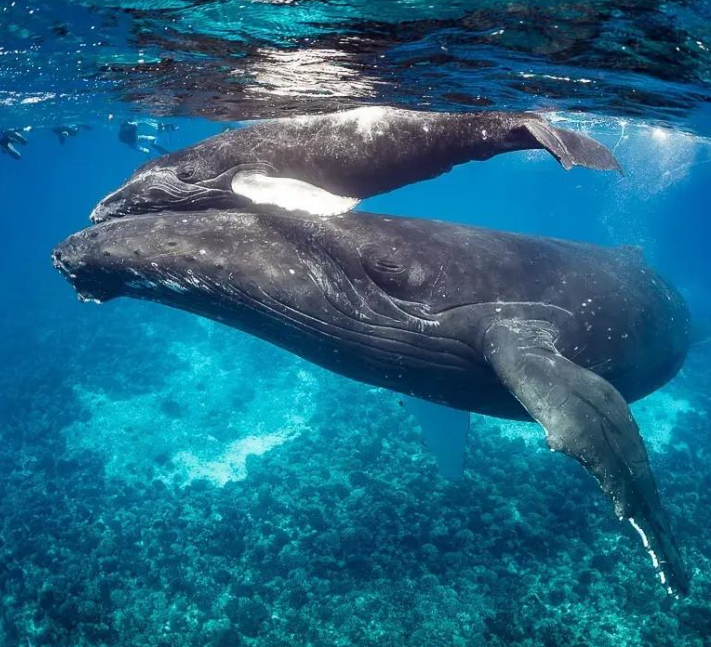
Learn why a humpback whale’s blow can look different in windy weather during Samaná whale watching, and discover how wind affects what visitors see.
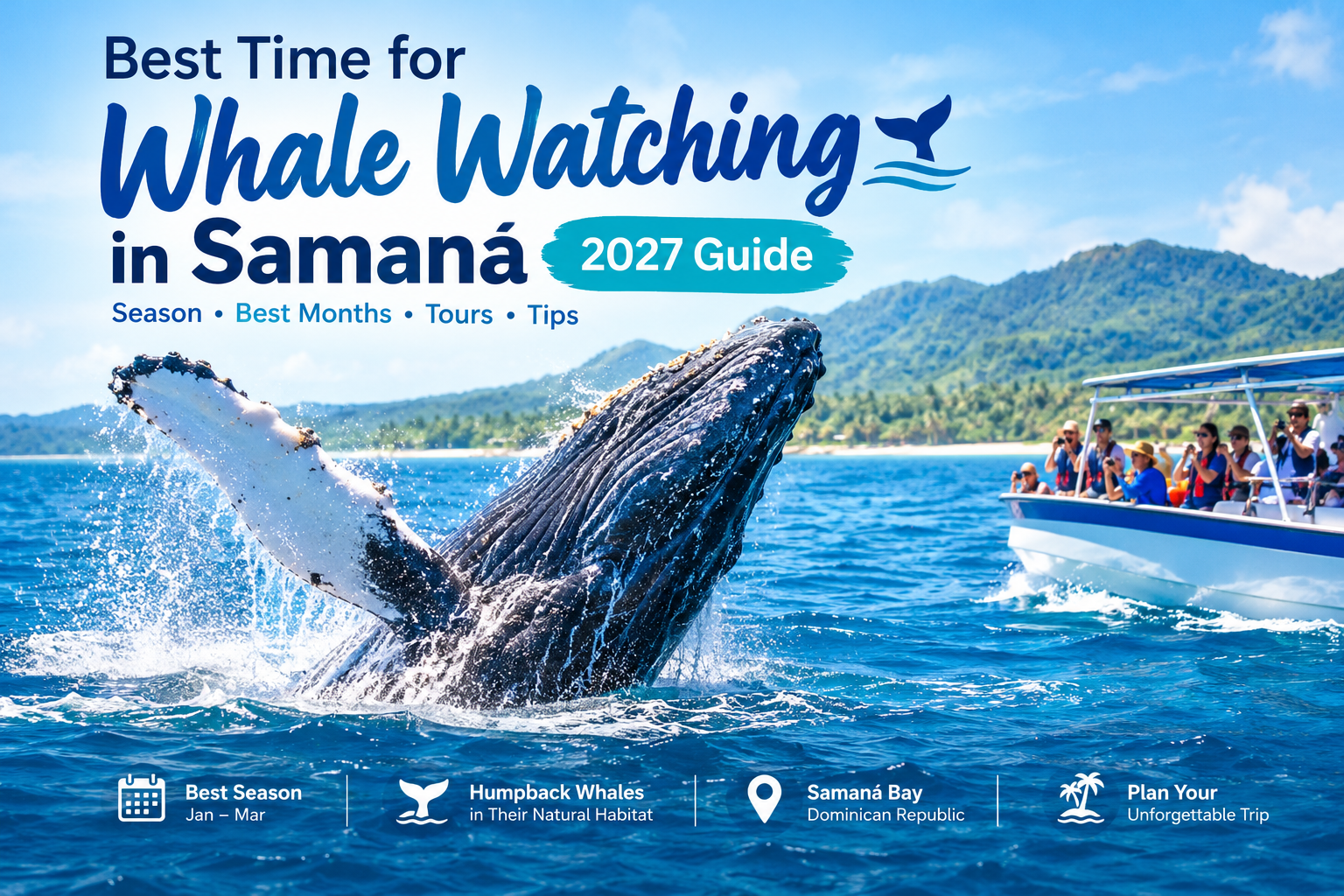
Best time for whale watching in Samaná in 2027: discover the season, best months, what to expect, tour tips and how to plan your trip.
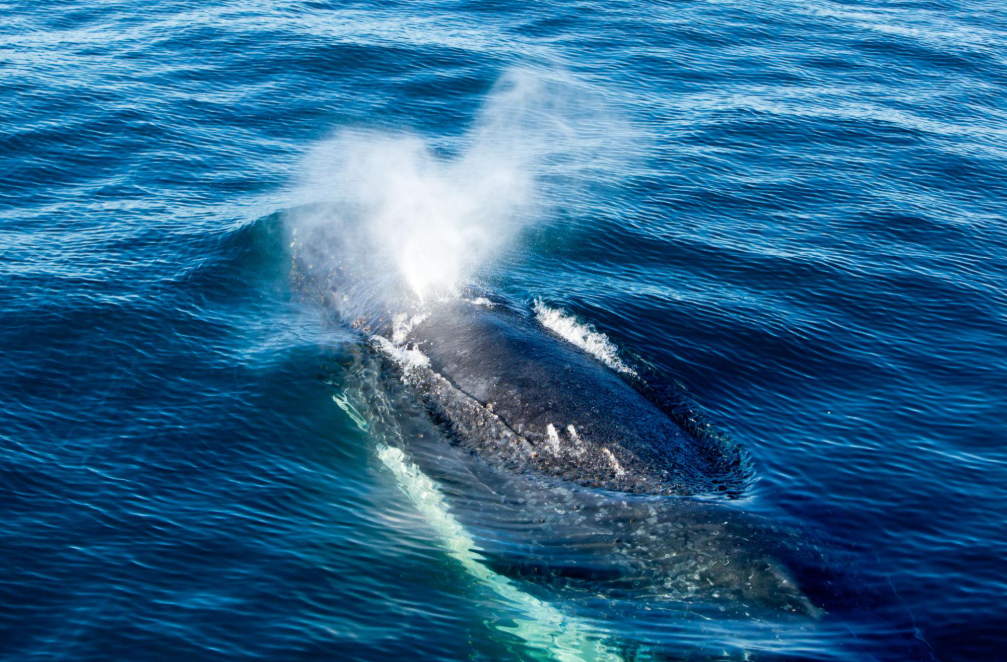
Discover why humpback whales have two blowholes, how their breathing openings work, and what visitors can learn while whale watching in Samaná Bay.
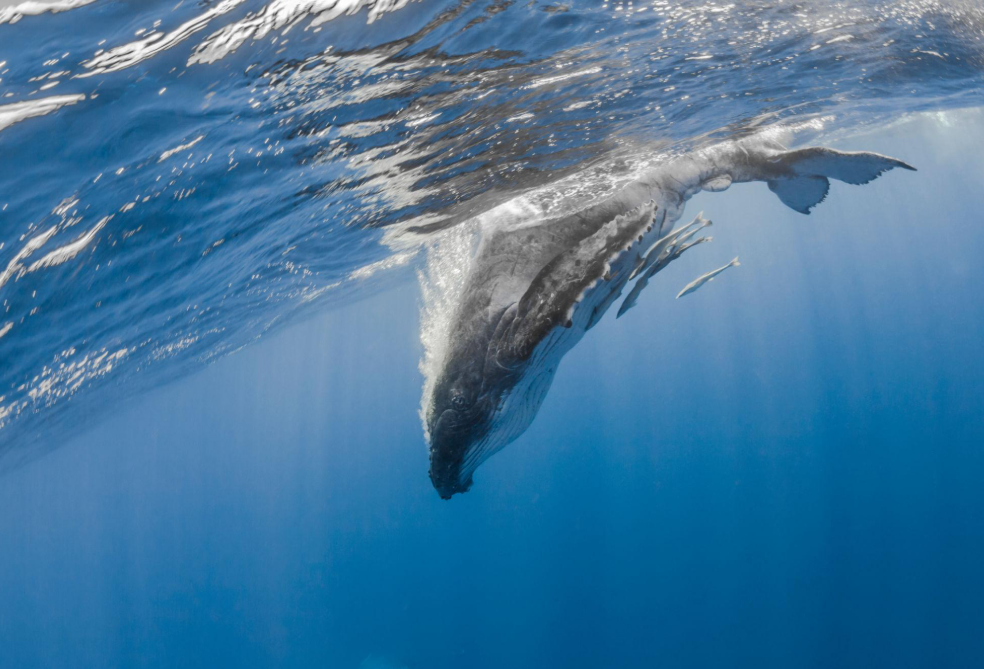
Discover how humpback whales breathe while swimming, how their blowholes work, and what their surfacing patterns reveal during whale watching in Samaná Bay.
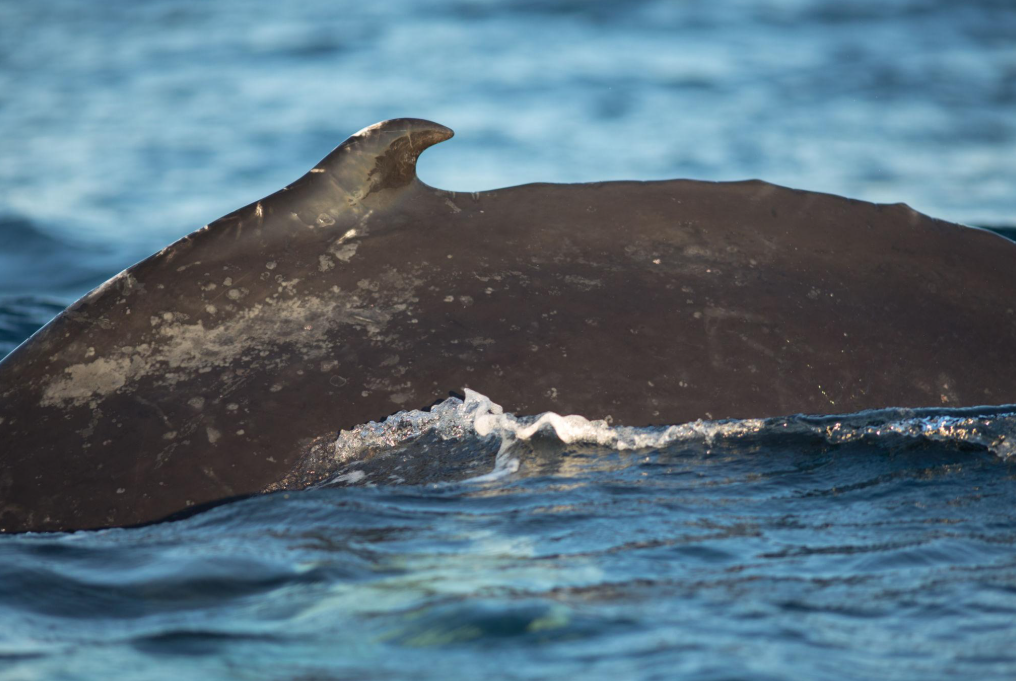
Find out how long humpback whales can stay underwater, why they surface to breathe, and what dive patterns whale watchers may observe in Samaná Bay.
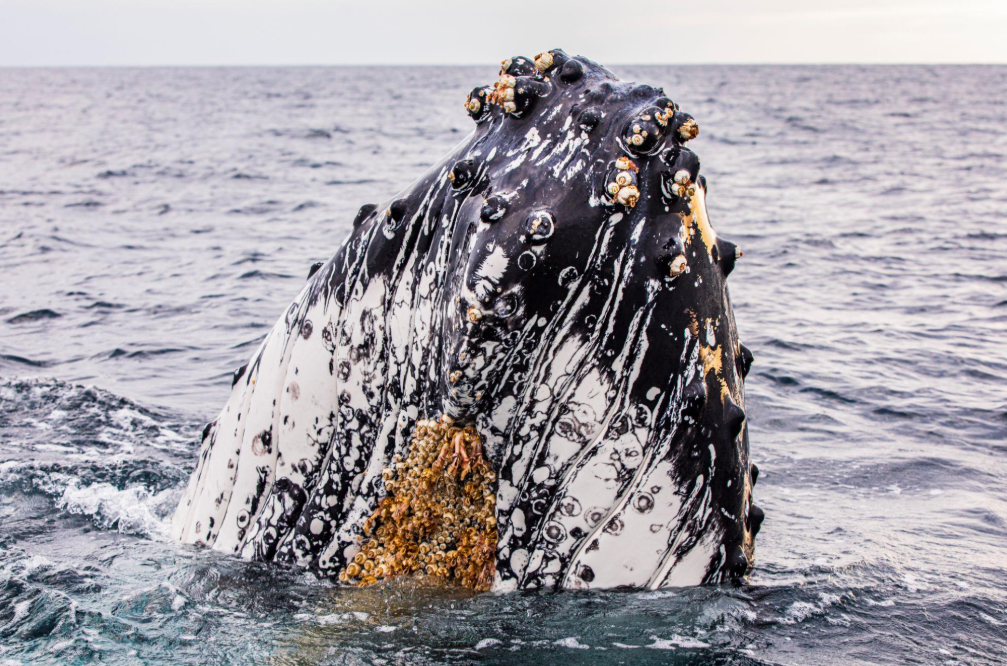
Learn how to recognize traveling, resting, and social behavior in humpback whales during a Samaná Bay whale-watching trip, with practical tips for responsible observation.
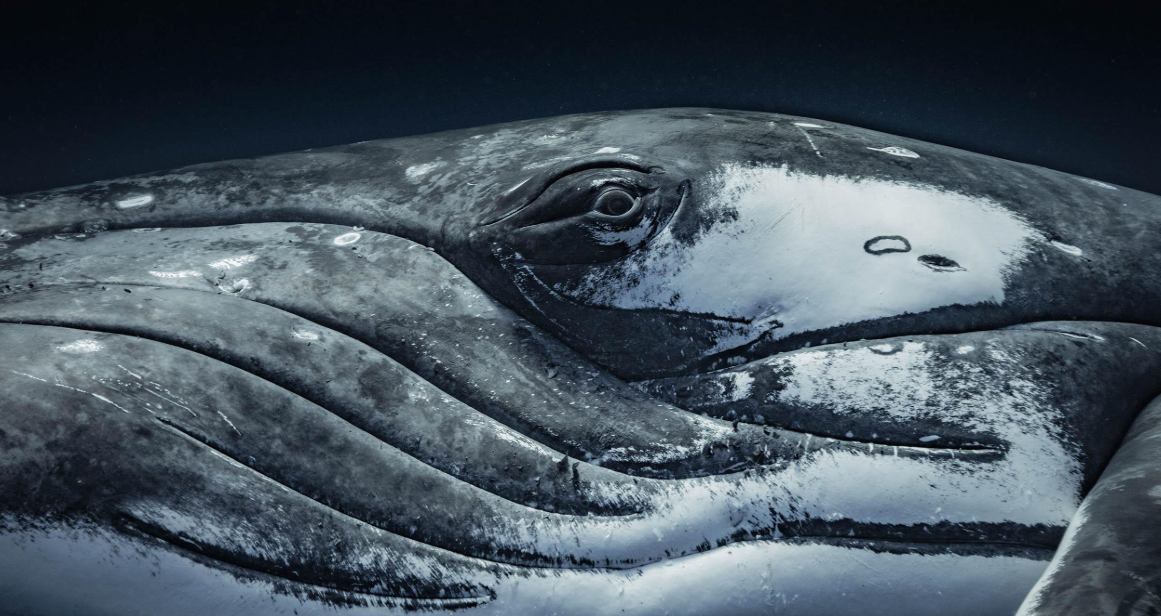
Discover why humpback whales slap their tails in Samaná Bay, what this behavior may mean, and how to observe it responsibly on a whale-watching tour.
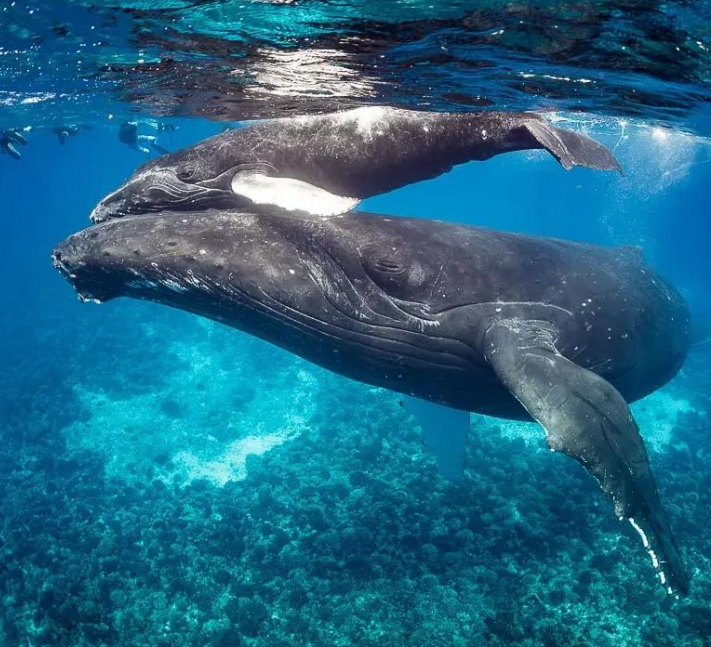
Discover why humpback whales breach in Samaná Bay, what this spectacular behavior may mean, and how to observe whale breaches responsibly.
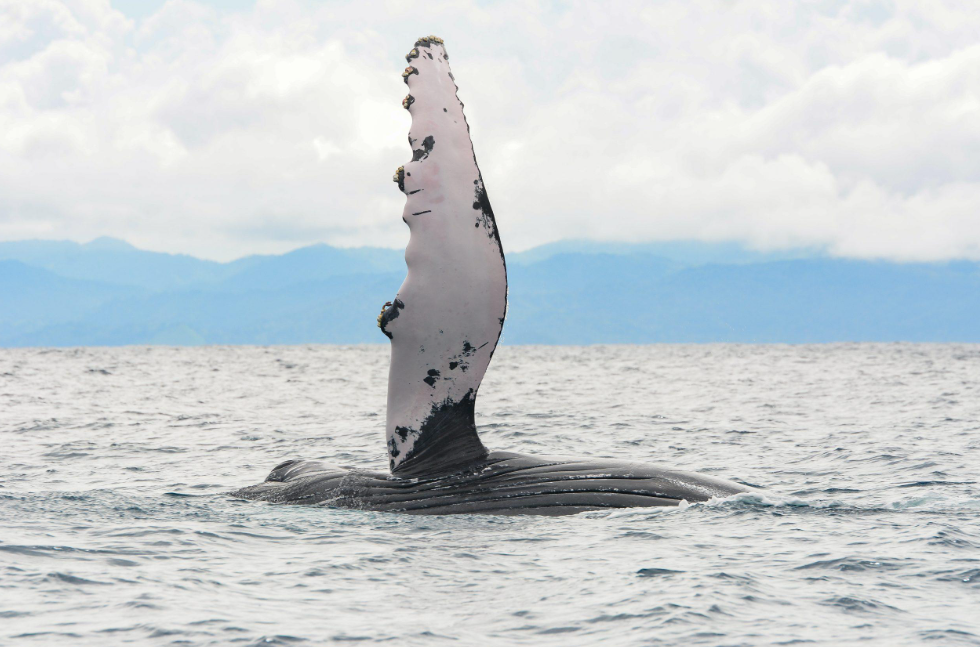
Learn what happens on a Samaná whale-watching tour, from check-in and boarding to spotting humpback whales and returning to shore.
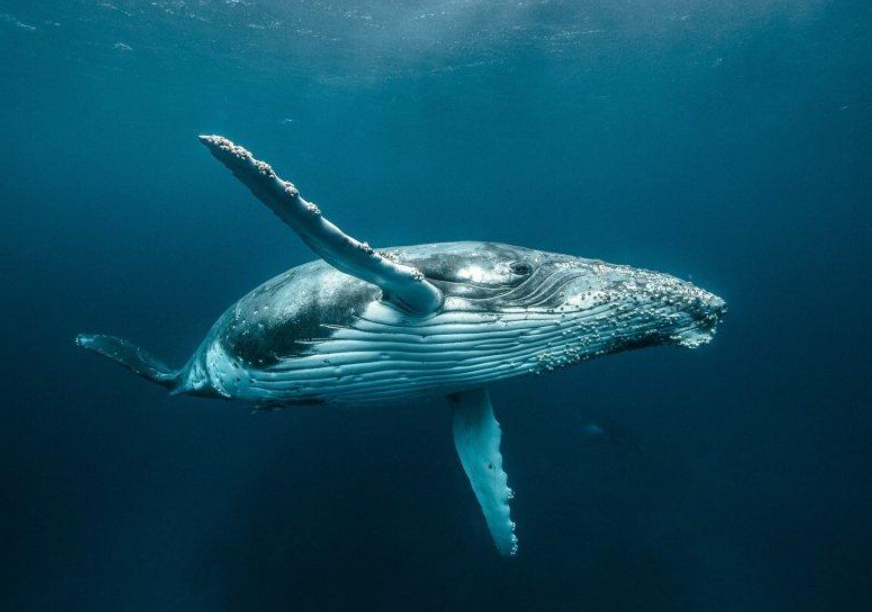
Compare whale-watching tours in Samaná Bay, including boat types, tour duration, safety, wildlife guidelines, and tips for choosing the right excursion.
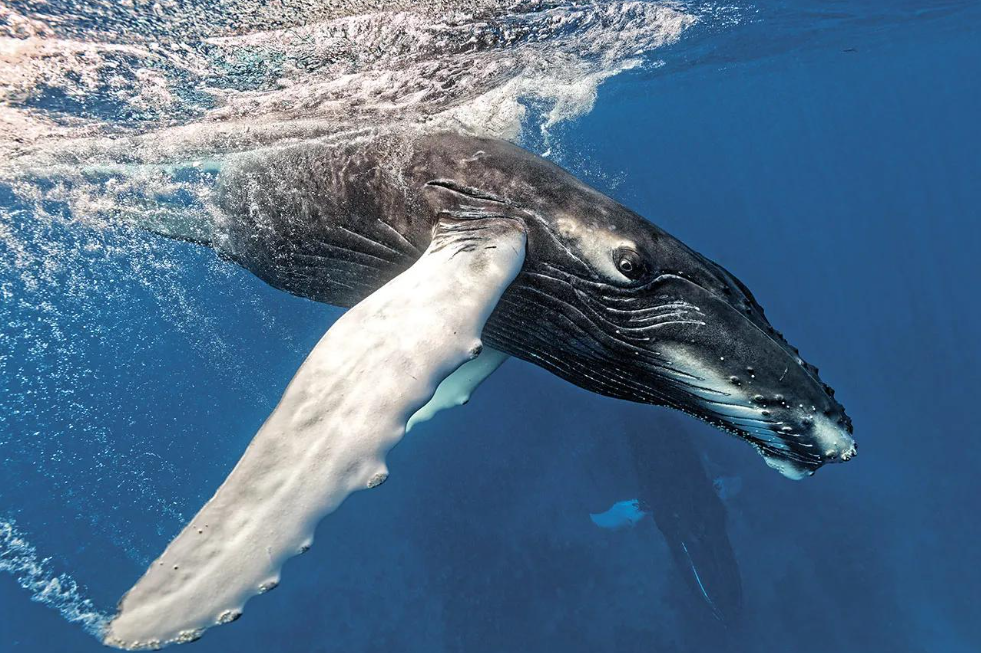
Discover authentic Samaná souvenirs, locally made crafts, Dominican gifts, and practical tips for shopping responsibly and supporting local artisans.
Plan a low-waste vacation in Samaná with reusable travel essentials, smarter food choices, responsible rubbish disposal, and practical sustainable travel tips.
Learn how to choose eco-friendly tours in Samaná by evaluating local expertise, wildlife protection, environmental practices, and booking transparency.
Discover responsible hiking in Samaná with practical tips on trail safety, footwear, hydration, wildlife protection, and eco-friendly travel.
Plan a multi-day Samaná nature trip with waterfalls, tropical beaches, mangroves, scenic walks, local food, and practical travel tips.
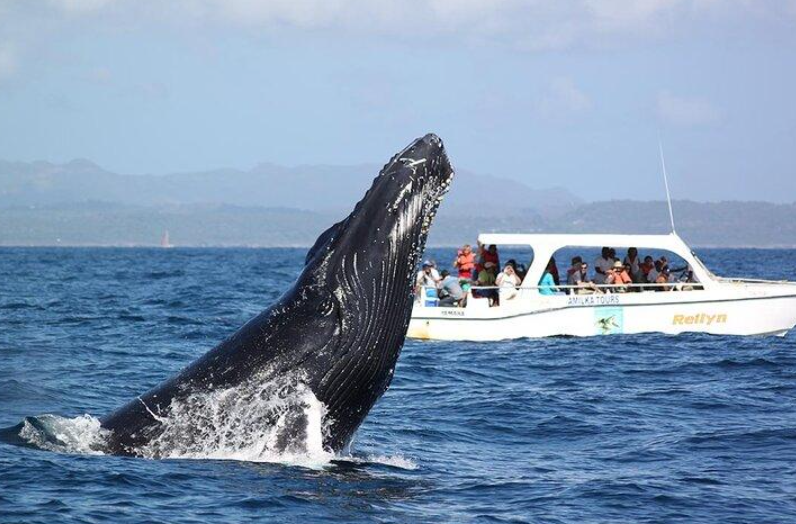
Discover how whale watching in Samaná can support local jobs, small businesses, cultural experiences, and responsible tourism in the Dominican Republic.
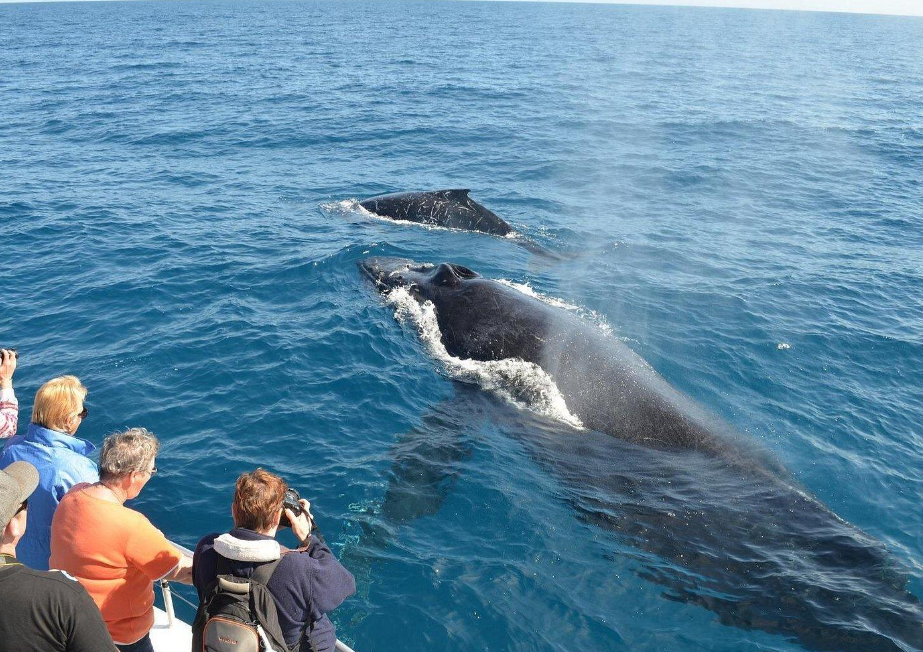
Explore how climate change may affect humpback whale migration, feeding grounds, breeding habitats, and seasonal whale watching in Samaná.
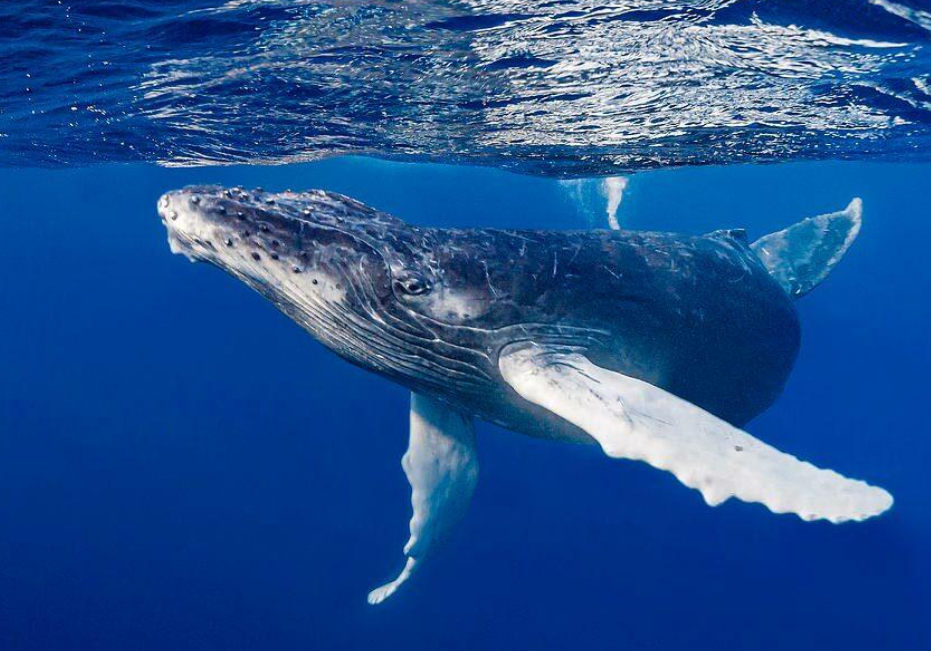
Discover why humpback whales become entangled in fishing gear, the risks they face, and how trained responders work to reduce harm to marine wildlife.
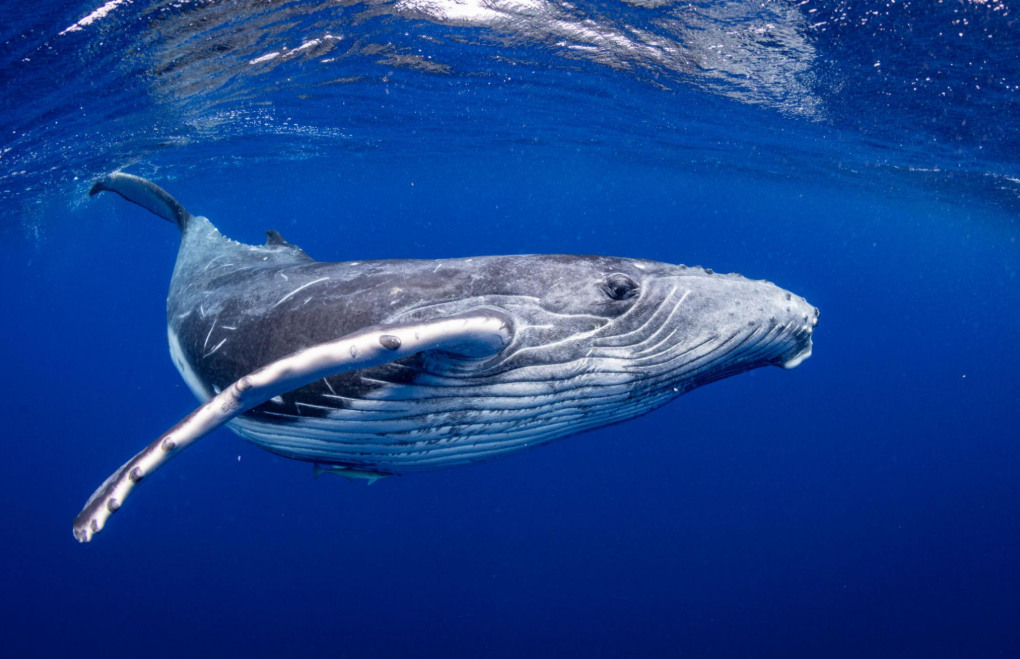
Learn how marine protected areas can safeguard humpback whale habitats, support calves, reduce human pressures, and promote responsible whale watching.
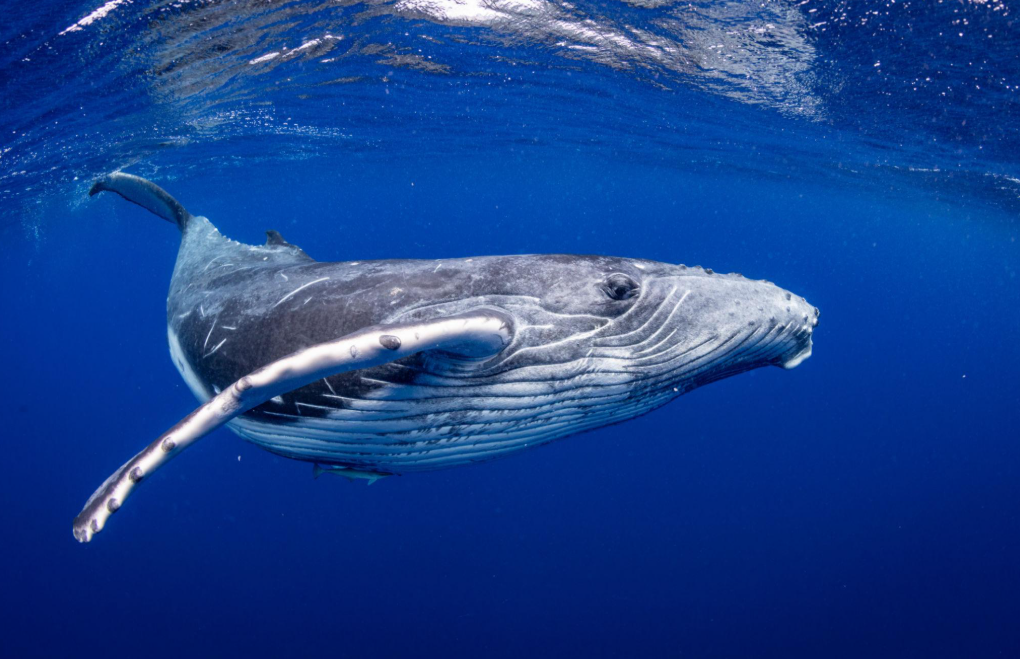
Learn how underwater noise from boats and other human activities can affect humpback whales, their communication, and responsible whale watching in Samaná.
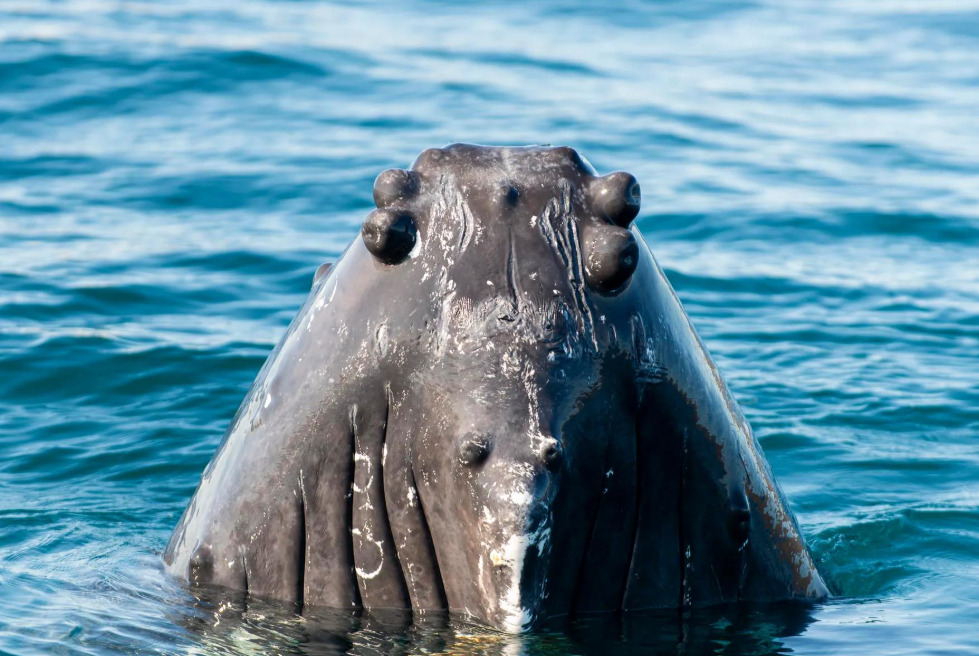
Explore how continental shelves, underwater slopes, and seafloor features influence marine ecosystems and the habitats used by humpback whales.
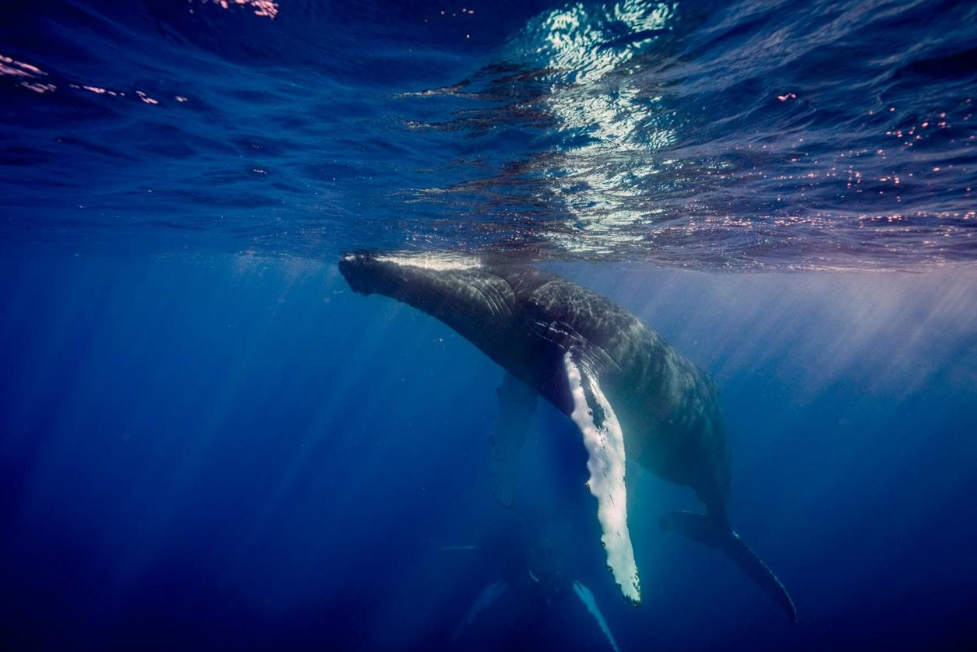
Discover how humpback whale sightings are recorded, what details observers document, and how sighting reports can support marine research and conservation in Samaná.
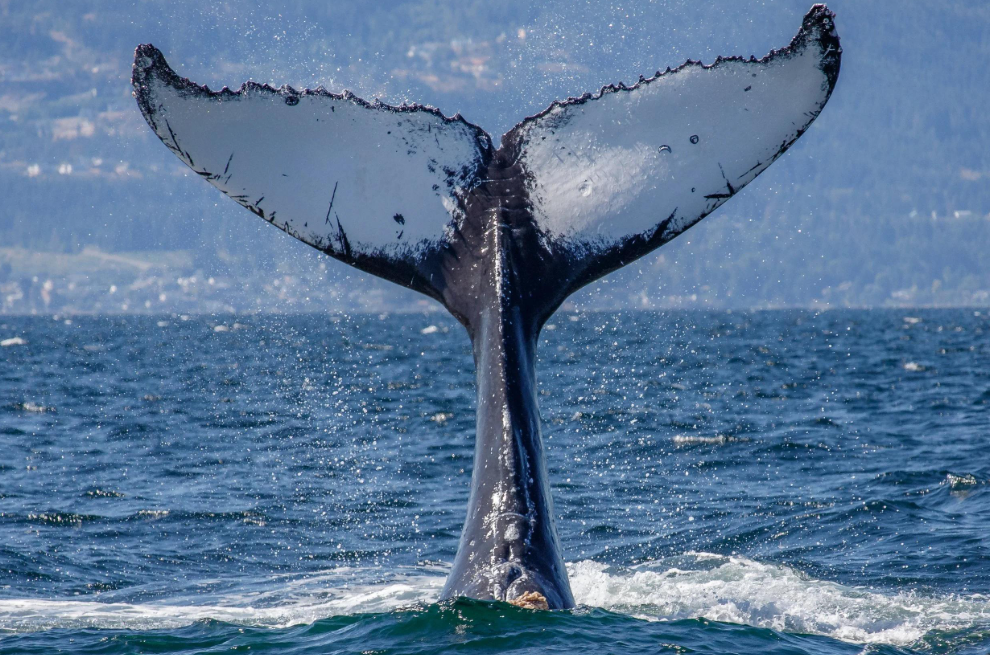
Learn how humpback whales use coastal waters and sheltered bays, how these habitats differ, and why Samaná Bay is important during whale season.
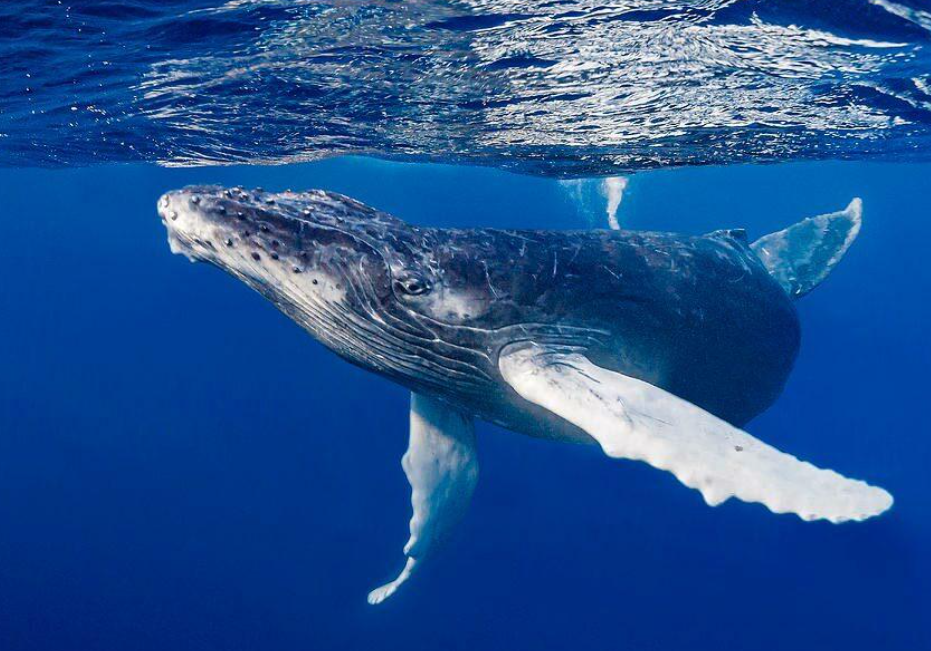
Discover how changing ocean temperatures affect humpback whale habitats, feeding grounds, migration patterns, and seasonal visits to Samaná Bay.
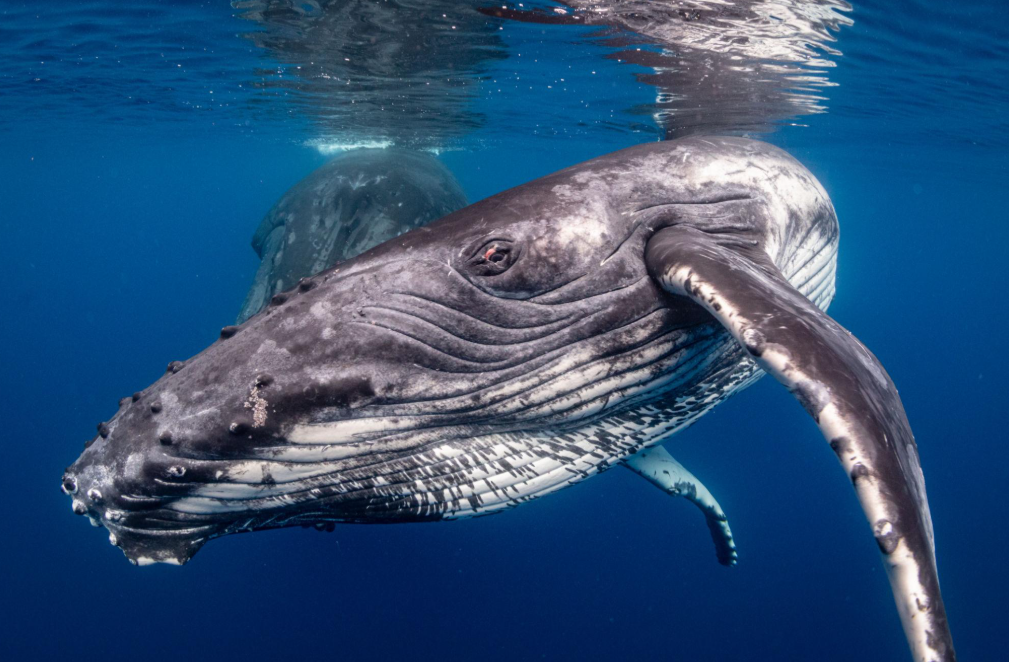
Learn how humpback whales get injured, how their bodies may recover, and how scientists monitor whale health and protect these marine mammals.
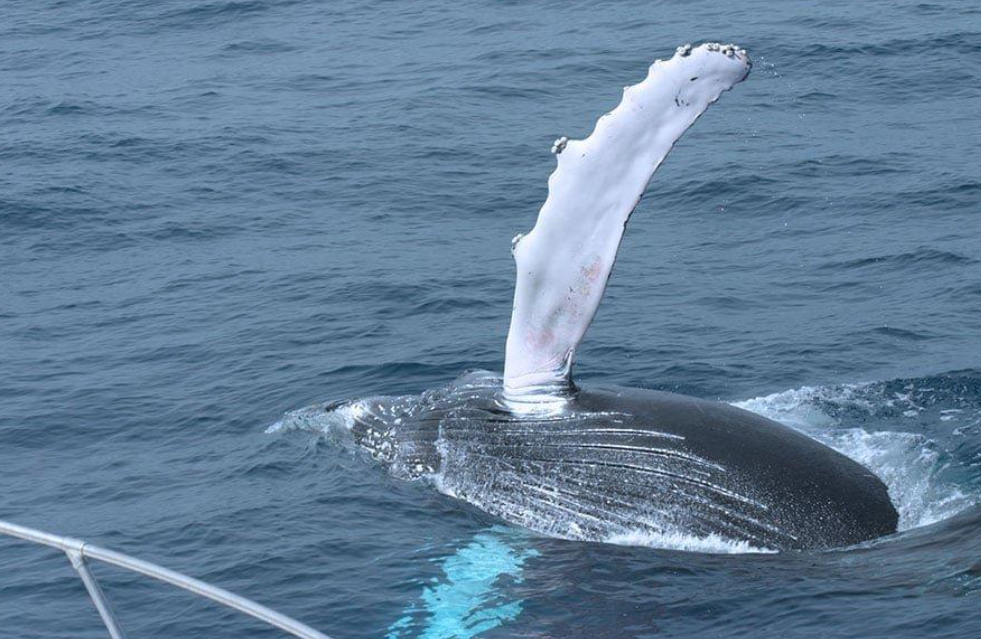
Explore how humpback whale skin renews itself, why skin condition matters, and what scientists can learn from observing whales in Samaná Bay.
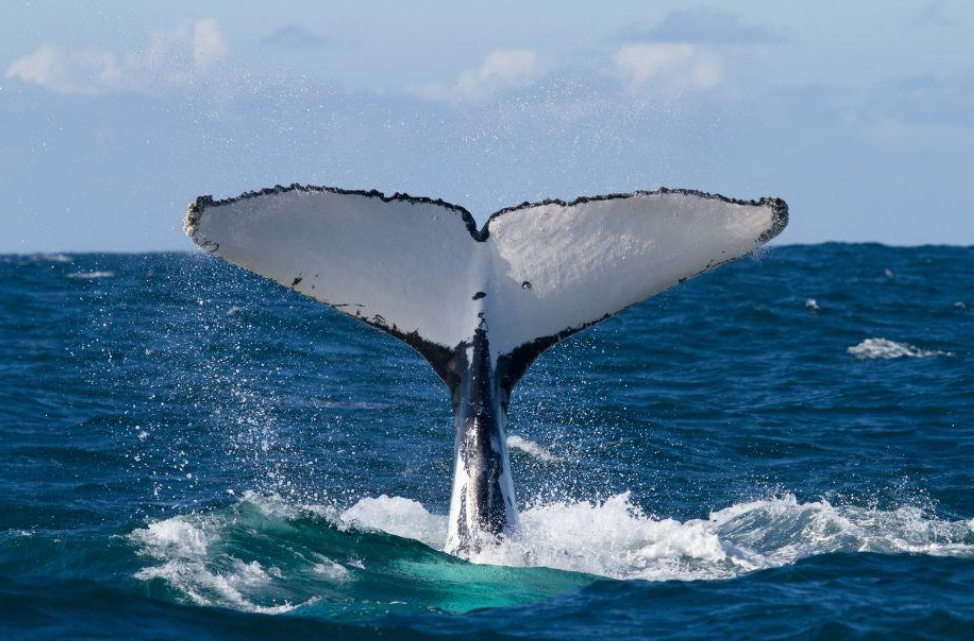
Discover why barnacles and whale lice live on humpback whales, where these organisms are found, and what they reveal about whale biology.
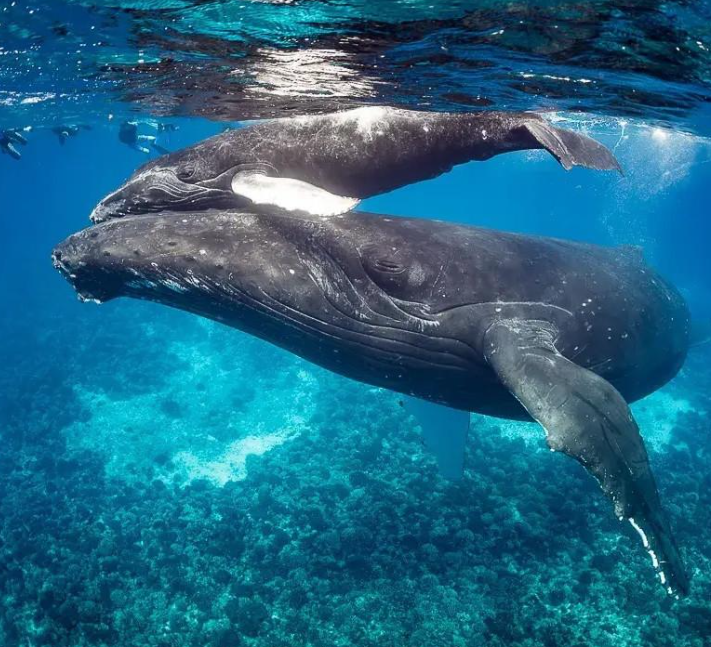
Learn how humpback whales may use touch during physical interactions, how their bodies respond to contact, and what visitors can learn in Samaná Bay.
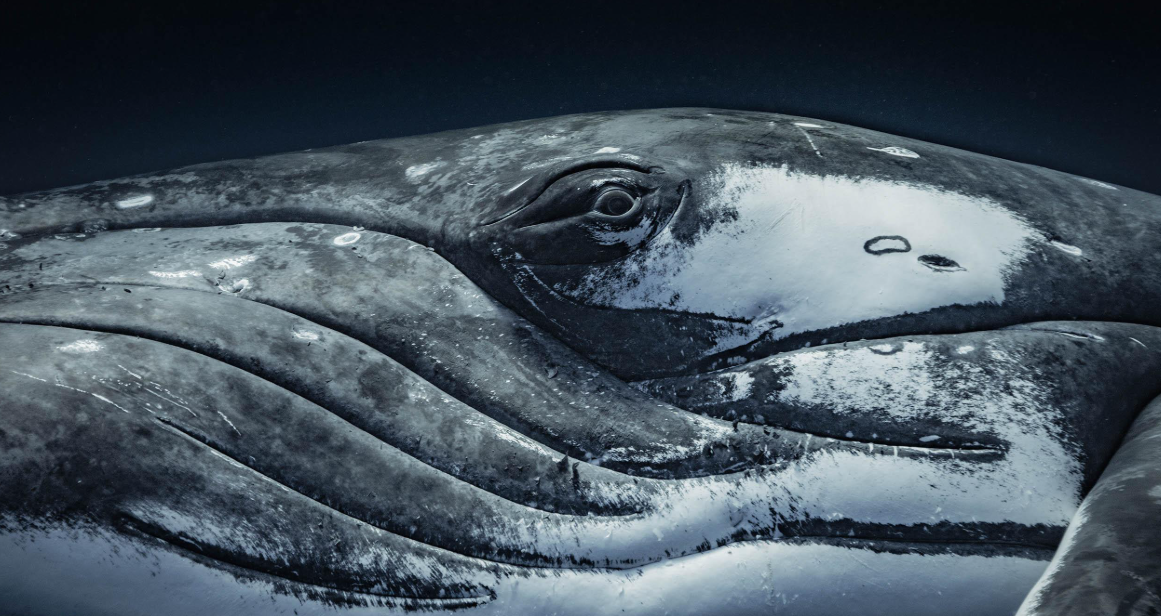
Discover how humpback whale pectoral fins help with steering, maneuvering, and movement, and learn what visitors can observe in Samaná Bay.
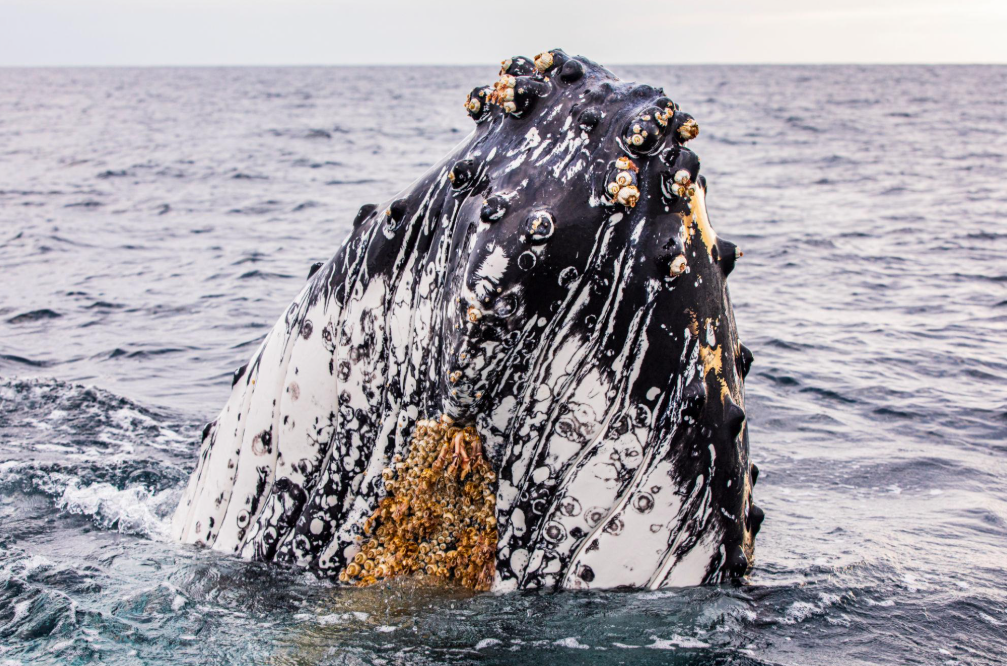
Discover why humpback whales gather in groups in Samaná Bay, from mother-calf pairs to temporary social gatherings during breeding season.
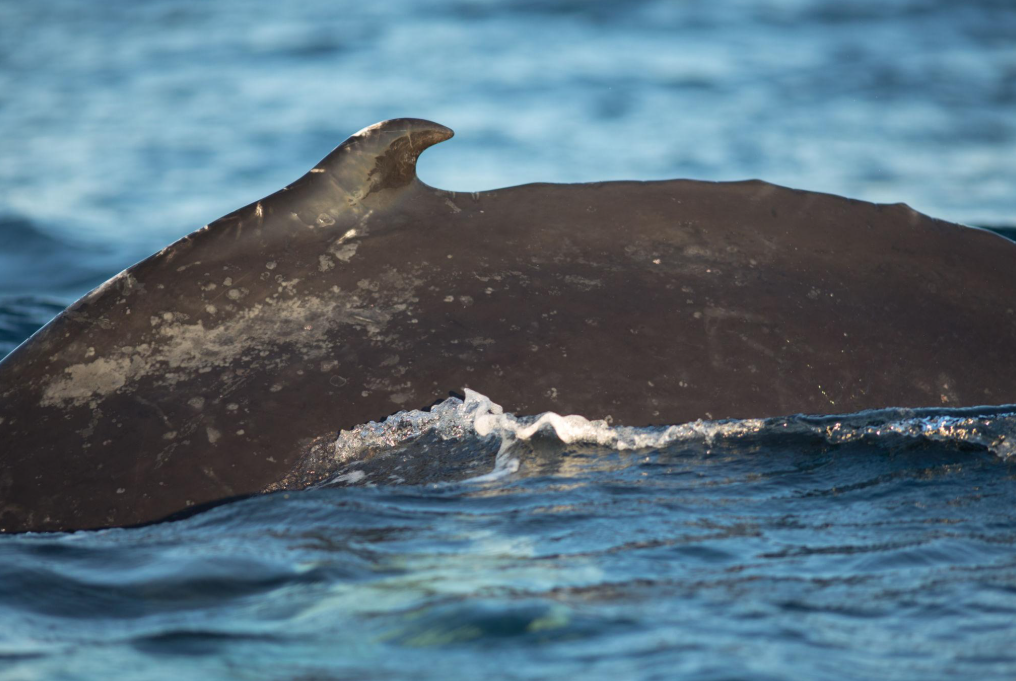
Learn how humpback whales may navigate vast oceans using environmental cues, memory, and other sensory information during their journeys to Samaná Bay.
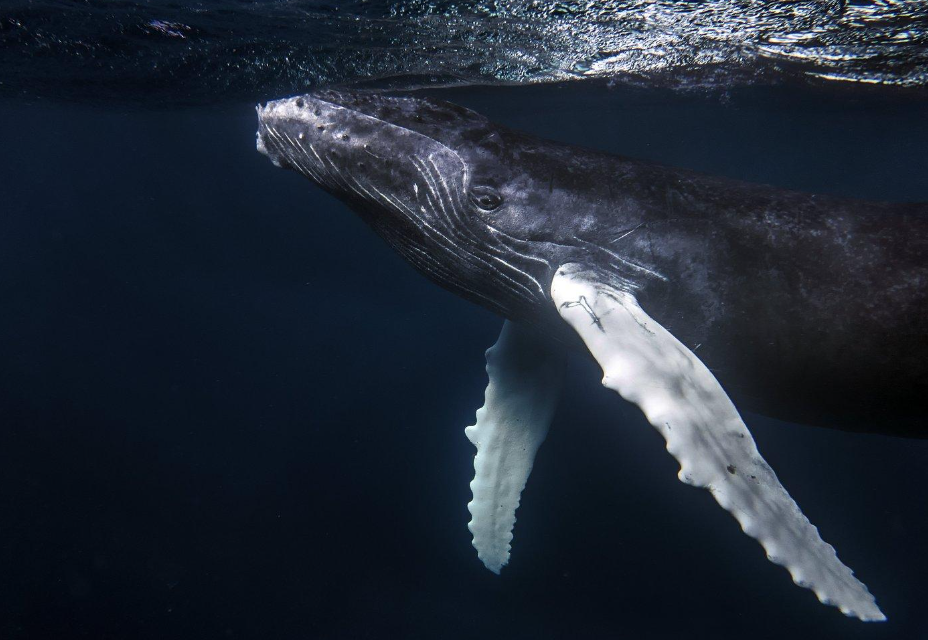
Discover how humpback whales sleep underwater, why they must surface to breathe, and what their resting behavior means for whale watching in Samaná Bay.
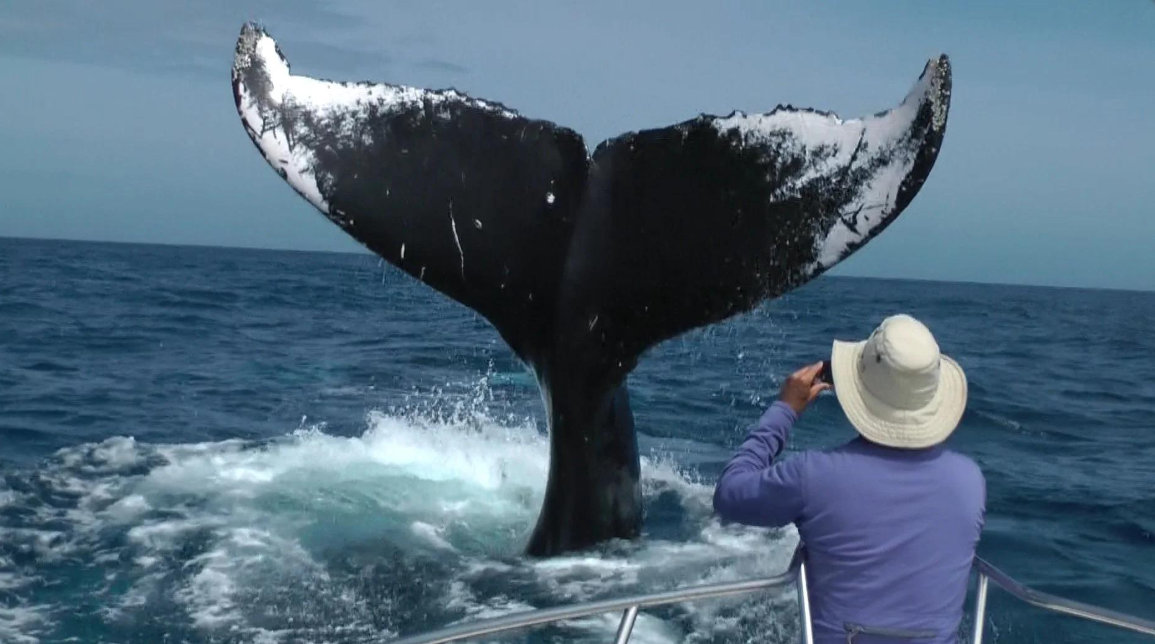
Discover how humpback whale skin renews, why barnacles and whale lice appear, and what these natural features reveal during whale watching in Samaná Bay.
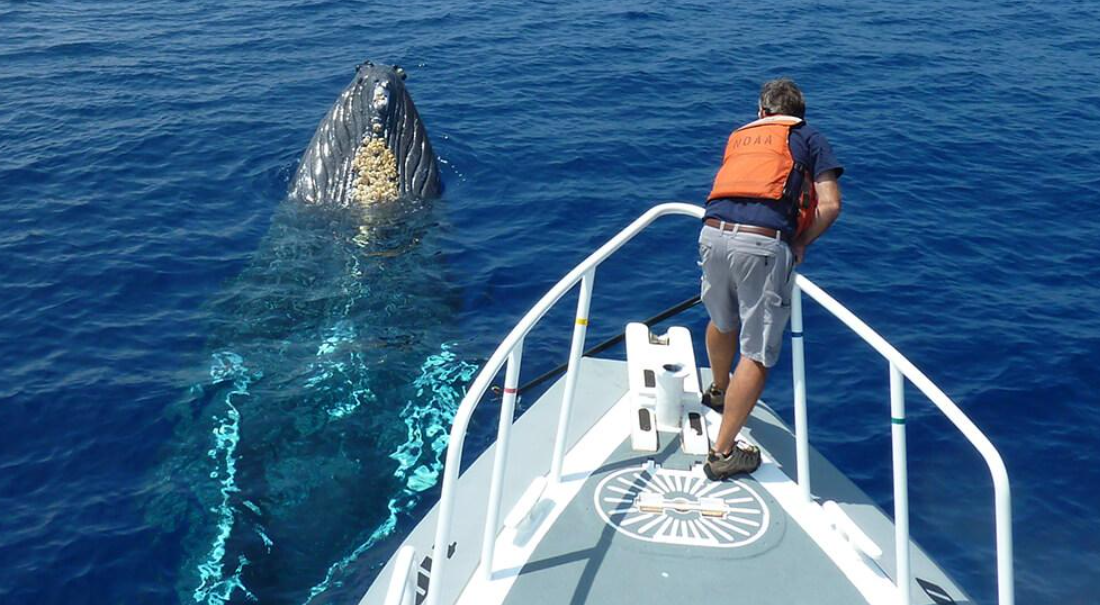
Discover how humpback whales build fat reserves, use blubber for insulation and energy, and prepare for long migrations between feeding grounds and Samaná Bay.
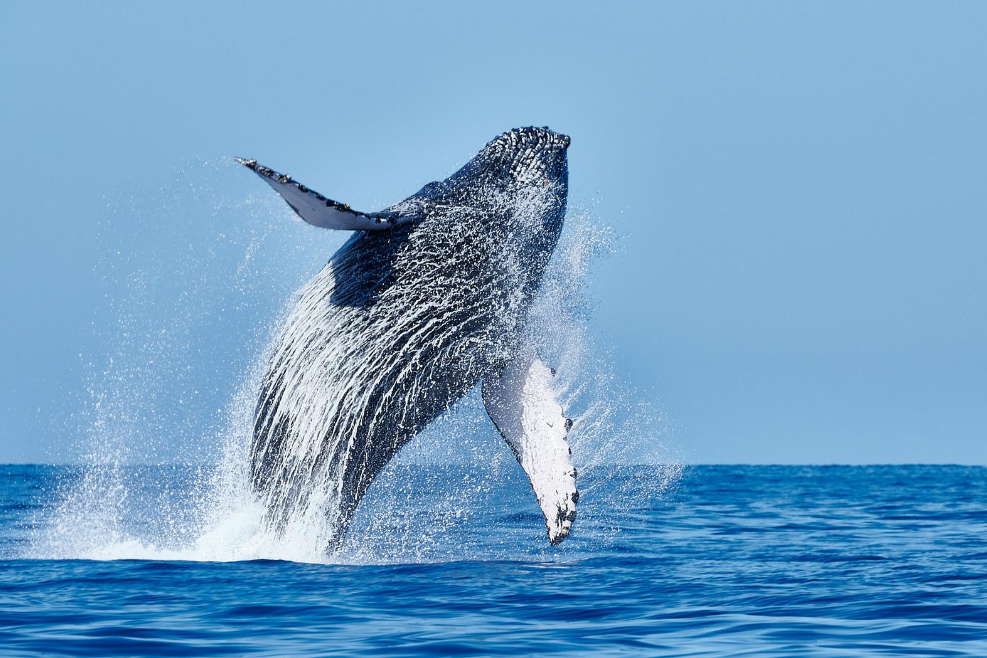
Learn how humpback whale baleen works, how these marine mammals filter tiny prey from seawater, and why this feeding adaptation is essential to their survival.
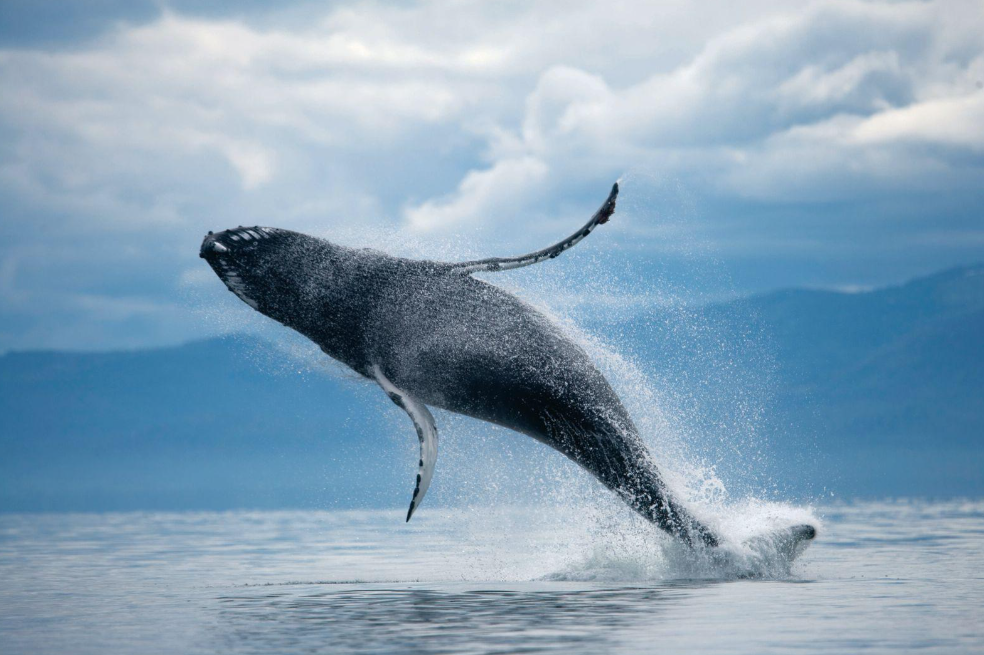
Discover how humpback whale pectoral fins help with steering, maneuvering, and feeding, and learn what makes these unusually long fins special in Samaná Bay.
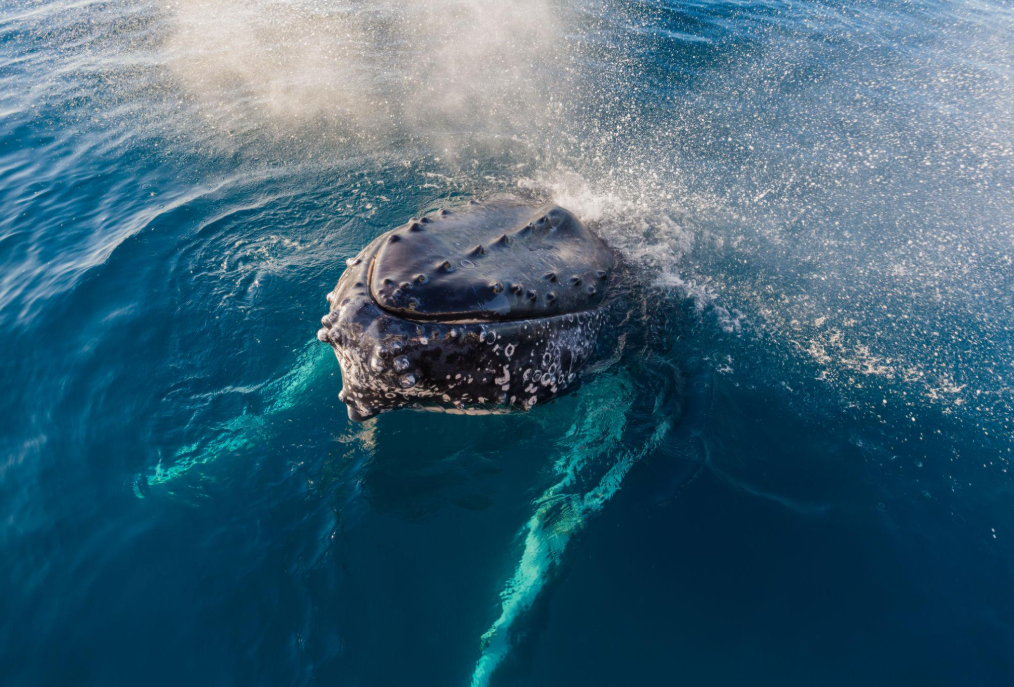
Discover what a humpback whale’s tail fluke reveals, from its shape and distinctive markings to how researchers use fluke photographs to study whales in Samaná Bay.
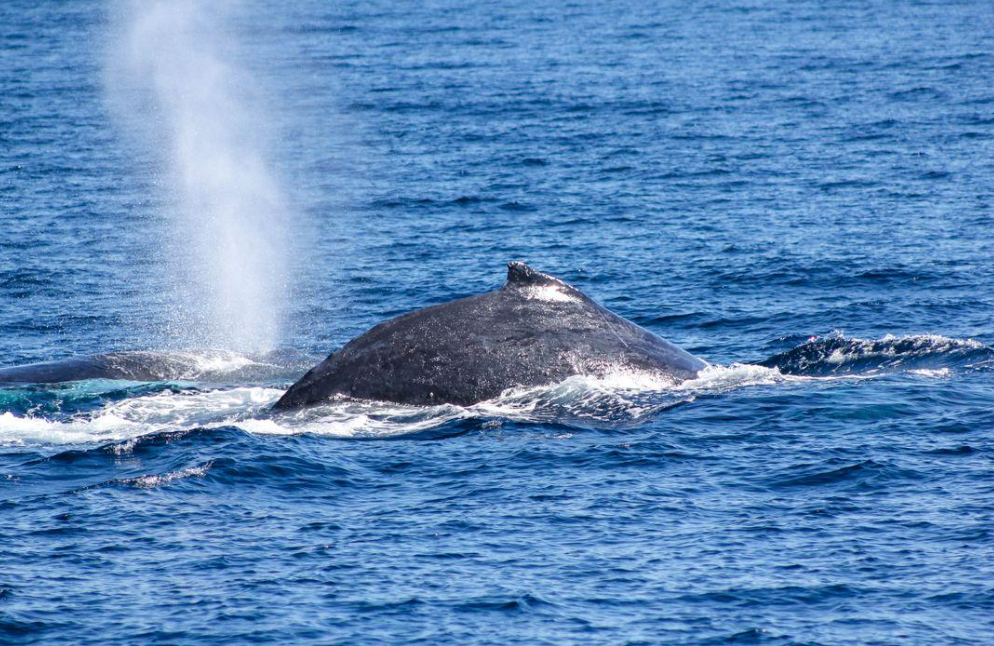
Learn what to expect from a Samaná whale-watching tour briefing, including common instructions, wildlife-viewing expectations, boat updates, and useful questions to ask your guide.
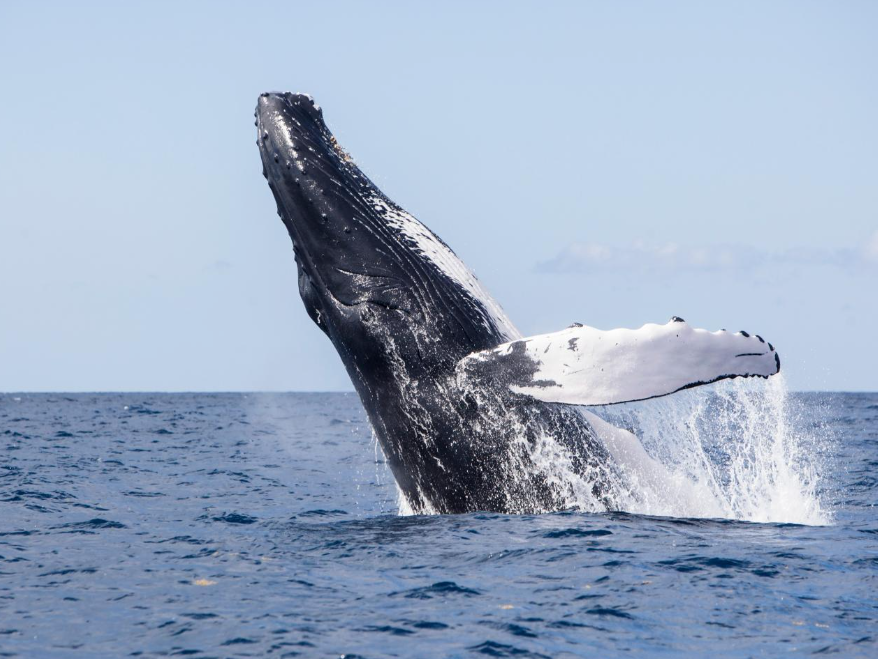
Learn how to read a Samaná Bay whale-watching map, understand coastal features and map symbols, and plan your Dominican Republic wildlife excursion